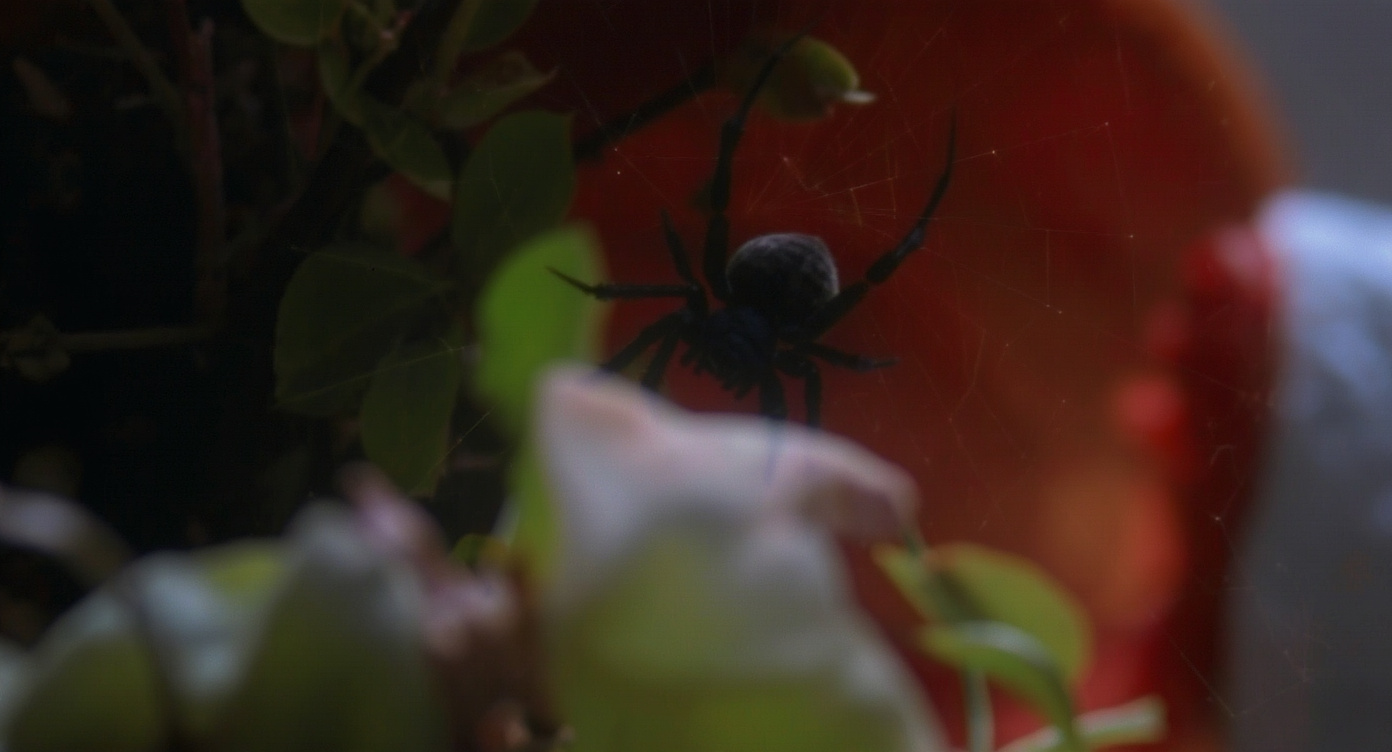
Archaeologists have described a new species of spider that disguises itself as a victim infected by a parasitic fungus in order to avoid predators. This discovery broadens our understanding of mimicry in the animal kingdom.
Scientists have discovered how spiders of the Clubiona genus produce unique antifreeze proteins that allow them to remain active during the winter. These proteins prevent bodily fluids from freezing and could have applications in biotechnology, agriculture, and medicine.
Scientists have discovered that female black widows release a special pheromone that attracts males and helps them choose less aggressive mates. This finding sheds light on the subtle mechanisms of chemical communication and mating behavior in spiders.

 Cursus