

Pheromones of Black Widows: How Spiders Choose Their Mates
Scientists have discovered that female black widows release a special pheromone that attracts males and helps them choose less aggressive mates. This finding sheds light on the subtle mechanisms of chemical communication and mating behavior in spiders.
Cursus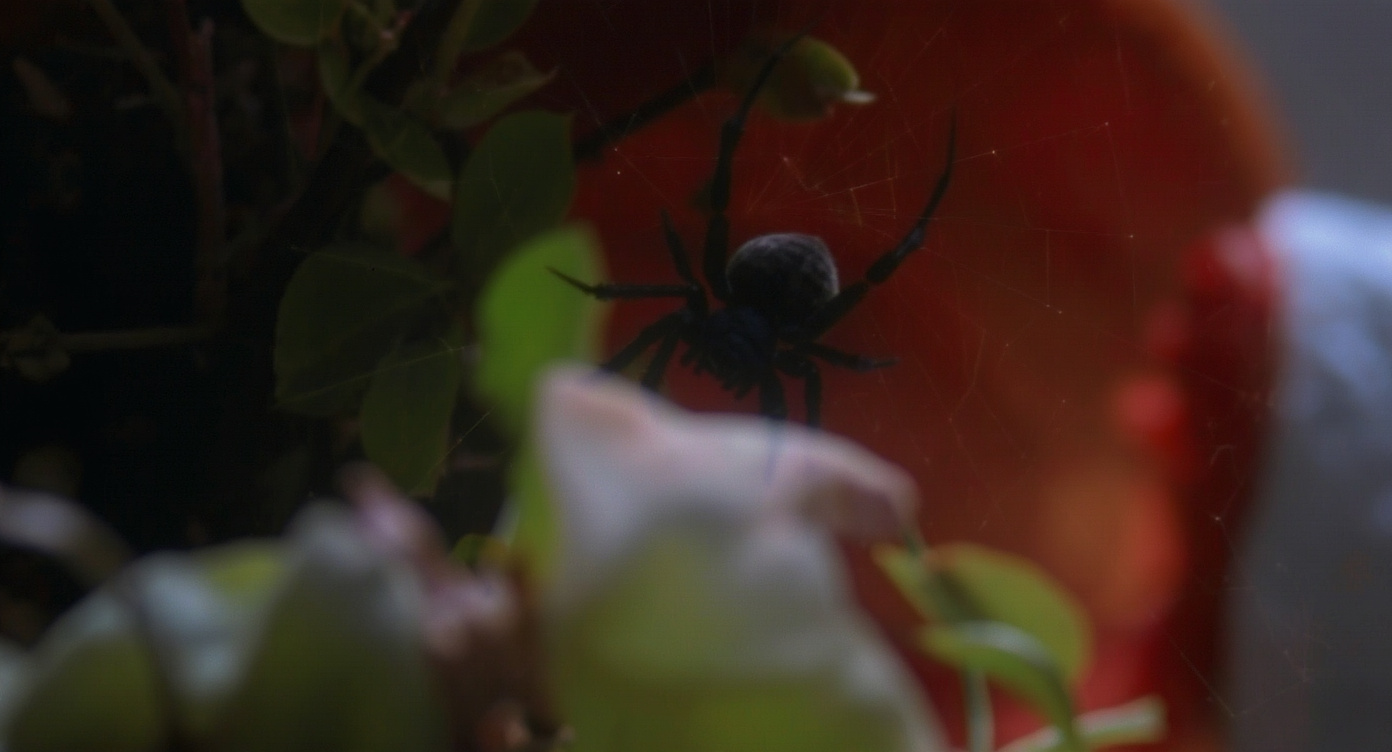
Male spiders of the black widow genus often fall victim to hungry females after mating. To attract a mate and avoid being eaten, males must resort to elaborate strategies. Recently, scientists identified a key pheromone that females release in varying amounts to lure males.
How Females Attract Males
American biologists studied how females of the species Latrodectus hesperus (western black widow) attract males. Their findings were published in the Journal of Chemical Ecology and highlighted in a press release from the University of Greifswald in Germany.
Unlike many other species where females almost always consume males after mating, in Latrodectus hesperus this only happens if the female is hungry. Moreover, experienced males can choose well-fed females to increase their chances of survival. To do this, they carefully examine the female’s web, analyzing its chemical signals.
The Role of Pheromones in Communication
Until recently, the details of chemical communication between males and females remained unclear. New research has shown that females release contact pheromones—substances that attract the opposite sex—throughout the year, not just during the breeding season as is common in many insects.
The amount of pheromones in the web changes: as the mating season approaches, their concentration increases, while at other times, residual pheromones and small new portions continue to attract males to the females’ habitats. For humans, these substances have a scent reminiscent of unwashed feet.
A Key Component of Spider Silk
Researchers discovered that the main component of the “female” web that attracts males is N-3-methylbutanoyl-O-methylpropanoyl-L-serine. This compound is effective both on its own and in combination with the methyl ester of the same substance.
To test their conclusions, scientists synthesized these compounds and presented them to males. In response, the spiders began courtship behaviors: shaking their abdomens to create high-frequency vibrations. However, natural web samples still elicited greater interest from males, suggesting the presence of additional pheromones in lower concentrations.
Mating Behavior and Risks for Males
In the wild, males create similar abdominal vibrations when they see a female, lasting from 10 minutes to two hours, and may damage parts of her web to limit her ability to escape. If the female accepts the courtship, she begins to move her abdomen rapidly, after which the male covers her with silk and mating occurs.
This process can be so vigorous that the male sometimes loses parts of his reproductive organs. In such cases, he dies, and if the female is hungry, she consumes his remains or part of them. If the male survives and the female is well-fed, she rarely shows aggression toward him.