A new study has found that in most songbird species, males tend to live longer than females, especially among migratory species. Researchers link these differences to physical exertion and social dominance.
The study found that the aggressive mating behavior of male eastern mosquitofish affects food chains and ecosystem structure by reducing zooplankton populations and altering the balance of algae. These behavioral traits can significantly impact the functioning of freshwater bodies.
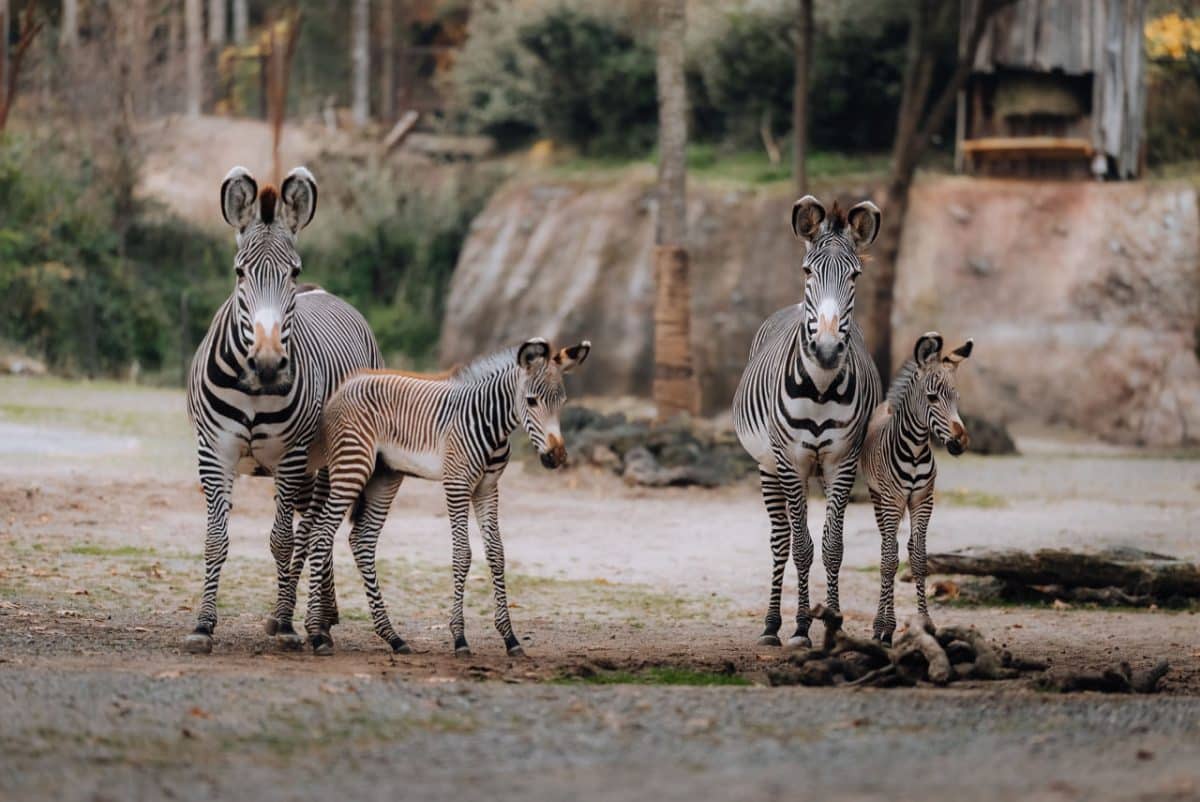
A study has shown that mammal populations in European and North American zoos are aging, which reduces the number of individuals capable of breeding and poses a threat to the conservation of rare species.
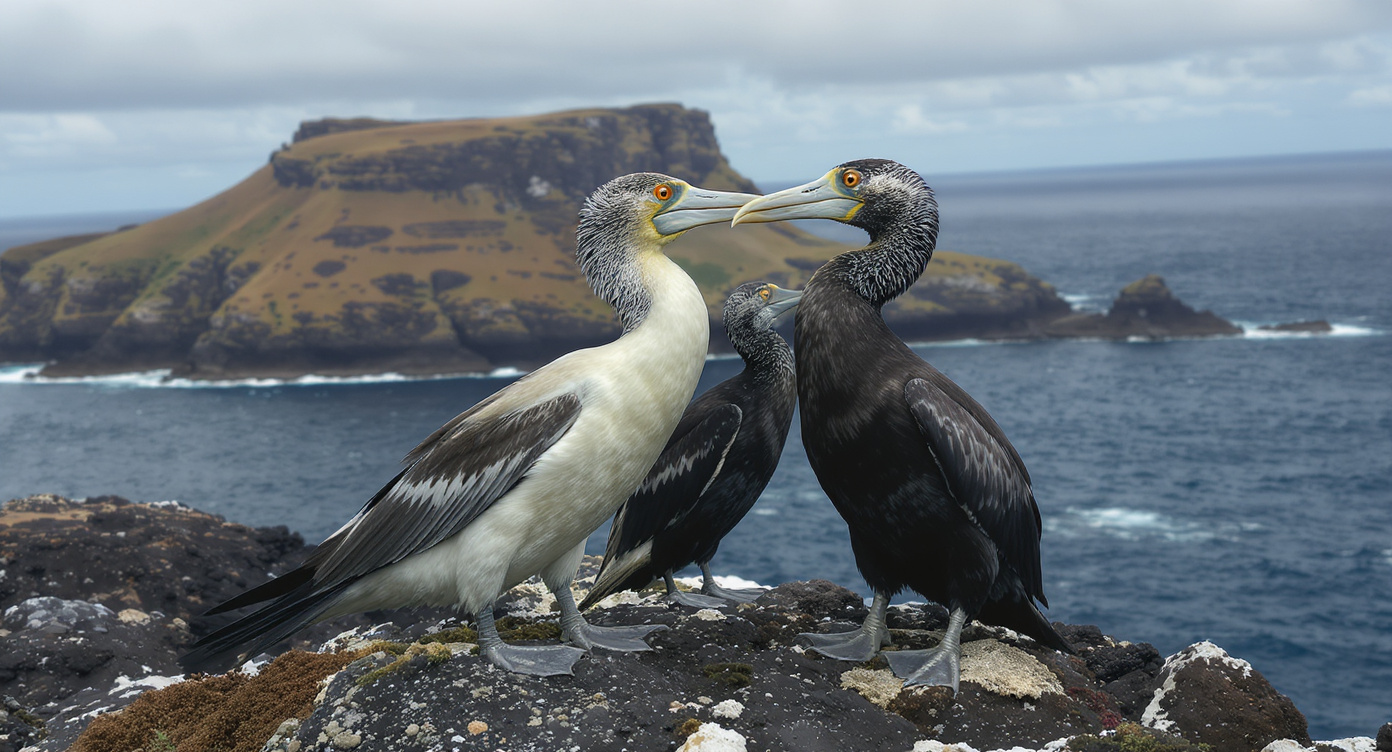
A study has shown that female Nazca boobies enjoy sexual freedom and openly mate with different males, but they only produce offspring with their regular partners, carefully controlling paternity through a strict meeting schedule. This strategy allows them to select the best mates for future breeding seasons.
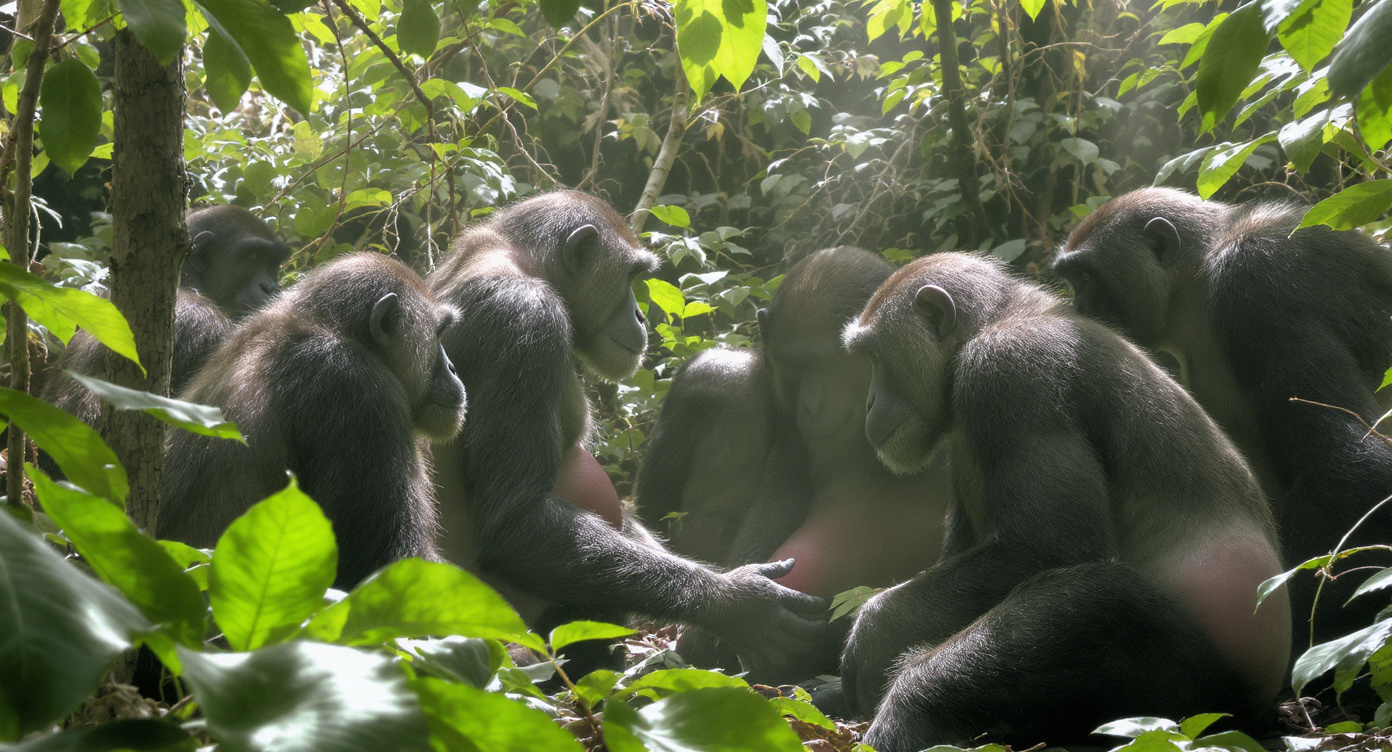
Male bonobos are able to identify periods of peak fertility in females by observing the age of their offspring and changes in external features, even when the signals are ambiguous. This ability allows them to choose the optimal time for mating.
Scientists have discovered that female black widows release a special pheromone that attracts males and helps them choose less aggressive mates. This finding sheds light on the subtle mechanisms of chemical communication and mating behavior in spiders.

 Cursus