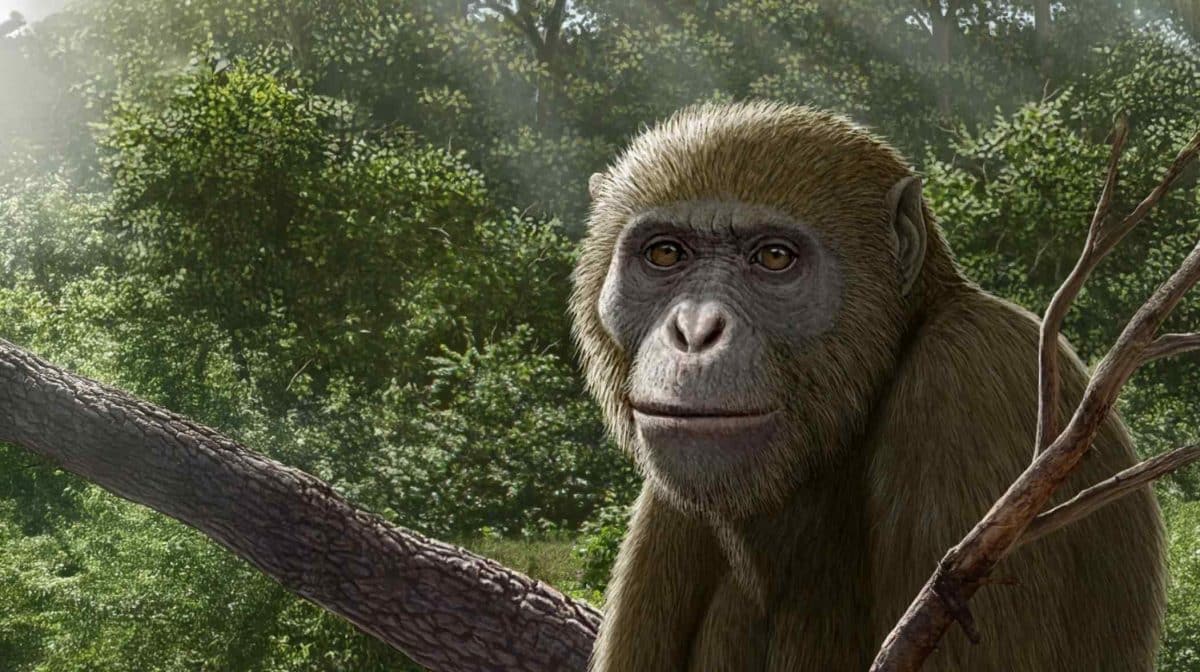
A new discovery in Egypt has cast doubt on previous ideas about the origins of apes: the ancient primate that was found appears to be closer to the common ancestor of humans and modern apes than the East African species. This finding could change our understanding of the geographic history of primate evolution.
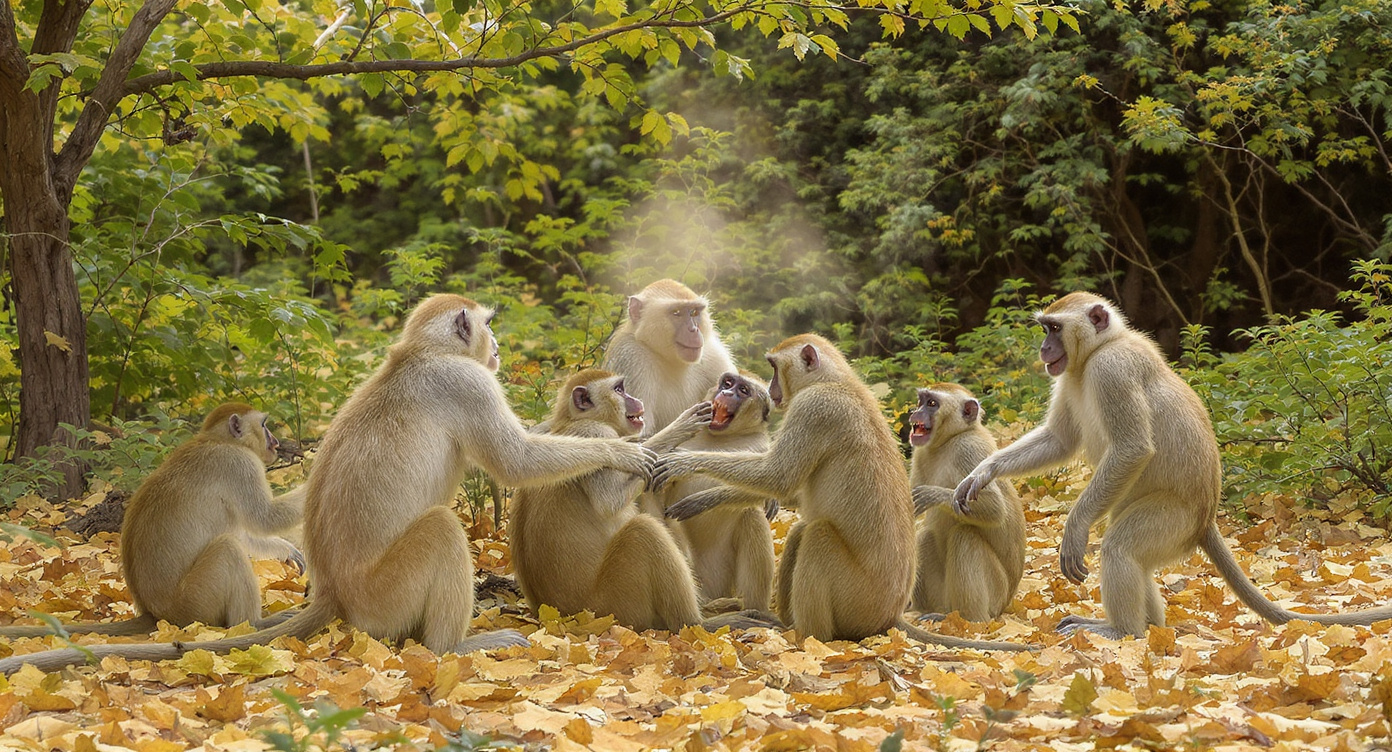
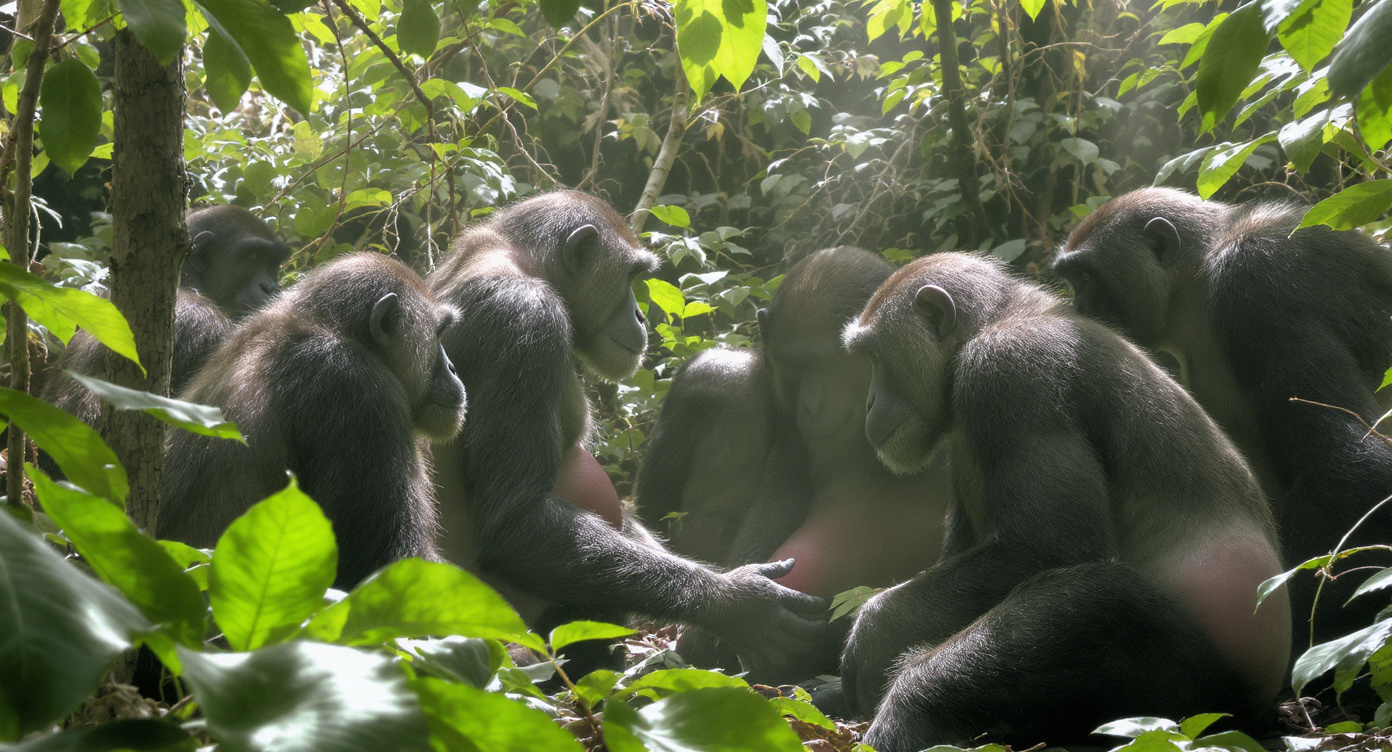
A new study has shown that adult primates’ tendency to engage in play is determined not by their physical characteristics, but by the social structure of their group: play persists where equality and tolerance prevail. In hierarchical societies, such interactions disappear because the risks outweigh the potential benefits.
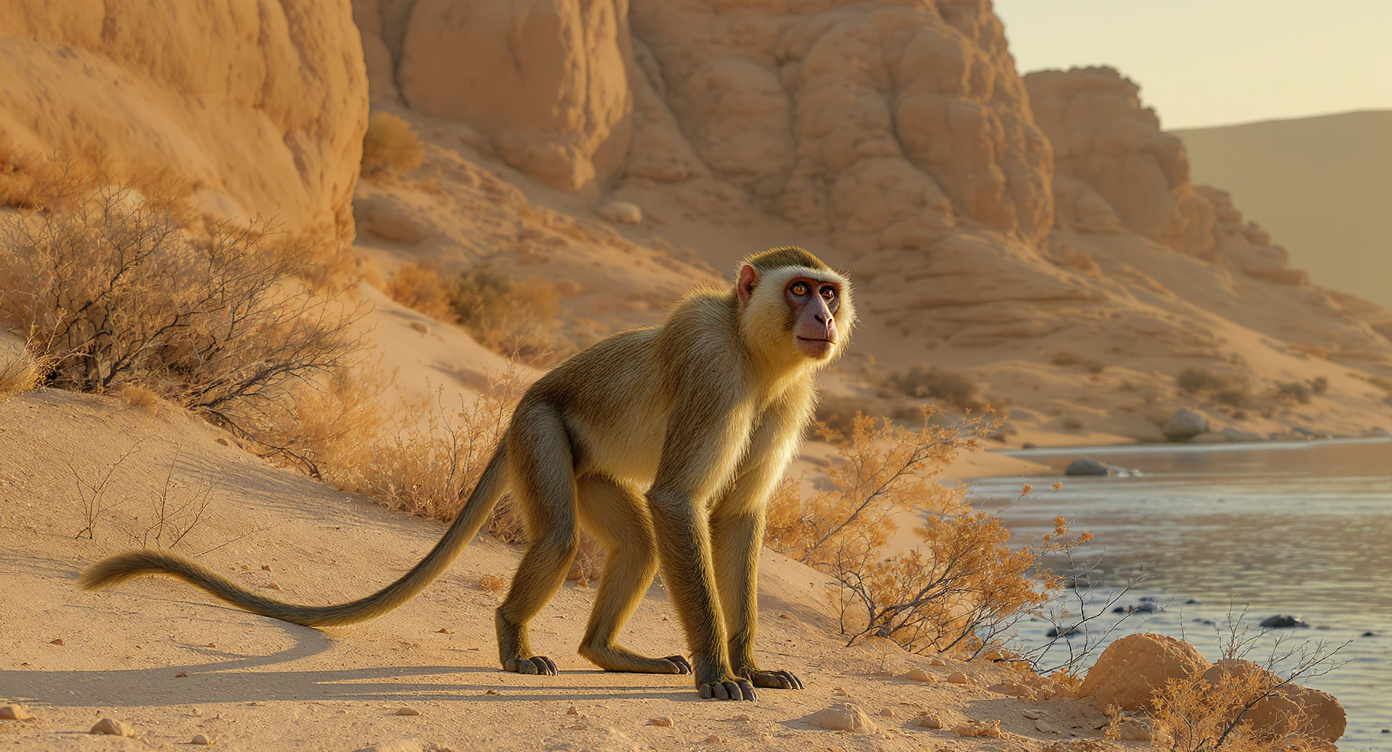
An international team of scientists has discovered fossils of the ancient primate Masripithecus moghraensis in Egypt, a species closely related to the ancestors of modern apes. This discovery could reshape our understanding of the geography of their evolution, highlighting the significant role of North Africa.
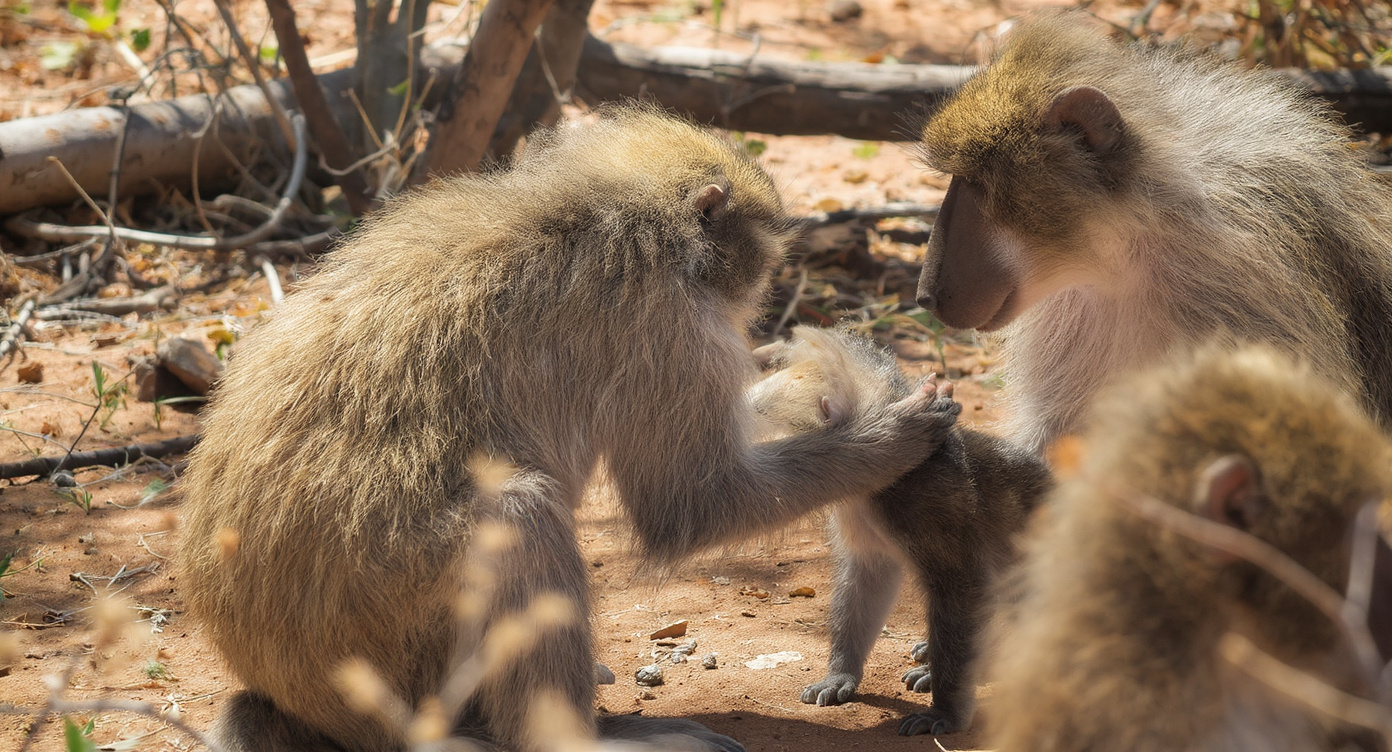
A new study has shown that baboons in the wild display jealousy similar to that of humans: older offspring often interrupt interactions between their mothers and younger siblings, not for their own benefit, but to disrupt their closeness. These findings support the idea that complex emotions emerged in primates long before humans appeared.
A new study has shown that gut bacteria from primates with large brains can activate genes in rodents related to energy supply and cognitive functions, which may have played a role in the evolution of intelligence.
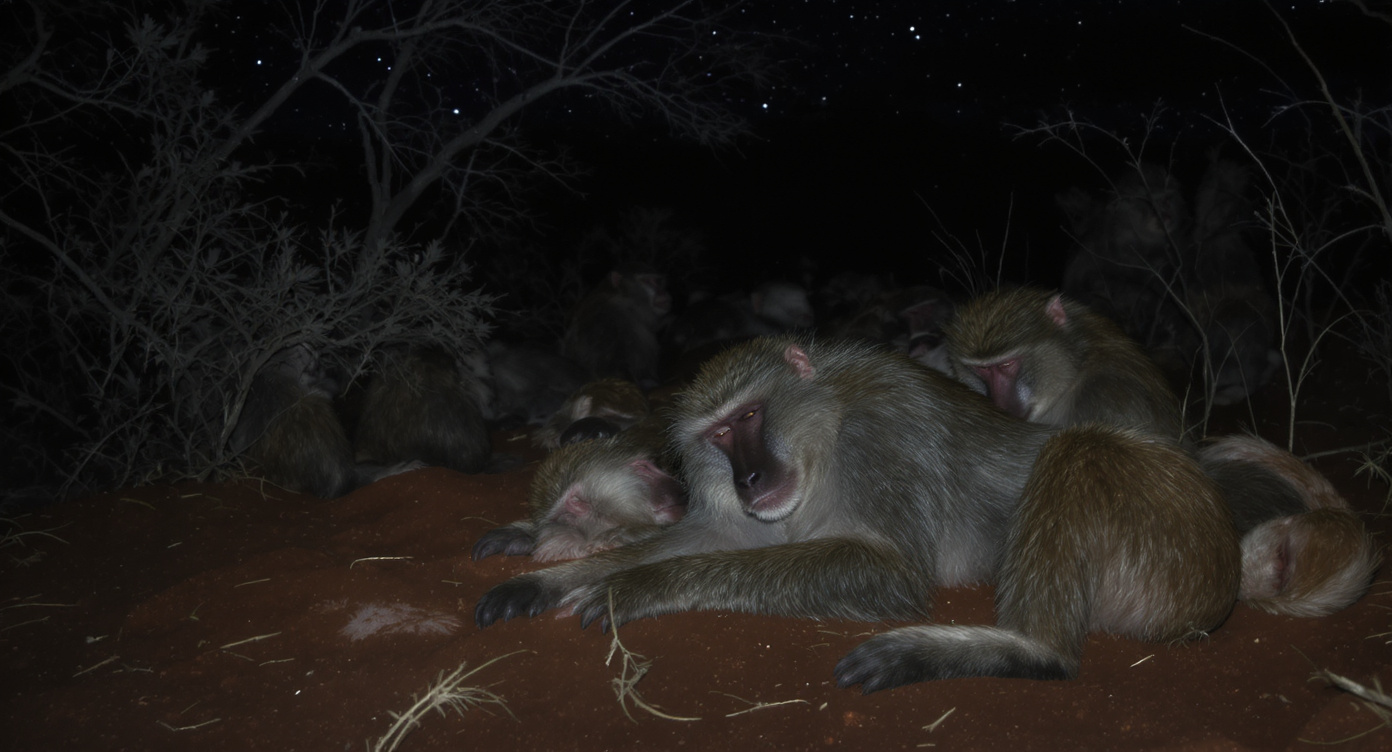
A new study has found that high-ranking baboons sleep less and more restlessly than their subordinates, sacrificing sleep quality for safety in the center of the group. Leadership in the animal kingdom is associated with chronic sleep deprivation.
Male bonobos are able to identify periods of peak fertility in females by observing the age of their offspring and changes in external features, even when the signals are ambiguous. This ability allows them to choose the optimal time for mating.
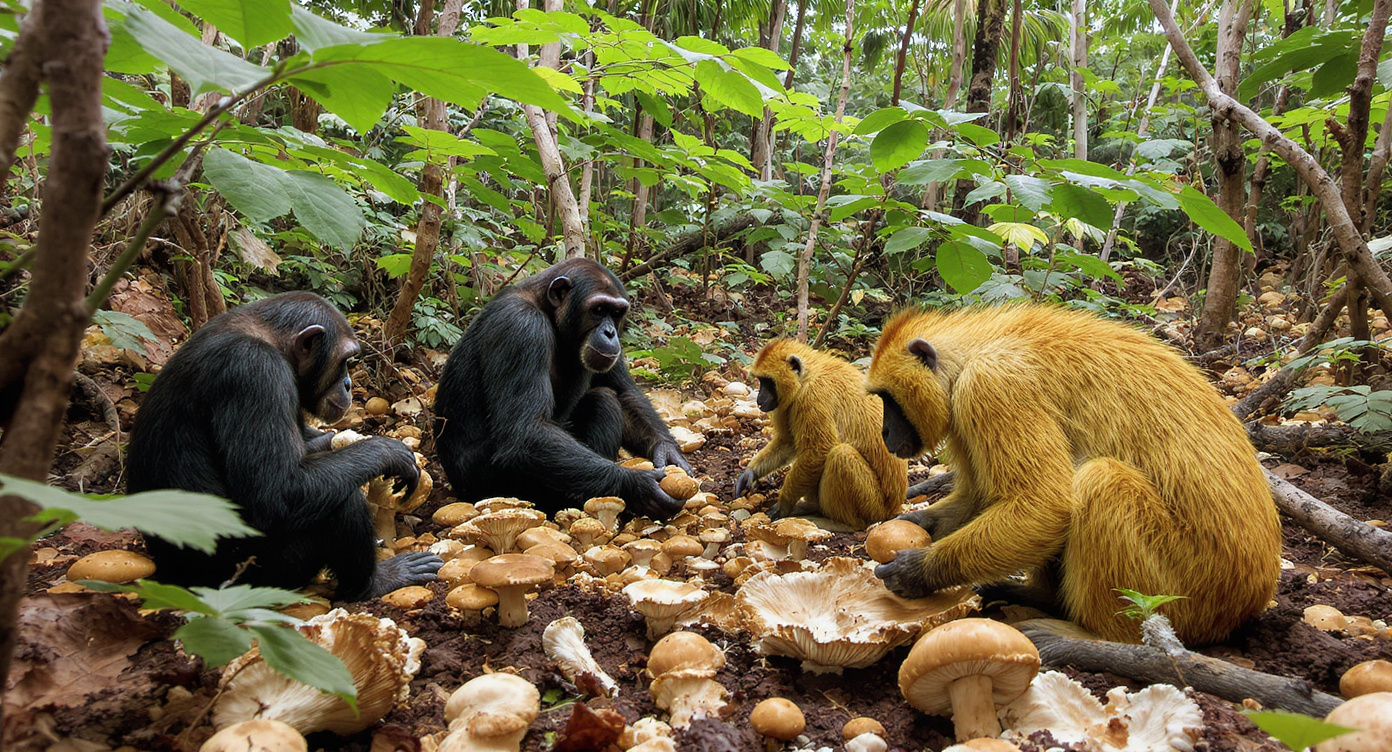
A new study has shown that mushrooms play an important role in the diet of some primates in Tanzania, and for baboons, they have become a preferred food source. These findings help us better understand the possible diets of ancient hominids.
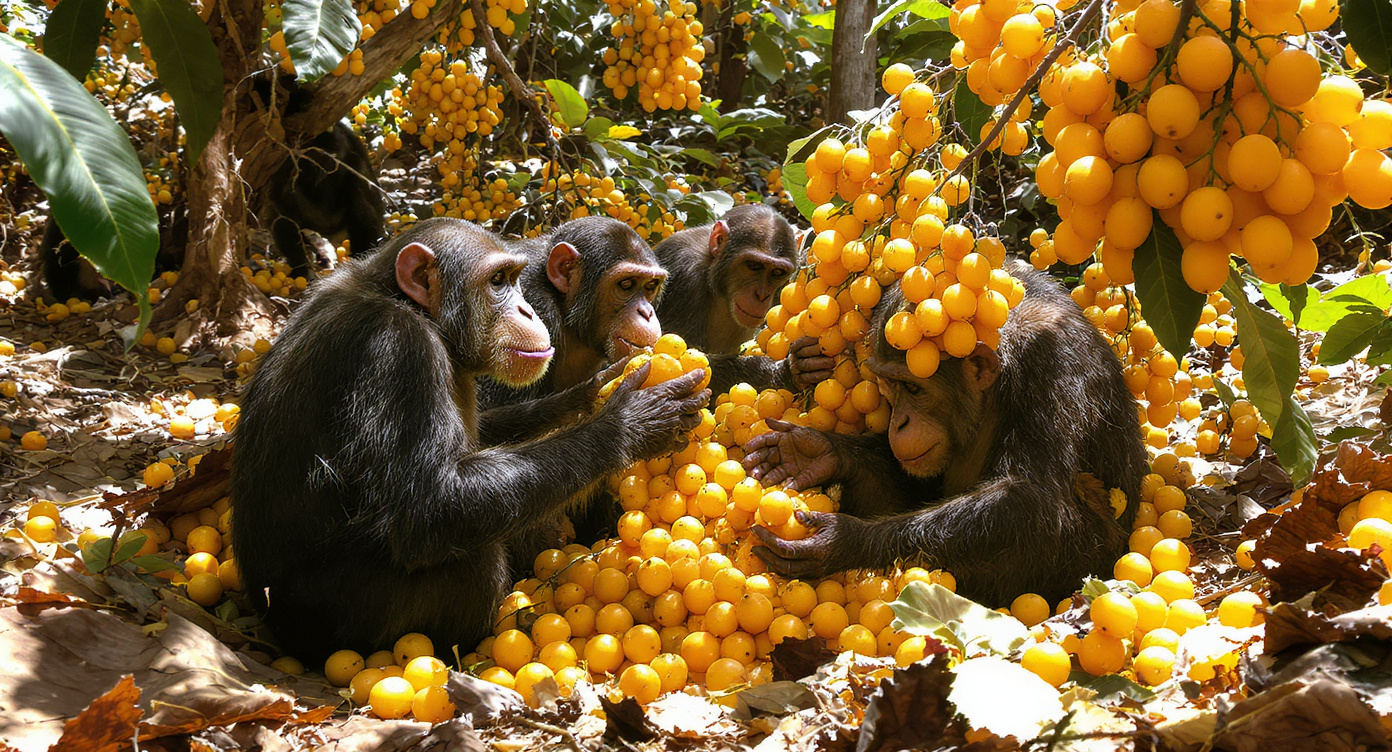
A new study has shown that chimpanzees consume a significant amount of alcohol each day by eating overripe fruit. This discovery sheds light on the ancient evolutionary roots of humans' attraction to alcohol.

 Cursus