

The primate microbiota helped the brain to evolve
A new study has shown that gut bacteria from primates with large brains can activate genes in rodents related to energy supply and cognitive functions, which may have played a role in the evolution of intelligence.
Cursus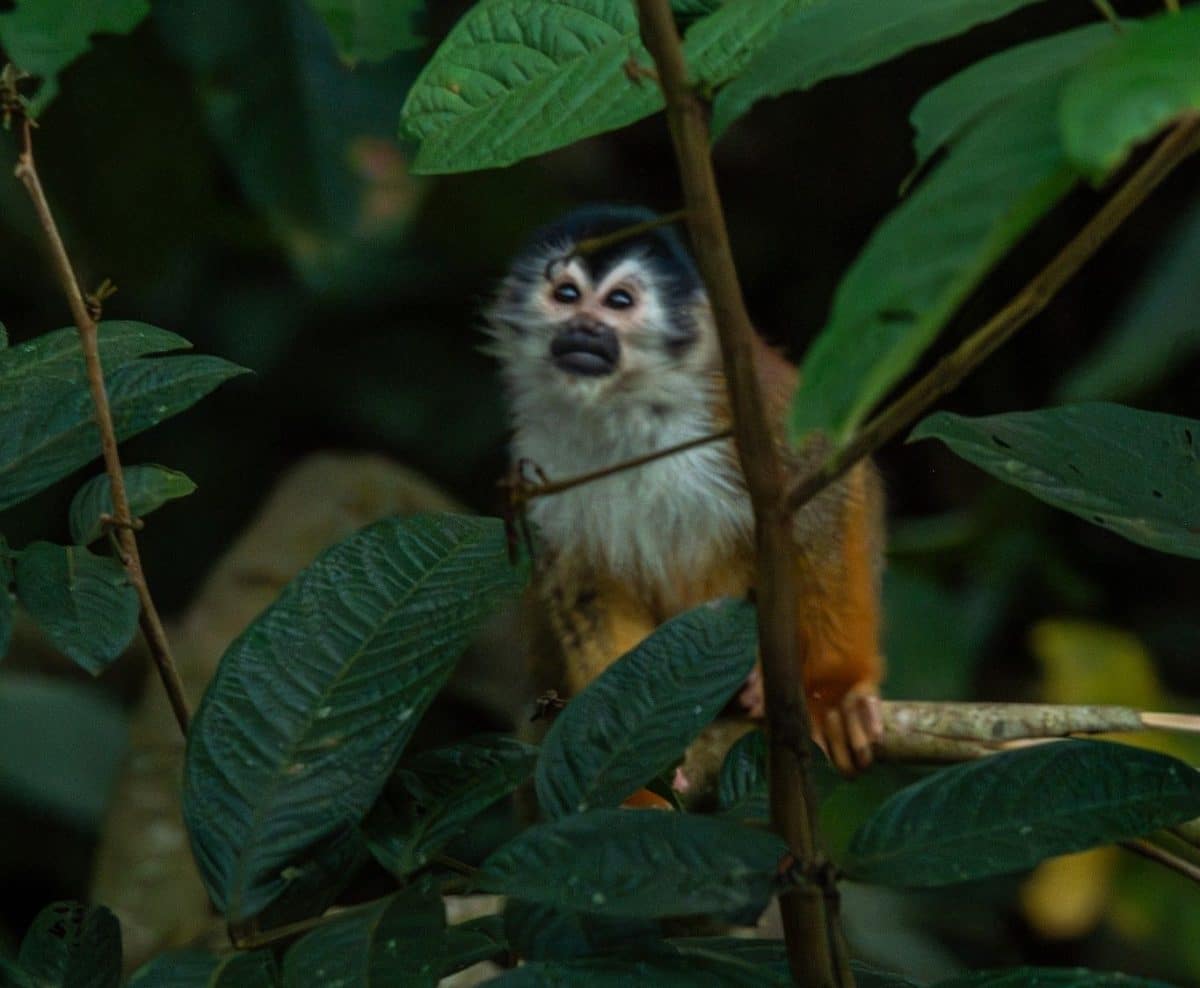
An experiment involving microbiota transplantation has shown that bacteria from primates with large brains can activate the same genetic mechanisms in rodents that are responsible for high intelligence in humans.
Brain Energy Demands and the Evolutionary Puzzle
The human brain accounts for only 2% of body mass, yet it consumes about 20% of the body's total energy. In evolutionary biology, a longstanding question has been: where did our ancestors find the resources to support such an energy-intensive organ? Geneticists have suggested that the answer lies in mutations that altered human metabolism. However, another hypothesis proposed that internal changes alone were insufficient, and that primates may have delegated some energy extraction tasks to their gut symbionts—the microbiota.
The Experiment: The Impact of Primate Microbiota on Mouse Brains
To test this hypothesis, scientists conducted an experiment that excluded the influence of the host's own genetics. In a study published in PNAS, sterile mice received microbiota transplants from three primate species with different brain sizes: humans (large brain), macaques (smaller brain, close relatives of humans), and squirrel monkeys (relatively large brain, but more distantly related).
To ensure experimental accuracy, the researchers separated the factors of relatedness and brain size. Rather than simply observing, they aimed to prove a functional link by using the MiMeNet neural network, which compared 11,359 active mouse brain genes with the metabolic pathways of specific bacteria.
Analysis Results: Activation of Energy Genes
The analysis revealed that the microbiota from humans and squirrel monkeys, despite their evolutionary distance, affected the mouse brain in similar ways: they activated genes responsible for energy production. Notably, human microbes enhanced oxidative phosphorylation—the most efficient way to generate cellular ATP—as well as glucose metabolism.
Connection to Brain Evolution
To understand the evolutionary significance of these changes, the scientists compared the expression map of oxidative phosphorylation genes with the regions of the human brain that expanded most during evolution compared to macaques. The maps matched: the brain areas that grew the most over evolutionary time were also the most dependent on the energetic support provided by bacteria.
Additional Effects of Microbiota
In addition, the "human" microbiota stimulated the production of the DLG4 protein in mice, which is essential for forming new connections between neurons and thus contributes to the complexity of brain structure. It was also found that human bacteria suppressed the activity of genes associated with neuropsychiatric disorders such as autism and ADHD. Meanwhile, macaque microbiota promoted faster body growth and fat accumulation in mice, whereas microbes from large-brained primates redirected resources toward supporting cognitive functions.
Conclusions
The study's results confirm that the composition of gut microbiota evolved in tandem with the brains of primates. Microbiota helped human ancestors overcome the energetic barrier and develop a complex nervous system.