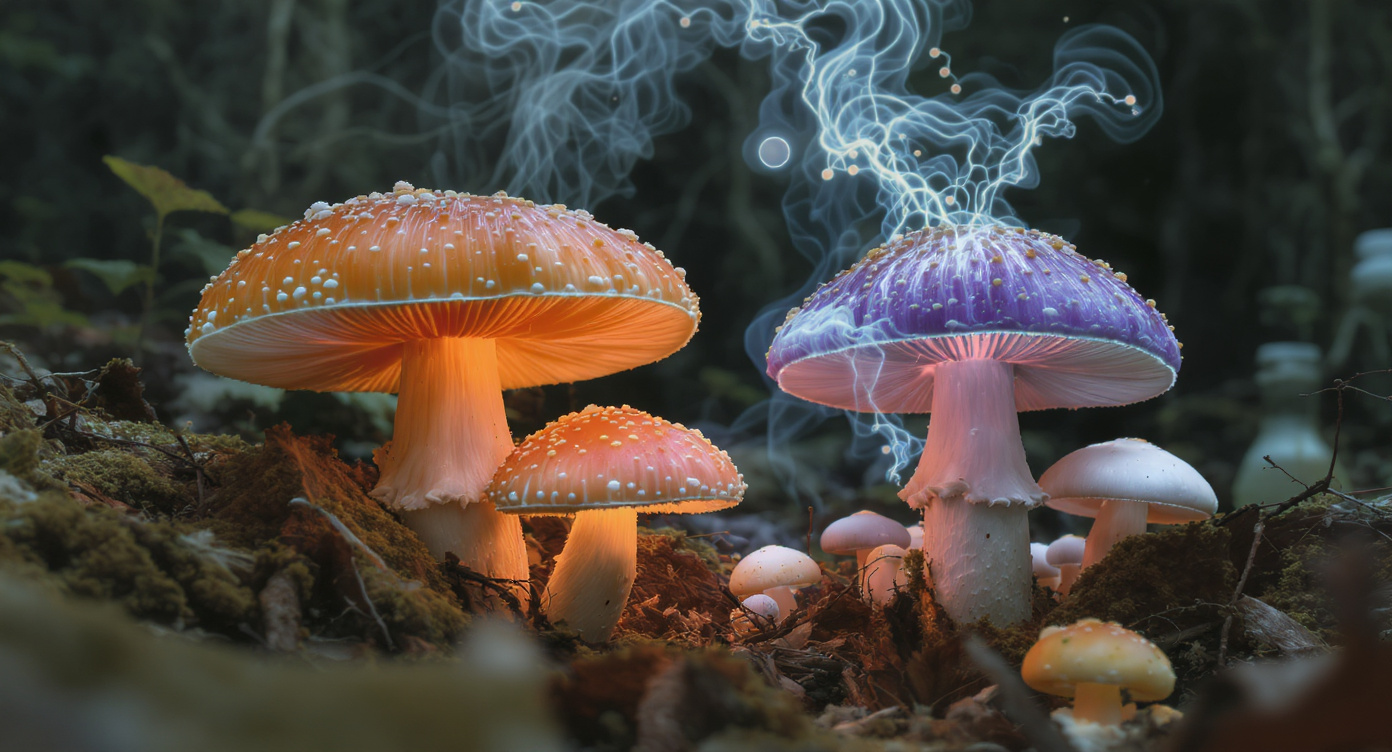
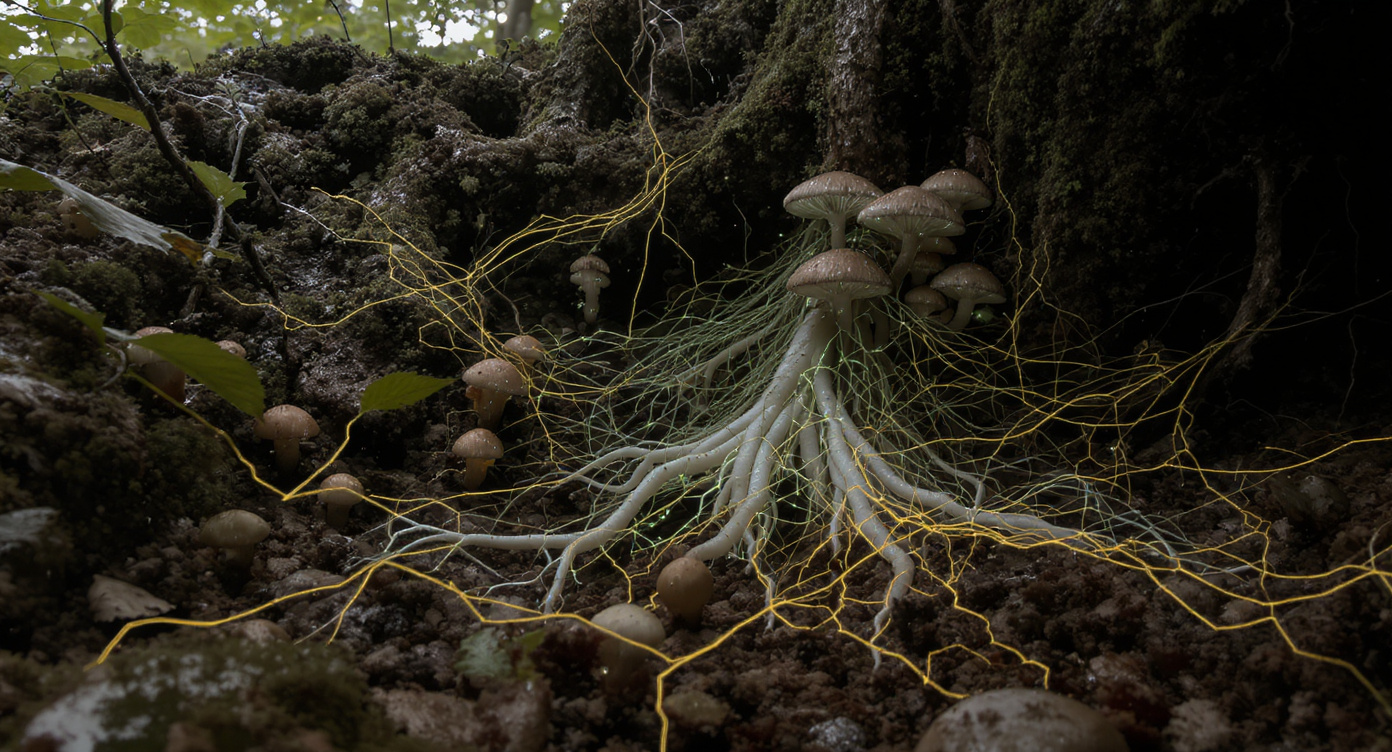
Japanese ecologists have, for the first time, recorded a stable exchange of electrical signals between wild mushrooms in their natural environment. The study revealed that mushrooms form dynamic communication networks, responding to the appearance of resources and even connecting genetically different organisms.
Scientists have deciphered the genetic mechanism that enables soil fungi to produce proteins which trigger the crystallization of water at mild subzero temperatures. These proteins, acquired by fungi from bacteria, could offer a safe alternative for weather modification, industrial freezing, and cryopreservation.
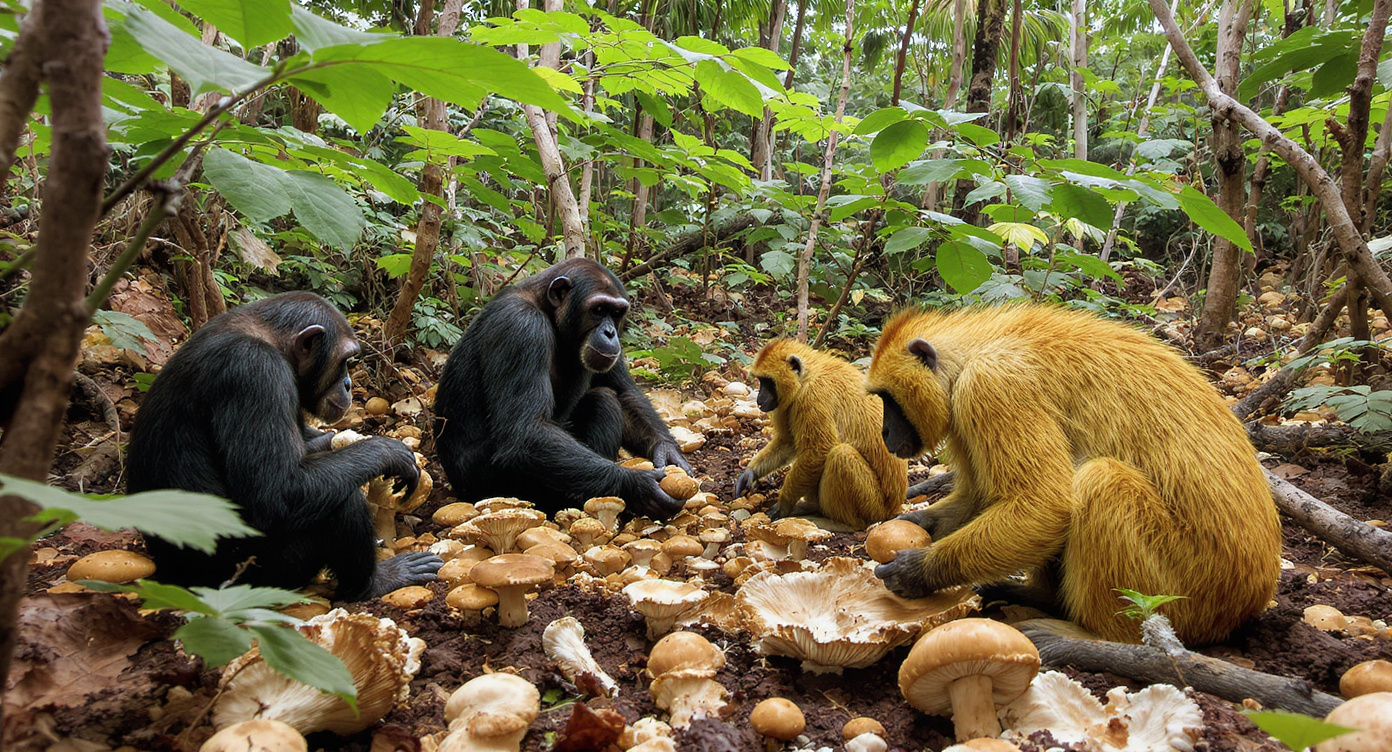
A new study has shown that mushrooms play an important role in the diet of some primates in Tanzania, and for baboons, they have become a preferred food source. These findings help us better understand the possible diets of ancient hominids.
Scientists have discovered that different species of mushrooms have independently learned to produce psilocybin through various biochemical pathways. This finding could simplify the biotechnological production of the substance for medical use.

 Cursus