Studies have shown that most animals and humans use a similar rhythm to transmit signals—about 2 hertz—which is linked to the way nerve cells function. This universal tempo forms the basis of both natural communication and popular musical rhythms.
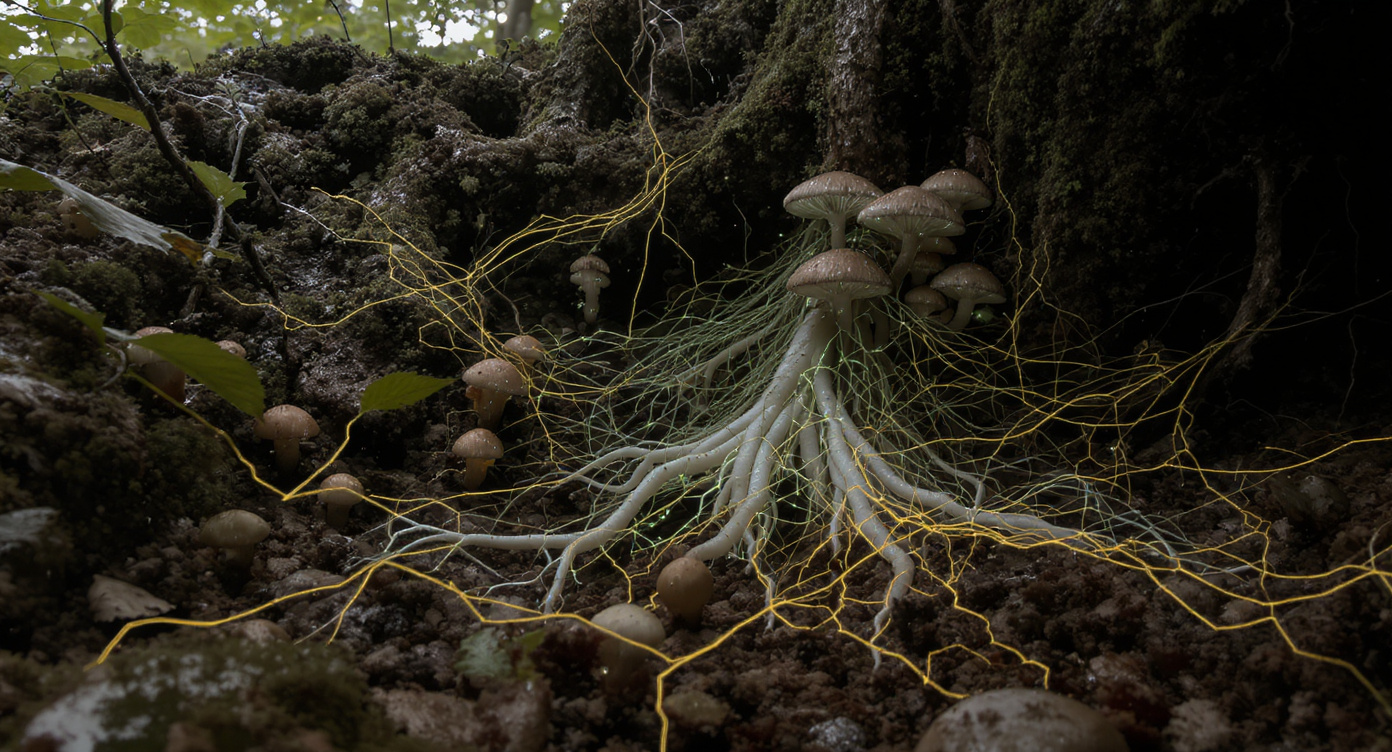
Japanese ecologists have, for the first time, recorded a stable exchange of electrical signals between wild mushrooms in their natural environment. The study revealed that mushrooms form dynamic communication networks, responding to the appearance of resources and even connecting genetically different organisms.
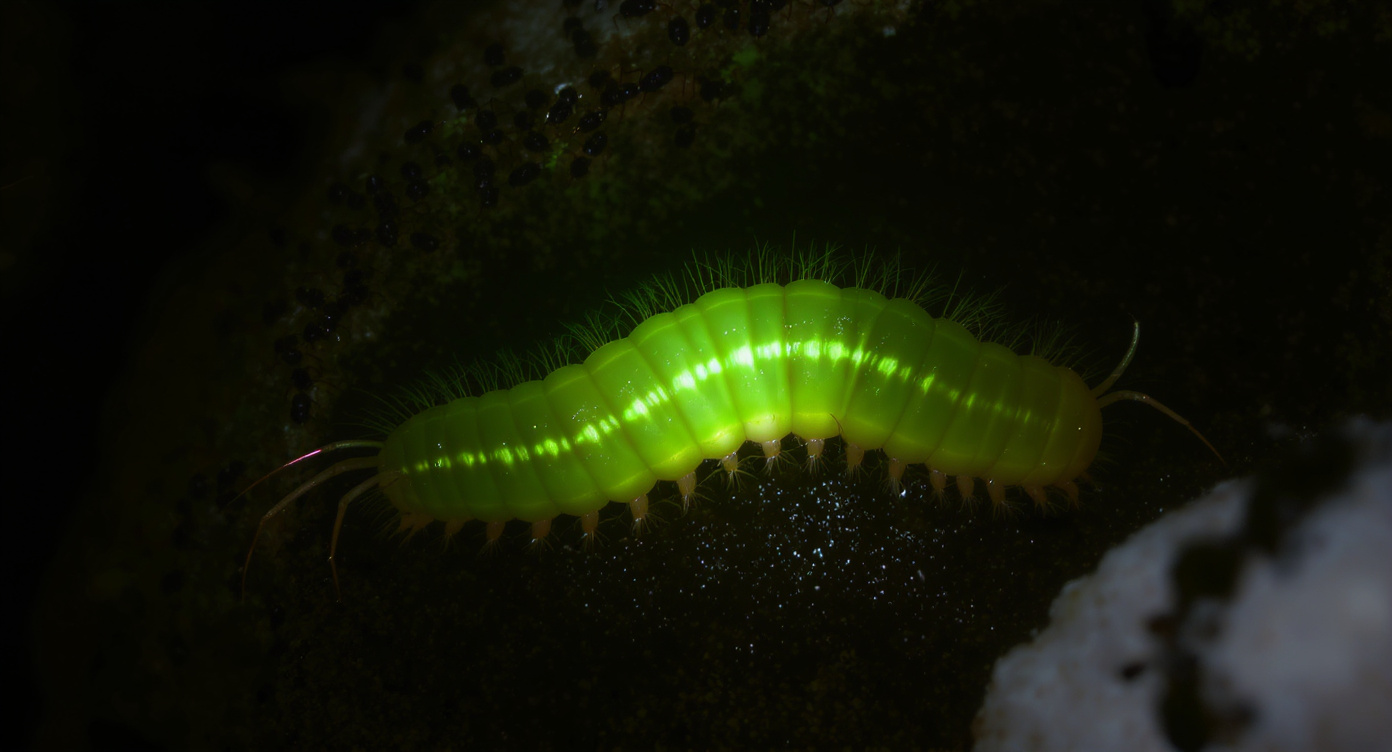
Some butterfly caterpillars use not only chemical but also acoustic signals, mimicking the rhythms of ants to blend into their colonies and gain protection and food. This rhythm helps them be recognized as “one of their own” and survive inside the anthill.

 Cursus