

Caterpillars deceive ants using rhythm
Some butterfly caterpillars use not only chemical but also acoustic signals, mimicking the rhythms of ants to blend into their colonies and gain protection and food. This rhythm helps them be recognized as “one of their own” and survive inside the anthill.
Cursus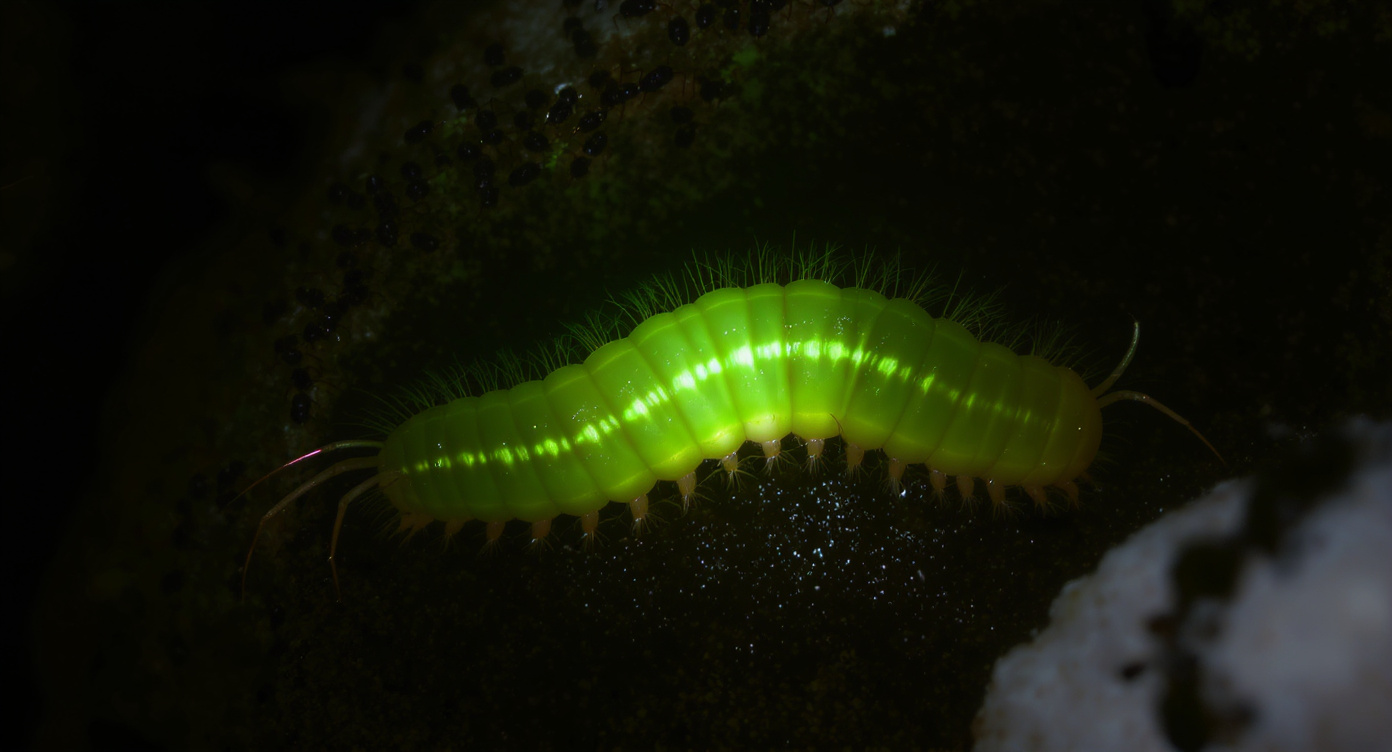
Butterfly caterpillars use not only chemical signals familiar to ants, but also acoustic vibrations that match the rhythm of the ants’ own signals. These mechanisms allow caterpillars to gain the trust of ant colonies, ensuring their protection, food, and shelter.
Myrmecophily: The Connection with Ants
Myrmecophiles are species closely associated with ants and often live inside their colonies. This group includes various arthropods such as beetles, mites, spiders, aphids, caterpillars, and other organisms. Myrmecophiles receive food and protection from ants, and in return, they secrete substances that ants feed on.
For some butterfly species, such as those in the Lycaenidae family, the presence of ants is essential for caterpillar survival. Ants treat these caterpillars as members of their own colony, carrying them into the nest, protecting them from predators, and feeding them. In exchange, the caterpillars produce sweet secretions for the ants.
Mechanisms of Colony Integration
To successfully integrate into an ant colony, myrmecophilous caterpillars have learned to mimic the ants’ chemical signals. However, their abilities go beyond this.
Inside ant nests, complex vibroacoustic signals play an important role. Ants use sound vibrations to coordinate actions in case of danger, attract partners, and exchange information among individuals.
Research has shown that, in addition to chemical mimicry, caterpillars actively use acoustic vibrations that match the rhythm of ant signals to attract and calm their hosts.
Analysis of Vibroacoustic Signals
During the analysis, scientists studied vibroacoustic signals transmitted through plants, soil, or the walls of the ant nest, produced by two ant species and nine caterpillar species with varying degrees of myrmecophily. Special attention was paid to the rhythmic patterns of these signals.
Caterpillars with the strongest myrmecophilous traits produced signals with a regular beat and complex rhythmic patterns, reminiscent of musical rhythms with alternating strong and weak beats. Similar rhythmic features are observed in the signals of the ants themselves. Caterpillars with weaker associations to ants produced simpler or more irregular vibrations.
The Importance of Rhythm in Communication
Precise rhythmic signals allow caterpillars to be recognized by ants as “one of their own.” In the dark and noisy environment of an ant nest, the correct rhythm helps signals stand out and be quickly identified. For caterpillars, this can be a matter of survival, as it determines whether ants will care for and protect them or completely ignore them.