The implementation of lean methodologies requires consideration of the cultural and organizational characteristics of the region—there is no universal template. Success depends on adapting tools and approaches to local conditions.
A new study has shown that approval from others accelerates speech development in infants and singing in birds. Social feedback helps foster faster and more coherent communication.
Studies have shown that most animals and humans use a similar rhythm to transmit signals—about 2 hertz—which is linked to the way nerve cells function. This universal tempo forms the basis of both natural communication and popular musical rhythms.
A new study has revealed that sperm whales use a complex system of sounds that exhibit phonological patterns similar to human speech. This suggests a highly developed form of communication and notable similarities with human linguistic structures.
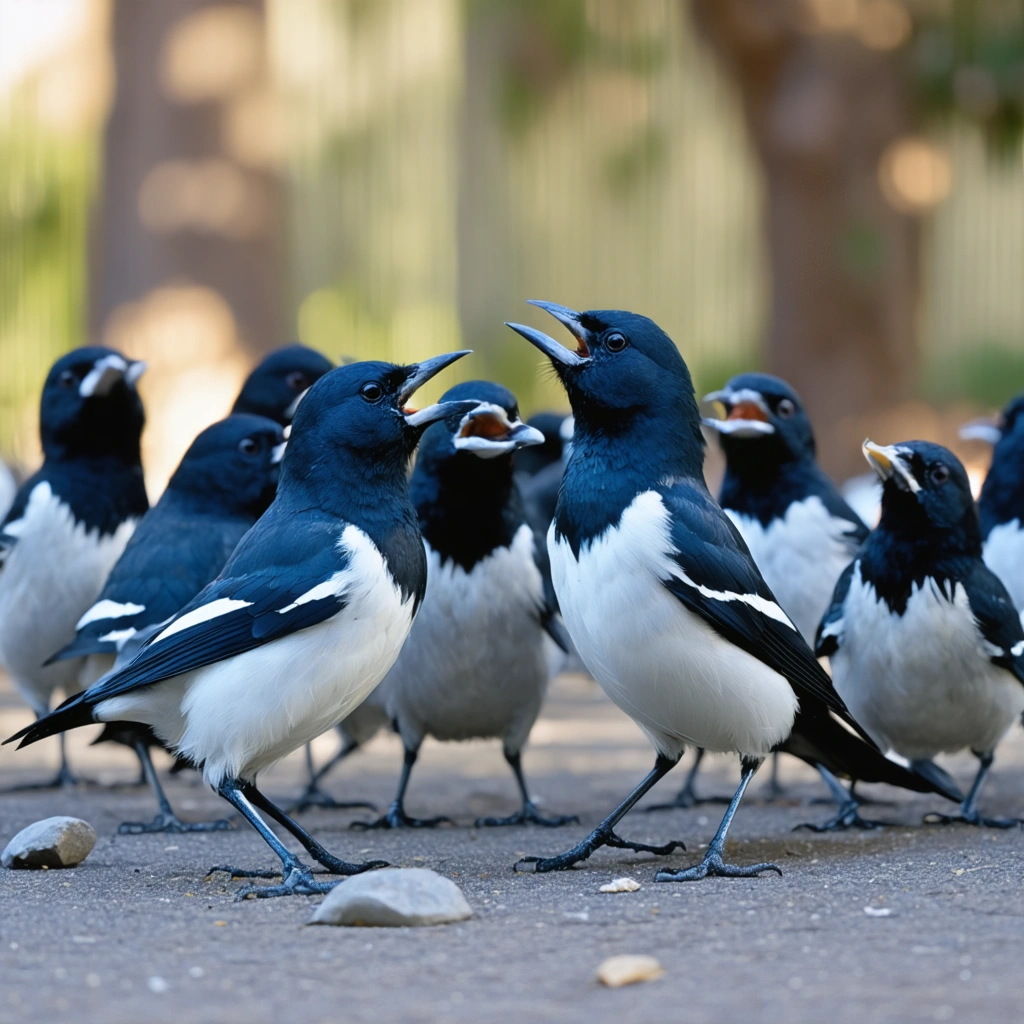
A new study has shown that close social bonds among Western Australian magpies accelerate their learning of complex vocal combinations, while a wider social circle helps them develop a more diverse vocal repertoire. Social activity has been identified as a key factor in the development of communication skills in birds.
Japanese ecologists have, for the first time, recorded a stable exchange of electrical signals between wild mushrooms in their natural environment. The study revealed that mushrooms form dynamic communication networks, responding to the appearance of resources and even connecting genetically different organisms.
Some butterfly caterpillars use not only chemical but also acoustic signals, mimicking the rhythms of ants to blend into their colonies and gain protection and food. This rhythm helps them be recognized as “one of their own” and survive inside the anthill.
A new study has found that people with autism express emotions differently than neurotypical individuals, which can make mutual understanding more difficult. This may be a two-way issue, not just a characteristic of autistic people.
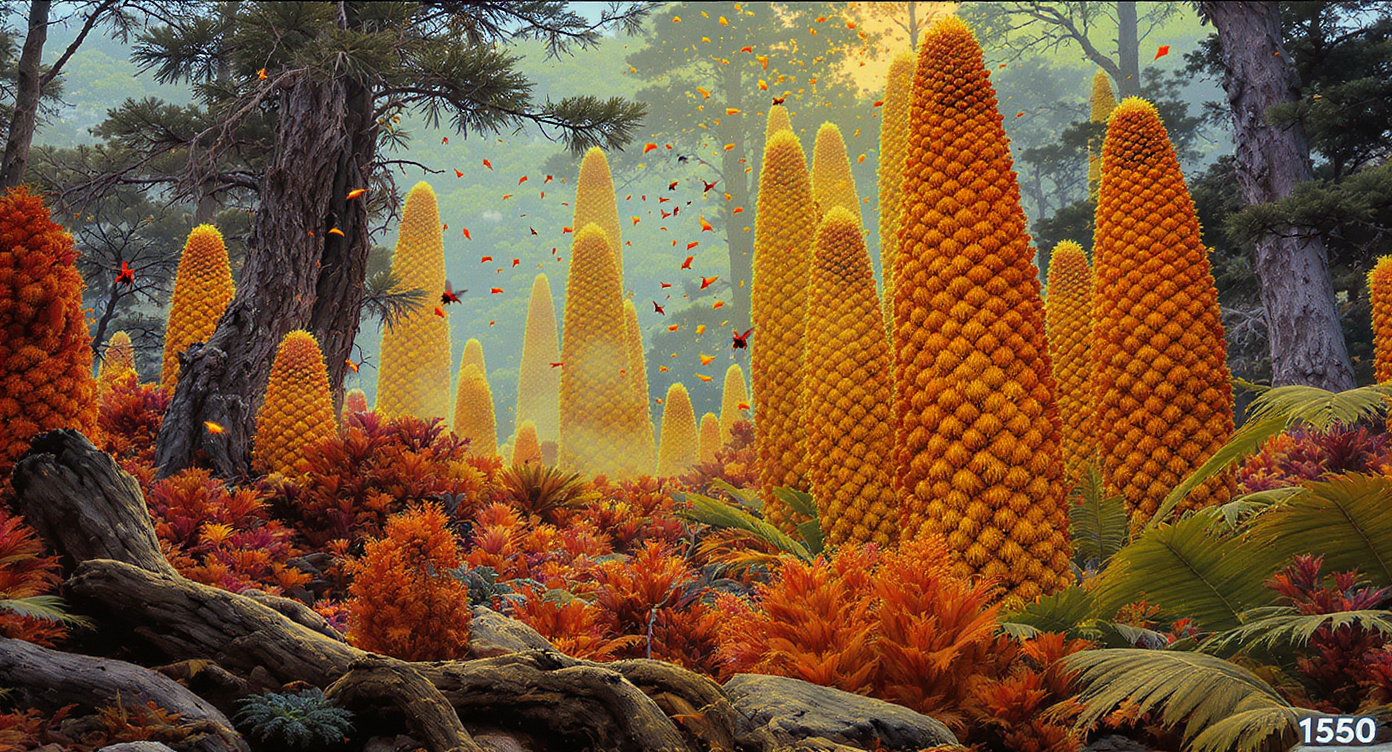
Long before the appearance of bright colors and fragrances, plants attracted insects using heat signals. A new study has shown that ancient cycads used infrared radiation to communicate with their pollinators.


 Nexus
Nexus