

Autism: Emotions Are Expressed Differently Than Expected
A new study has found that people with autism express emotions differently than neurotypical individuals, which can make mutual understanding more difficult. This may be a two-way issue, not just a characteristic of autistic people.
Cursus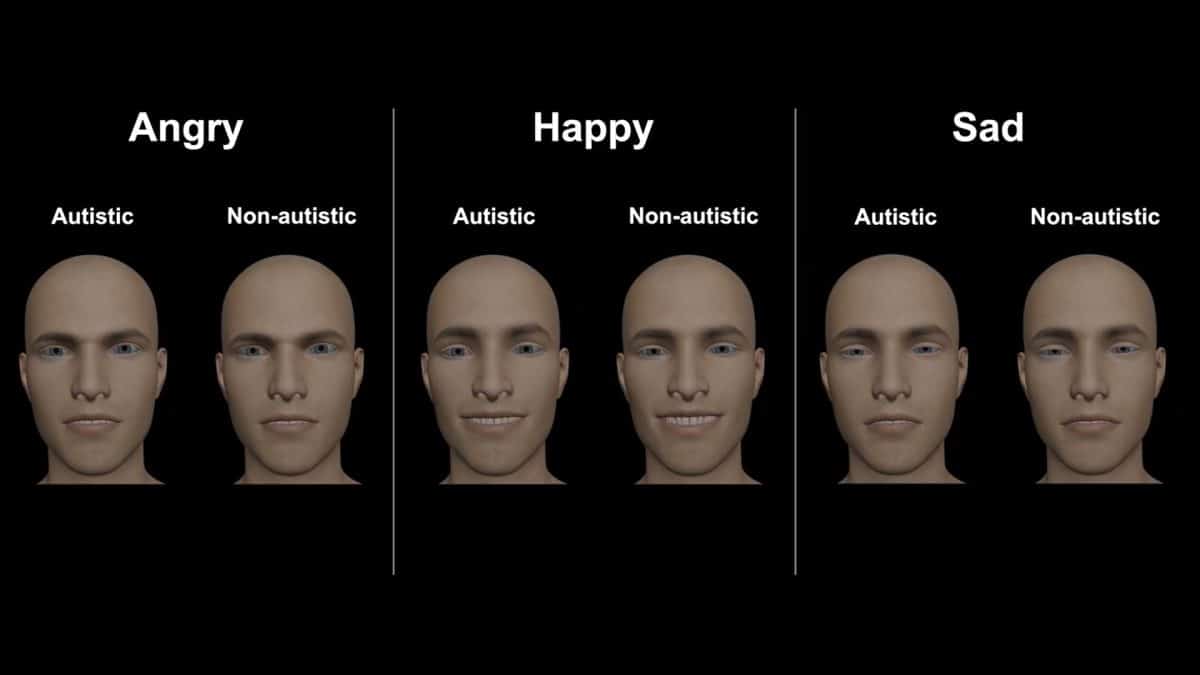
Research shows that people with autism spectrum disorders (ASD) often find it difficult to recognize the emotions of others who do not share similar developmental traits. However, British scientists have discovered that the reason for this may lie not only in perception difficulties, but also in the fact that autistic individuals express emotions differently than neurotypical people.
What Are Autism Spectrum Disorders?
ASD refers to a group of conditions related to neurodevelopmental differences that affect how a person perceives themselves and those around them, as well as their communication skills. People with autism may have trouble processing auditory information, recognizing others’ emotions, and establishing contact with conversation partners.
Scientific Studies on Autism Features
Many scientific works are devoted to exploring the causes and explanations of autism symptoms. For example, recent publications have shown that the brains of autistic children process sounds differently, and have also explained why people with ASD rarely make eye contact during conversations.
The British Scientists’ Experiment
Researchers from the University of Birmingham created a map of facial expressions in autistic and neurotypical adults. The study involved 25 autistic and 26 non-autistic adults. Participants were asked to display angry, happy, and sad facial expressions in two situations: while hearing certain sounds and during conversation.
Differences in Emotional Expression
The analysis revealed that anger, joy, and sadness are expressed differently in the facial expressions of autistic and non-autistic people. Participants with ASD showed a greater variety of unique facial expressions: they used their mouths more actively, moved their eyebrows less, smiled less broadly when expressing happiness, and raised their upper lips more when showing sadness.
The Impact of Alexithymia
Alexithymia—a condition often found in autism and associated with difficulties in understanding and describing one’s own emotions—also influenced emotional expression. Participants with signs of alexithymia expressed anger and joy less clearly, making it harder for others, including neurotypical people, to recognize these emotions.
Mutual Misunderstanding
The study’s authors note that autistic and non-autistic people may express emotions in different ways, much like speaking different languages. What is often perceived as a difficulty for autistic individuals may actually be a two-way problem in understanding facial expressions—where not only is it hard for an autistic person to interpret a neurotypical conversation partner, but the reverse is also true.