A study has shown that cats can perceive the emotional tone of human speech, but they are unable to distinguish specific emotions based solely on voice. To accurately understand a person's mood, they likely also need visual cues.
A new study has shown that infrasound, even when it is not consciously perceived, triggers physiological stress and intensifies negative emotions, making music sound sadder and more irritating.
The study showed that bumblebees are able to distinguish complex rhythms and abstract temporal patterns, despite having a simple brain and lacking advanced hearing. This discovery offers new insights into the cognitive abilities of insects.
A new study has shown that closing your eyes does not help you better distinguish faint sounds in a noisy environment. On the contrary, visual cues—especially dynamic ones—actually improve how we perceive sounds.
A large-scale study found that people often prefer the same mating signals in animals that attract females in nature. Aesthetic preferences for sounds are shaped by similar biological principles across different species.
Researchers have developed an artificial neural network that mimics the human ability to pick out a single voice in a noisy environment. This model helps to better understand the mechanisms of auditory attention and could contribute to the creation of more effective hearing implants.
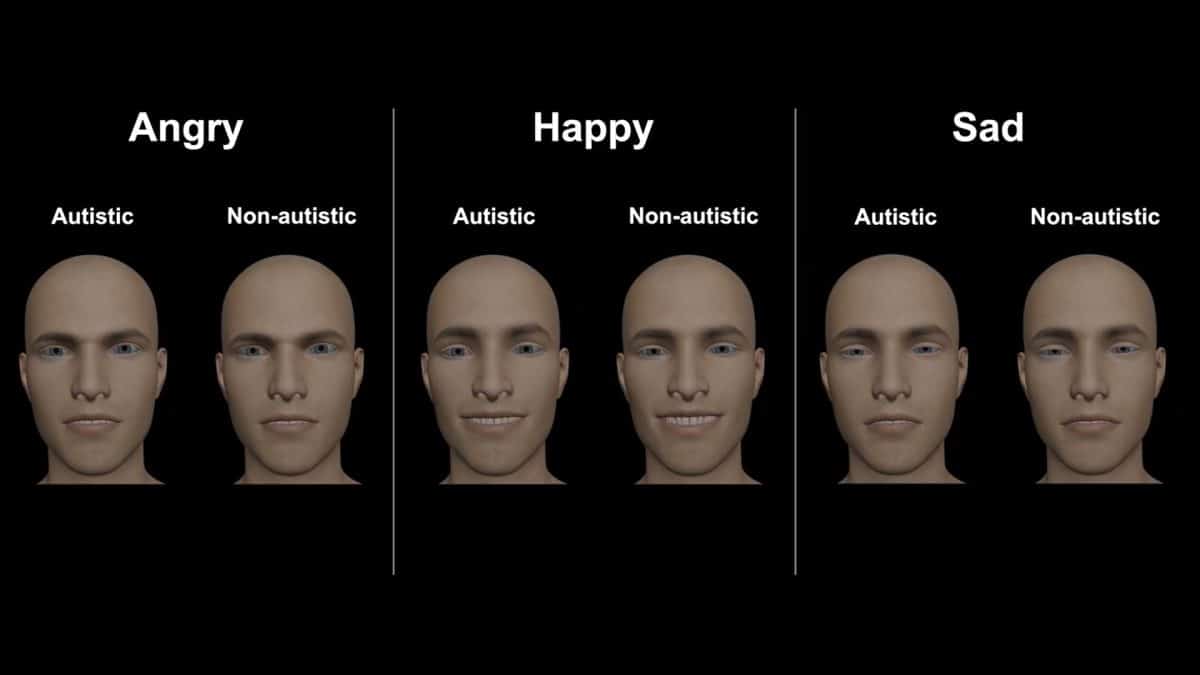
A new study has found that people with autism express emotions differently than neurotypical individuals, which can make mutual understanding more difficult. This may be a two-way issue, not just a characteristic of autistic people.


 Cursus