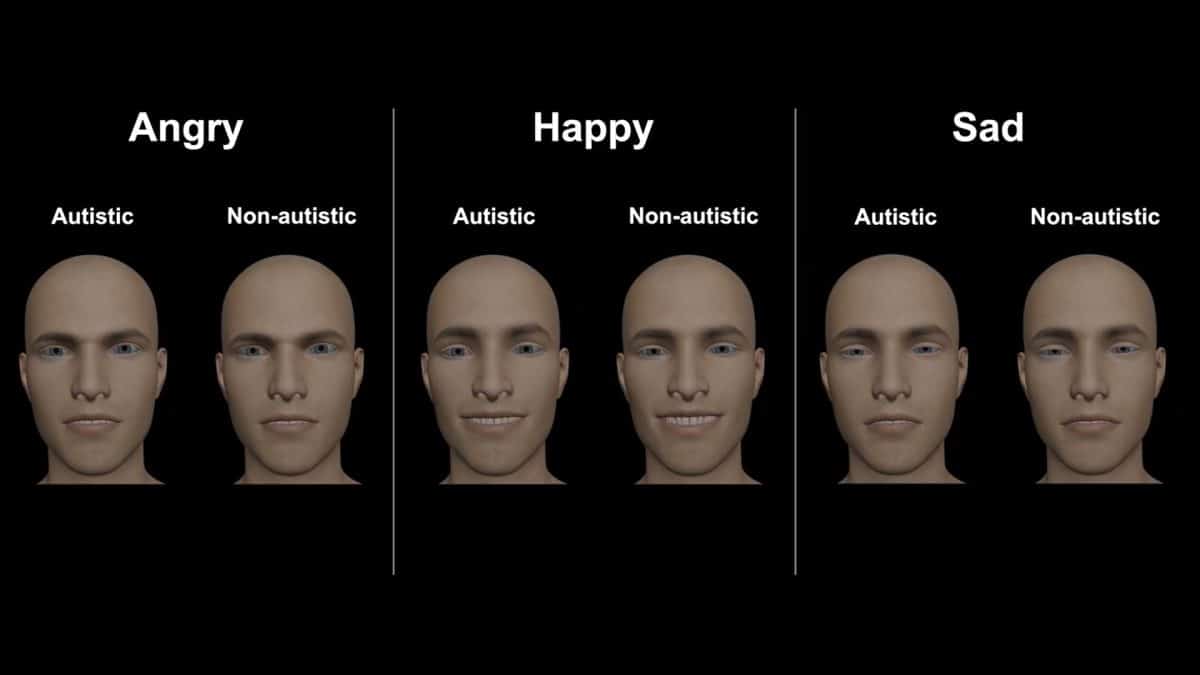
A new study has found that people with autism express emotions differently than neurotypical individuals, which can make mutual understanding more difficult. This may be a two-way issue, not just a characteristic of autistic people.
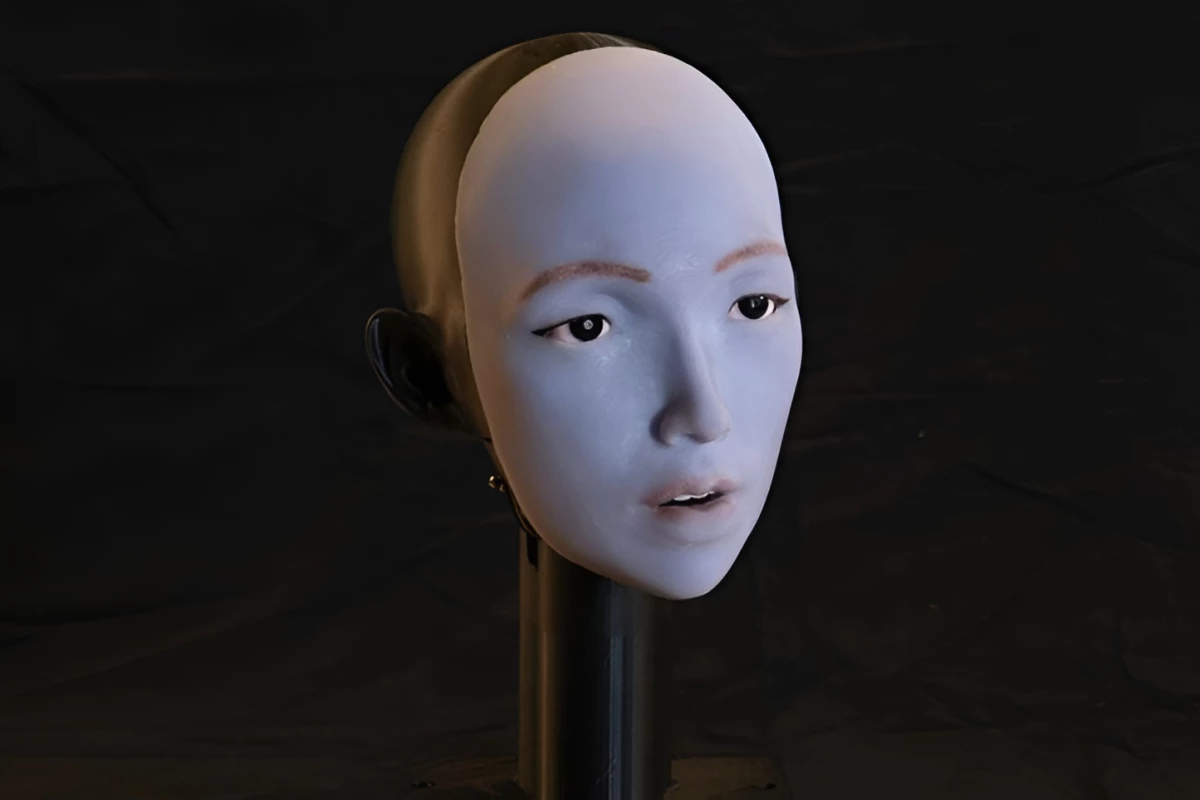
Researchers have developed a robot named EMO that learns to speak and synchronize its lip movements with speech by observing itself and analyzing videos of people. While the technology is still imperfect, the robot becomes increasingly natural in communication as it gains experience.
Studies have shown that by observing the facial expressions of mice, it is possible to determine not only their emotions but also their decision-making strategies. Analyzing subtle facial movements reveals complex cognitive processes and the simultaneous consideration of alternatives, opening up new possibilities for non-invasive diagnosis of mental and neurodegenerative disorders.

 Cursus