Scientists have developed nanoparticles that, when injected into the eye, can restore vision after retinal damage by replacing lost photoreceptors. This technology does not require surgery and is suitable for various causes of vision loss.
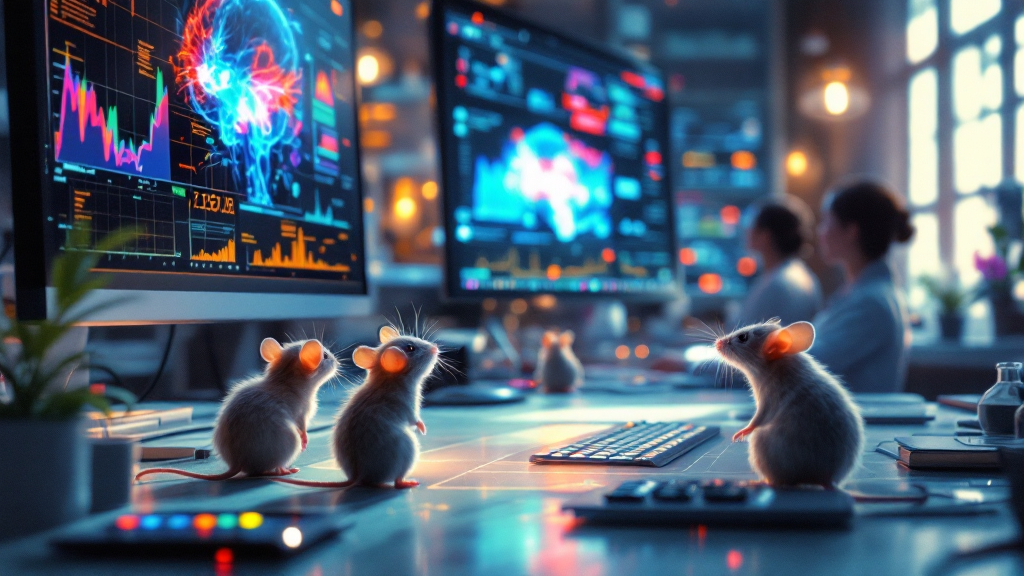
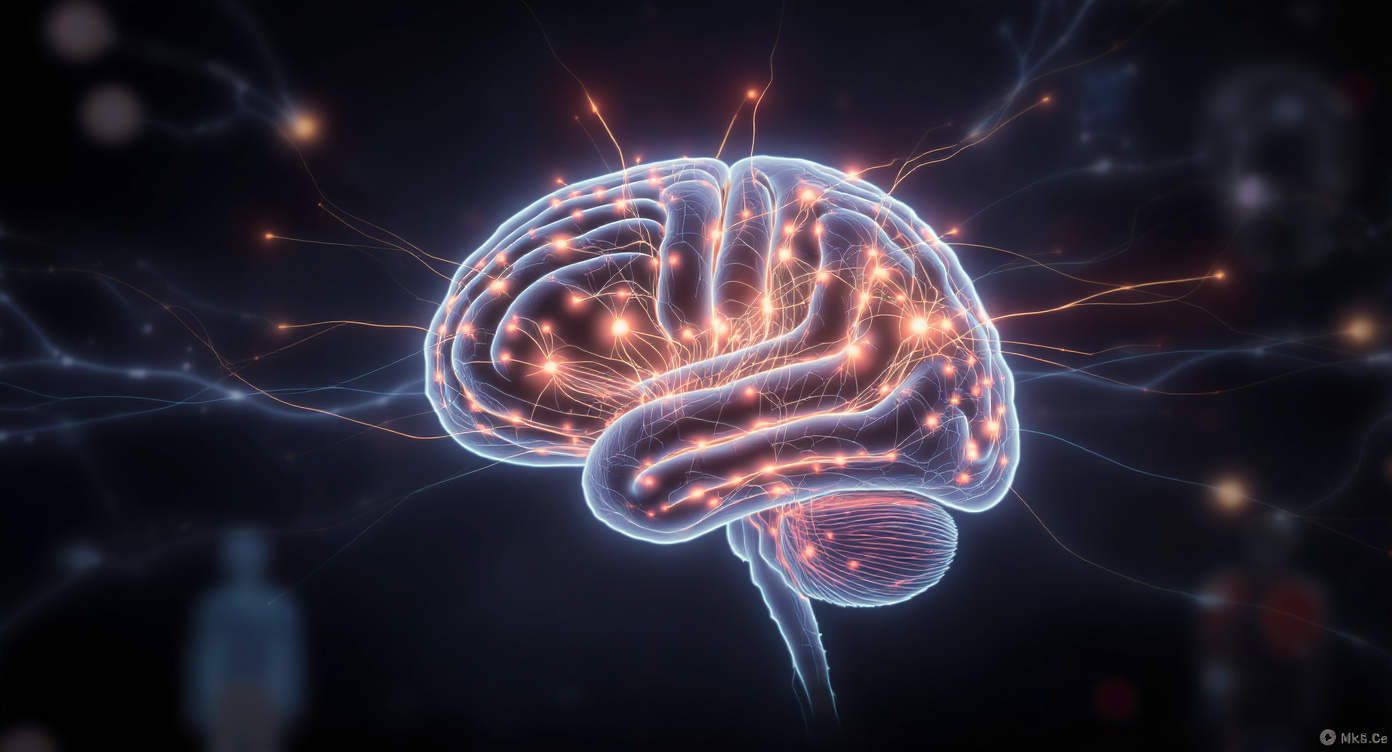
Researchers have developed a method to reconstruct videos based on the brain activity of mice, opening up new possibilities for studying how the brain transforms visual signals into internal representations. This work provides deeper insight into the differences between objective reality and the way the brain perceives the world.
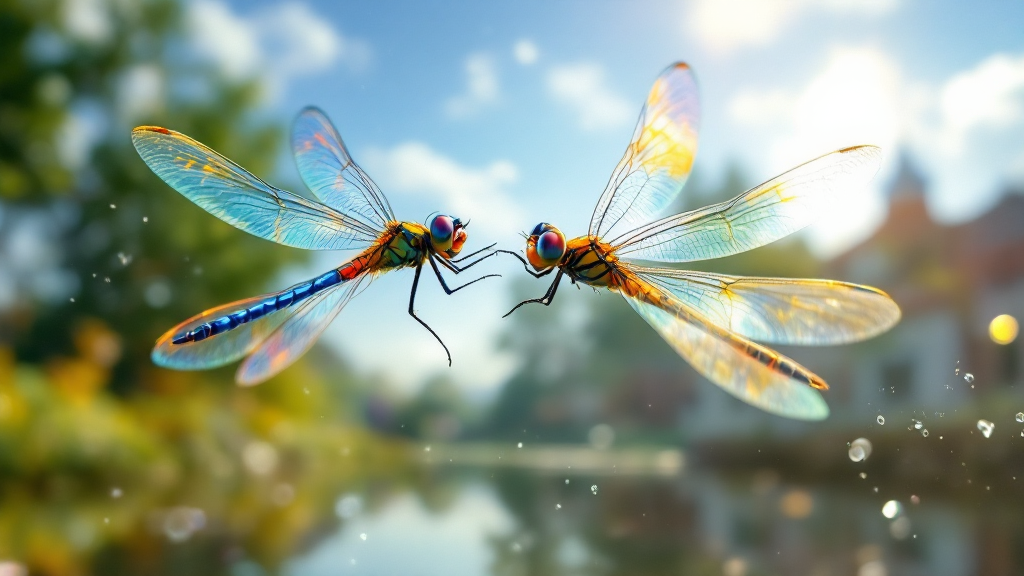
A new study has shown that aerial battles between male dragonflies resemble fighter jet maneuvers: they strive to gain advantageous positions, avoid collisions, and perform complex aerobatic moves. Interestingly, their behavior is guided by simple navigational rules rather than intelligence.
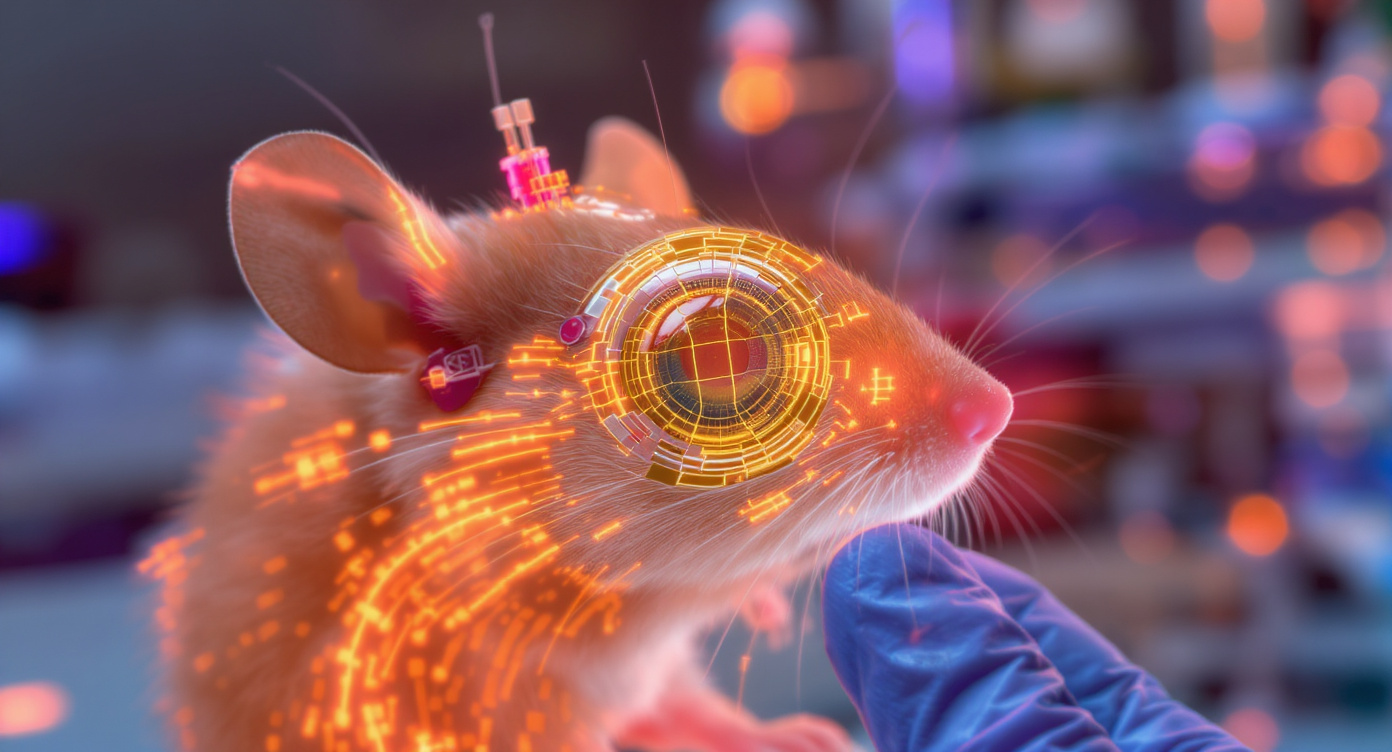
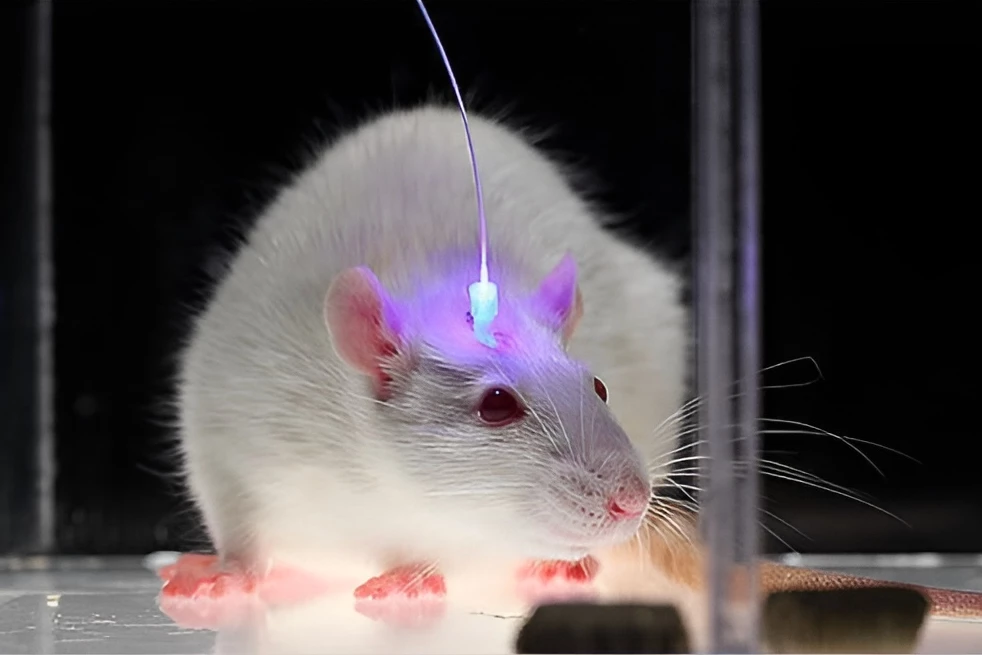
Scientists have developed a flexible eye implant that enables blind mice to perceive infrared light without damaging eye tissue. This new technology could expand treatment options for blindness, but its effectiveness and perception in humans remain unknown.
A new study has shown that closing your eyes does not help you better distinguish faint sounds in a noisy environment. On the contrary, visual cues—especially dynamic ones—actually improve how we perceive sounds.
The number of people with myopia is rapidly increasing, and recent studies link this not only to the use of digital devices but also to insufficient bright light during close-up work. Scientists are proposing new preventive methods, including special lenses and eye drops, but large-scale studies are still needed to confirm their effectiveness.
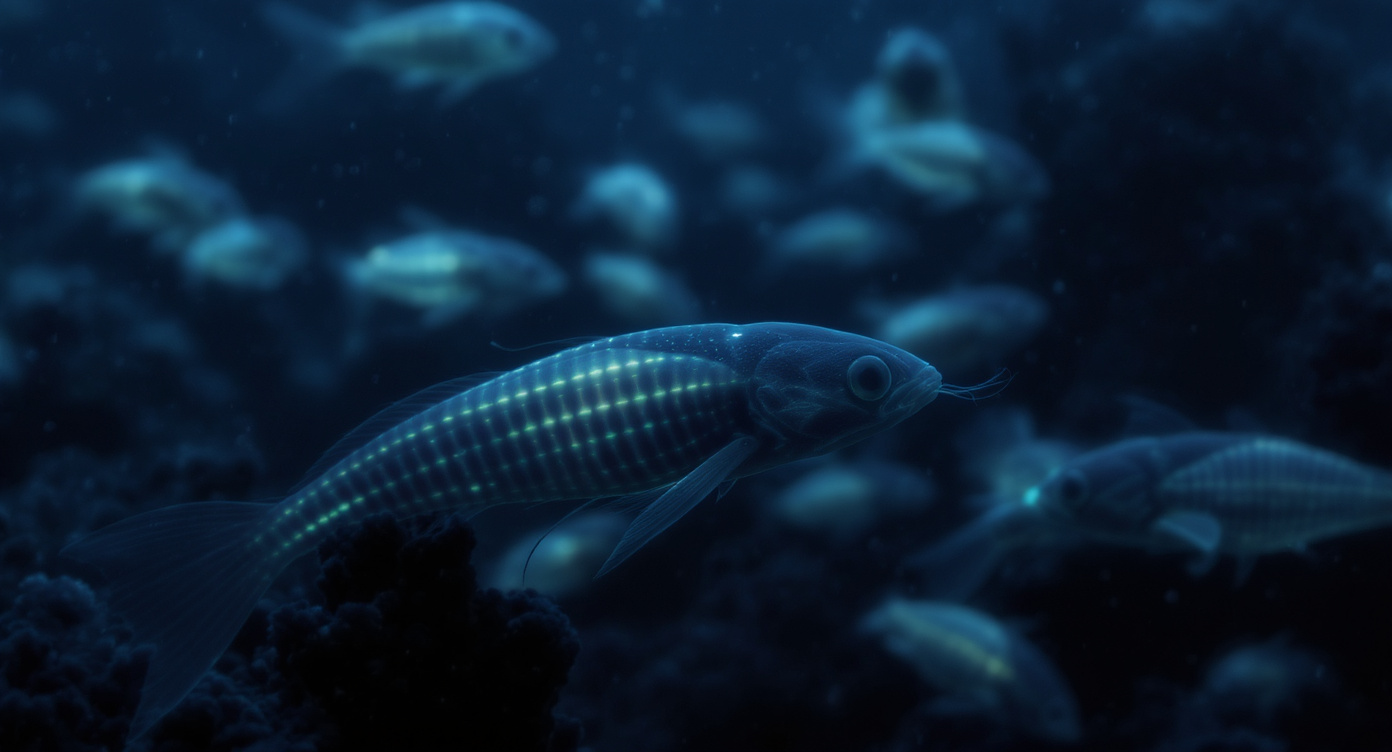
The study revealed that deep-sea fish larvae use unique hybrid cells for vision, combining the properties of both daytime and nighttime receptors. This discovery highlights the remarkable flexibility of evolution in adapting to life in darkness.
A new study has shown that people can learn to judge the distance to objects using echolocation by making clicking sounds with their tongues. This skill can be developed even after a short period of training and may be especially useful for individuals who are visually impaired.
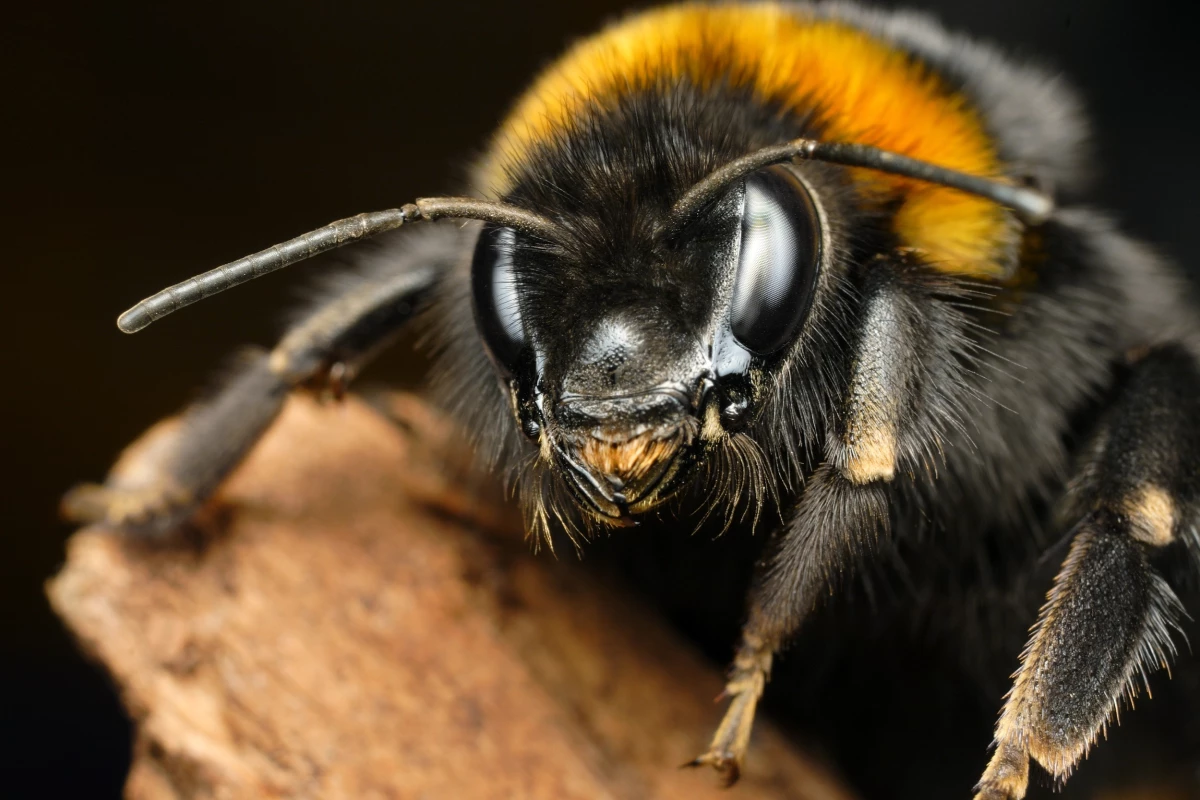
A new study has shown that bumblebees are able to quickly pick up positive emotional states from one another through visual contact, challenging previous ideas about the social lives of insects.
Swiss researchers have, for the first time, demonstrated that external electrical brain stimulation can significantly improve vision in patients with hemianopia following a stroke, opening up new possibilities for rehabilitation.
Scientists have developed a minimally invasive wireless neuroimplant capable of directly transmitting sensory signals to the brain. This technology opens up new possibilities for restoring lost senses and aiding rehabilitation after injuries and illnesses.
In a clinical study, a miniature implant and smart glasses helped most patients with severe macular degeneration partially regain their ability to read. This technology enables users to distinguish shapes and outlines, significantly improving the quality of life for people with incurable vision loss.
American scientists have discovered how the brain fills in missing details, creating illusions based on past experiences. Experiments with mice revealed that certain neurons respond to illusory contours even in the absence of a visual stimulus.

 Cursus