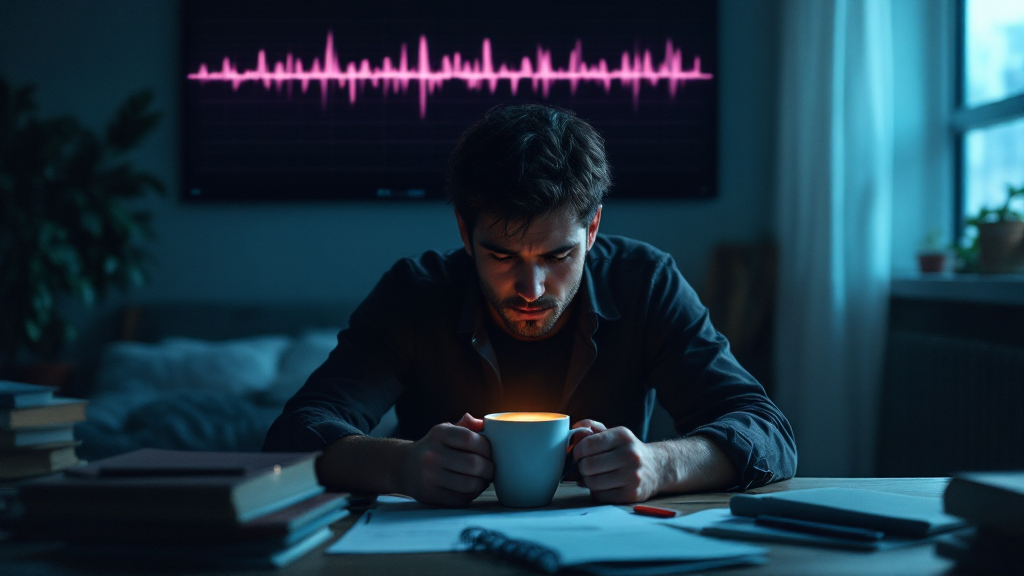
Recent studies show that caffeine can reduce sleep quality and hinder the body's recovery, even if a person falls asleep on time and does not notice any obvious sleep disturbances. The response to caffeine is individual and depends on many factors.
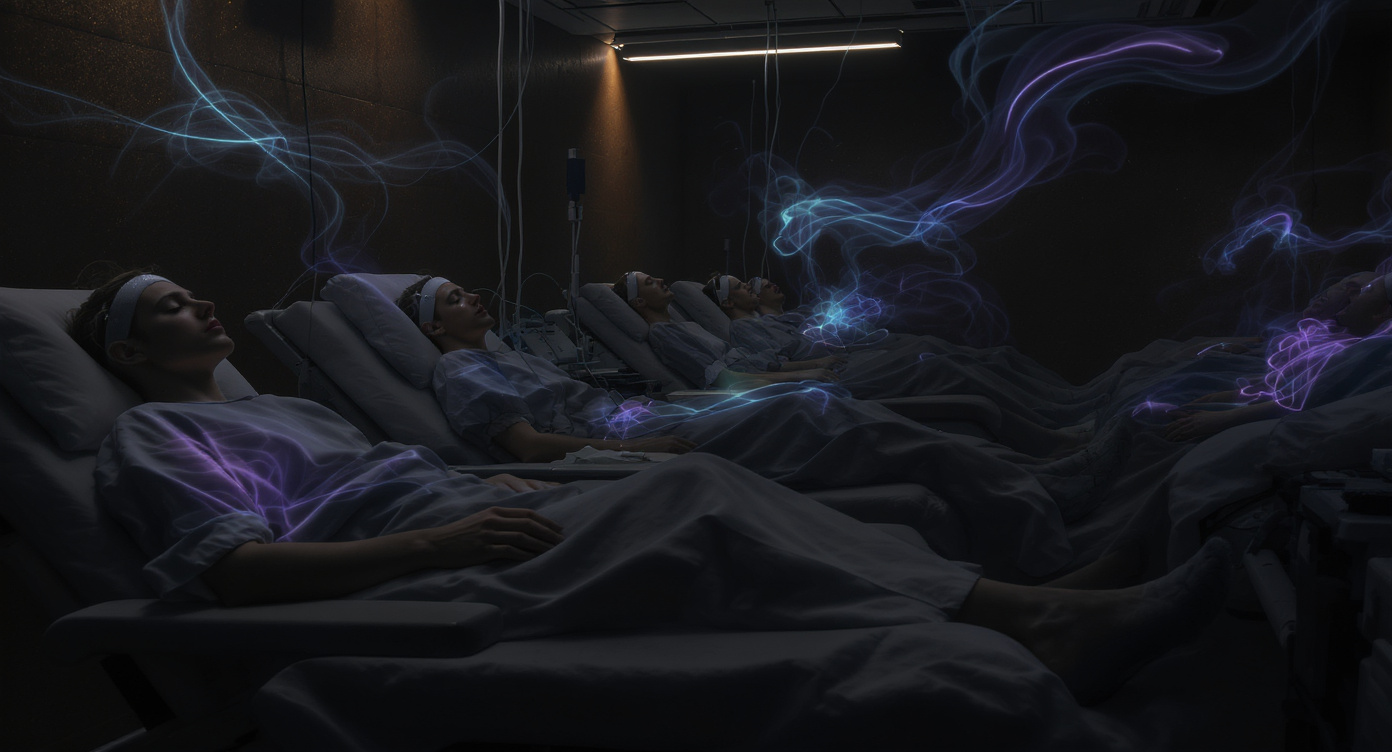
A new study has shown that vivid and immersive dreams can actually enhance the feeling of deep, restorative sleep rather than disrupt it. This discovery helps to better understand the subjective perception of sleep quality and its connection to mental well-being.
A new study has shown that closing your eyes does not help you better distinguish faint sounds in a noisy environment. On the contrary, visual cues—especially dynamic ones—actually improve how we perceive sounds.
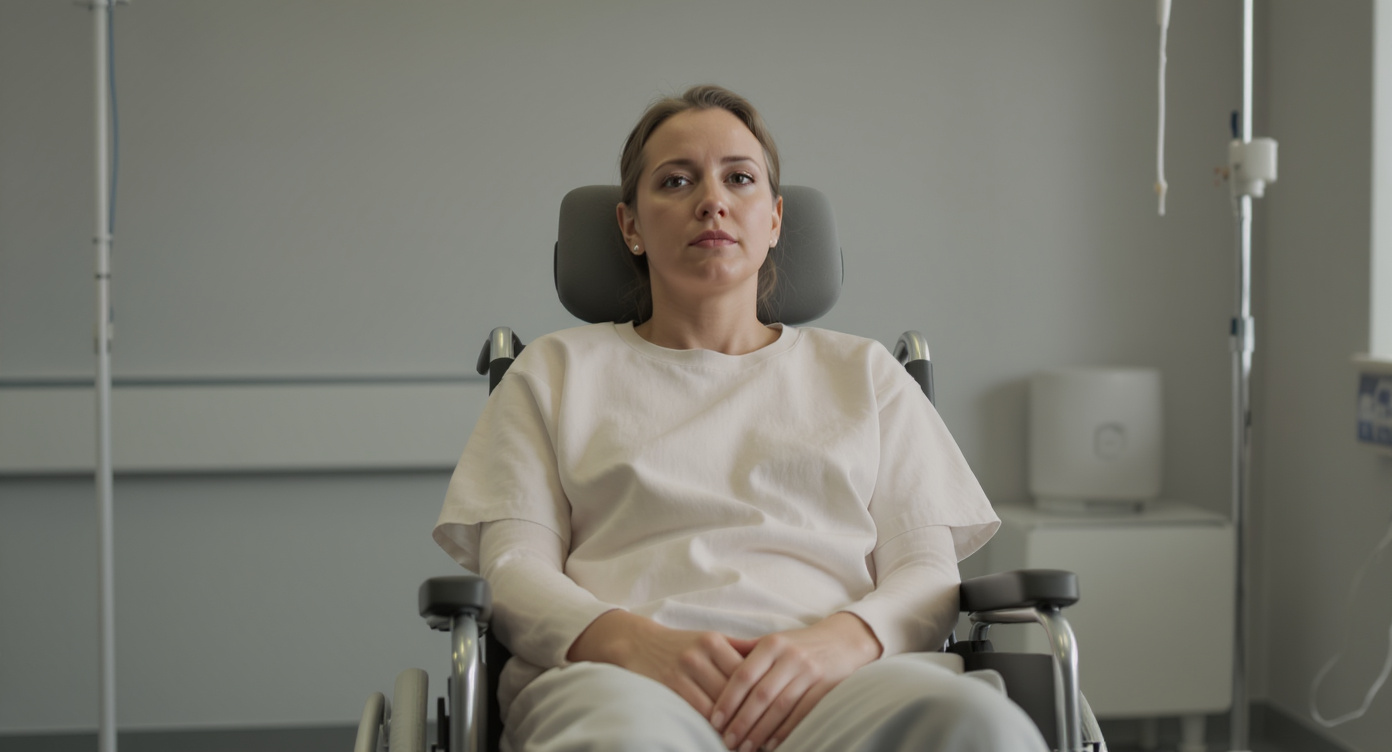
Scientists are exploring the possibility of using EEG to restore movement in people with spinal cord injuries, offering a non-invasive alternative to implants. This method already allows researchers to detect attempts at movement, and there are plans to further develop it for controlling limb stimulators.

 Salus
Salus