

Caffeine reduces sleep quality even without causing insomnia
Recent studies show that caffeine can reduce sleep quality and hinder the body's recovery, even if a person falls asleep on time and does not notice any obvious sleep disturbances. The response to caffeine is individual and depends on many factors.
Salus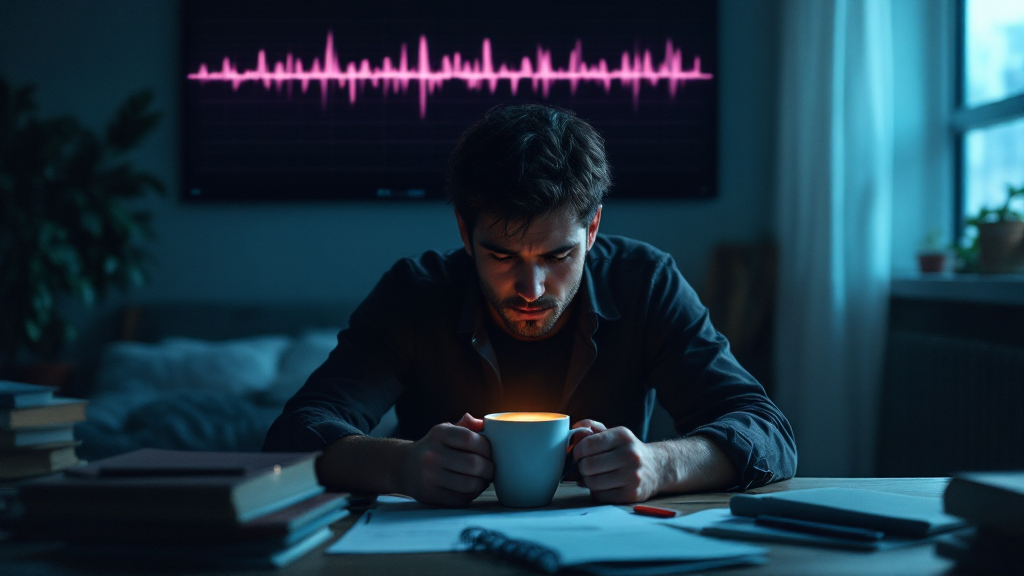
The question of whether drinking coffee in the evening interferes with falling asleep has been debated for many years. Some people can consume caffeine late in the day and still fall asleep easily, while others experience difficulty drifting off. Recent studies show that it’s important to consider not only how caffeine affects the time it takes to fall asleep, but also its impact on the brain after sleep begins.
Methods for Studying Caffeine’s Effect on Sleep
To analyze how caffeine influences sleep, researchers use electroencephalography (EEG), which records the brain’s electrical activity. EEG allows scientists to measure not only the duration of sleep and the frequency of awakenings, but also to assess the biological quality and depth of sleep. Traditional sleep assessment focuses on sleep length and stages, while quantitative EEG analysis can detect more subtle changes, such as a reduction in slow-wave activity—a key indicator of deep, restorative sleep. Slow waves are characteristic of deep sleep, which is linked to physical recovery, energy replenishment, and maintaining healthy brain function.
The Impact of Caffeine on Sleep Quality
Caffeine can reduce the restorative properties of sleep. Its effects are not always obvious: a person may fall asleep at their usual time and sleep through the night, yet the quality of rest may be diminished. Caffeine can shorten sleep duration or make it harder to fall asleep, and it can also decrease slow-wave activity and shift EEG patterns toward a more wakeful brain state. As a result, someone might spend eight hours in bed but not achieve the necessary level of neurological recovery. These changes don’t always cause noticeable awakenings and may go undetected. Subjective feelings of a good night’s sleep do not always match objective neurophysiological indicators: a person may not remember waking up, but their brain may show fewer signs of deep sleep.
Individual Differences in Caffeine Response
Research shows that people respond to caffeine differently. Genetics, metabolism, age, stress levels, and chronic fatigue can all influence how caffeine affects sleep. For some, even coffee consumed in the morning can impact how they feel at night. It’s important to consider not just coffee consumed before bed, but also the total daily caffeine intake and how quickly it is cleared from the body. This is especially relevant for those who use caffeine to boost concentration, endurance, or productivity, including athletes, people with mentally demanding jobs, and anyone who regularly consumes coffee or other caffeinated products to stay alert.
The Vicious Cycle of Fatigue
Caffeine temporarily increases alertness and reduces feelings of tiredness, but this effect sometimes comes at the cost of less effective nighttime recovery. In this sense, caffeine can be compared to “borrowing energy” from the body. If nighttime recovery becomes less efficient, a person may feel more tired the next day and reach for caffeine again. This cycle can lead to increased fatigue, a greater need for stimulation, and a decline in sleep quality.
Modern Approaches to Sleep Assessment
Because of these findings, researchers are increasingly focusing not just on how long people sleep, but also on what happens in the brain at night and how well sleep actually restores the body. Caffeine is a biologically active substance whose effects depend on dose, time of day, age, lifestyle, sleep quality, stress level, and individual sensitivity.