A clinical study has shown that reducing the consumption of processed foods, snacks, and fast food significantly decreases symptoms of depression and anxiety in adults with chronic disorders.
A new study has shown that vivid and immersive dreams can actually enhance the feeling of deep, restorative sleep rather than disrupt it. This discovery helps to better understand the subjective perception of sleep quality and its connection to mental well-being.
A new study has shown that AI chatbots designed to support mental health often violate professional and ethical standards, even when provided with specific guidelines. Experts emphasize the need for rigorous evaluation and regulation of such systems before they are used in critical situations.
A new study has shown that dreams guided by sound cues can help solve puzzles. These findings support the idea that sleep can be beneficial for problem-solving and creative thinking.
Reducing the amount of time spent watching television and replacing it with physical activity, sleep, or other activities can significantly lower the risk of severe depression, especially among middle-aged individuals. The greatest benefit comes from engaging in sports.
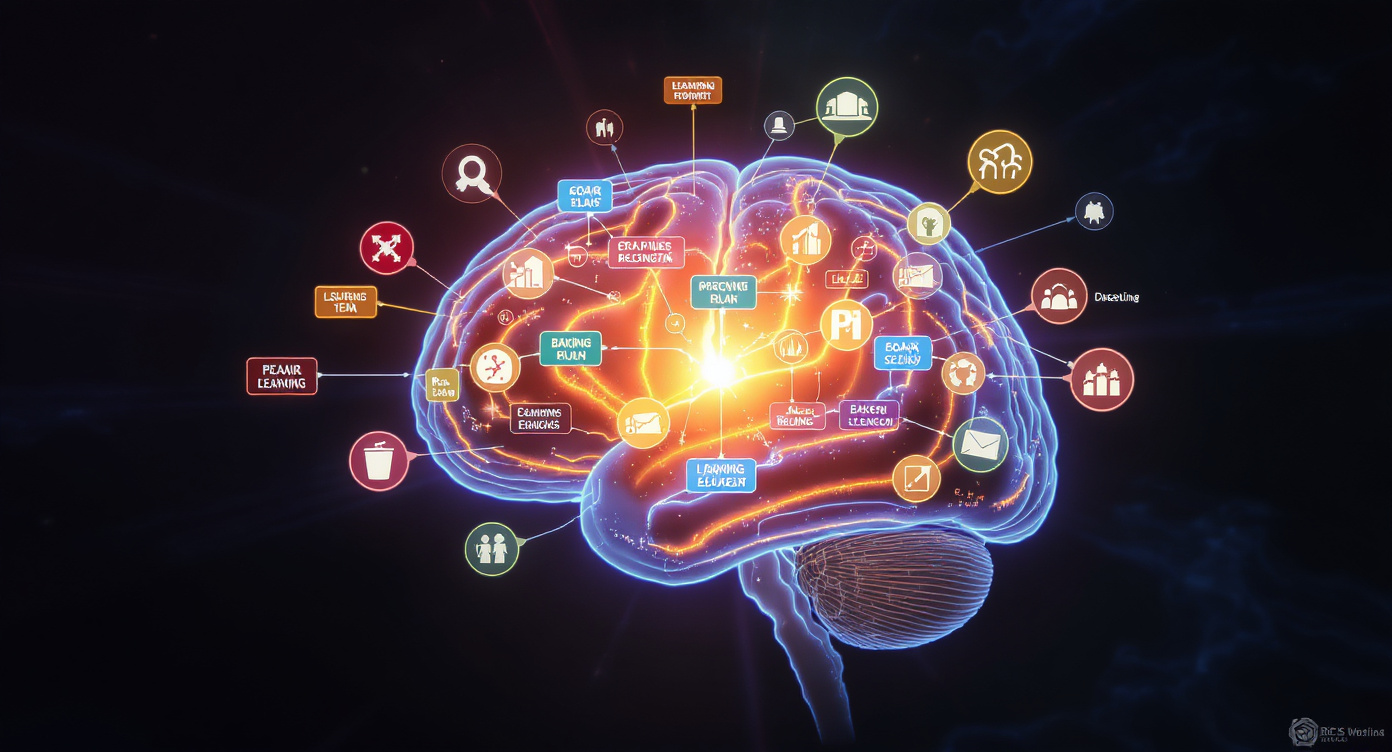
A new study has shown that the human brain quickly adapts to new tasks thanks to its ability to flexibly combine existing skills—something that current AI systems are still unable to do. These findings could help advance artificial intelligence and improve therapies for cognitive disorders.


 Salus
Salus