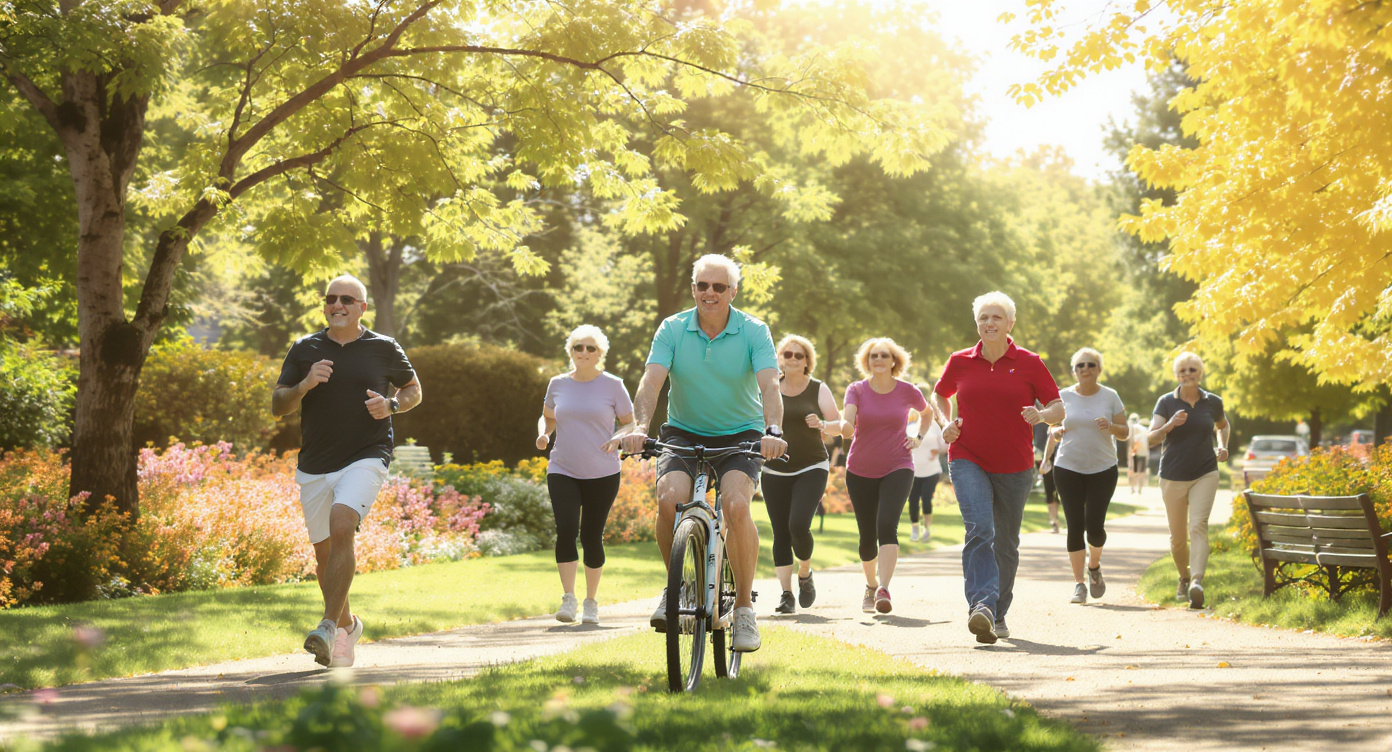
Short but intense sprints trigger significant molecular changes associated with improved metabolic health and slower aging, surpassing the effects of moderate exercise. The study highlights the importance of exercise intensity in disease prevention.
A new study has shown that adults need three to four times more physical activity than current guidelines recommend to significantly reduce the risk of heart attack and stroke. This is especially important for people with low endurance.
Despite the popularity of high-protein foods, research shows that for most sedentary adults, reducing protein intake may actually be more beneficial and contribute to longevity. The optimal amount of protein depends on age and level of physical activity.
A new study has shown that a single 75-minute session of interval walking per week can be just as effective for reducing body fat and improving physical fitness as three separate workouts. This approach could be a practical alternative for busy people who are overweight.
A large study has shown that a Mediterranean diet with calorie control, regular physical activity, and professional support reduces the risk of type 2 diabetes by 31% in people who are overweight. This approach also helps with weight loss and decreases waist circumference.
Long-term engagement in various forms of physical activity is associated with increased life expectancy and a reduced risk of death from different causes. The greatest benefits come not only from the amount of exercise, but also from incorporating a variety of activities.
Just a few minutes of vigorous physical activity each day can significantly reduce the risk of developing serious illnesses, including diabetes, dementia, and heart disease. Even short bursts of activity, such as brisk walking or climbing stairs, provide noticeable health benefits.
Regular physical exercise is recognized as the most effective way to combat osteoarthritis, helping to reduce pain and maintain joint health. Nevertheless, it is rarely prescribed as the primary treatment, even though movement can slow the progression of the disease and improve overall well-being.
Reducing the amount of time spent watching television and replacing it with physical activity, sleep, or other activities can significantly lower the risk of severe depression, especially among middle-aged individuals. The greatest benefit comes from engaging in sports.
Physical activity is beneficial for your health, but to effectively lose weight, it's important to combine exercise with proper nutrition control. The body compensates for some of the energy expended, so exercise alone is often not enough.
A new study has found that the astringent taste of cocoa and berries can stimulate the brain, enhancing attention, memory, and stress response—much like a gentle workout for the nervous system.
Regular physical exercise can moderately reduce symptoms of depression, offering an effect comparable to psychotherapy and antidepressants. However, the long-term benefits and the most effective types of activity still require further research.
Involving a partner in cardiac rehabilitation helps patients better maintain a healthy lifestyle and adhere to their treatment regimen, but it does not affect the quality of the couple's relationship.
Prolonged exposure to polluted air significantly reduces the positive effects of regular physical exercise, especially when PM2.5 particle levels are high. Nevertheless, physical activity remains beneficial, and improving air quality can greatly enhance its health benefits.
A new study has found that shift work, especially night shifts, is linked to a higher risk of developing kidney stones. The risk is particularly elevated among young people and those who lead a sedentary lifestyle.


 Salus
Salus