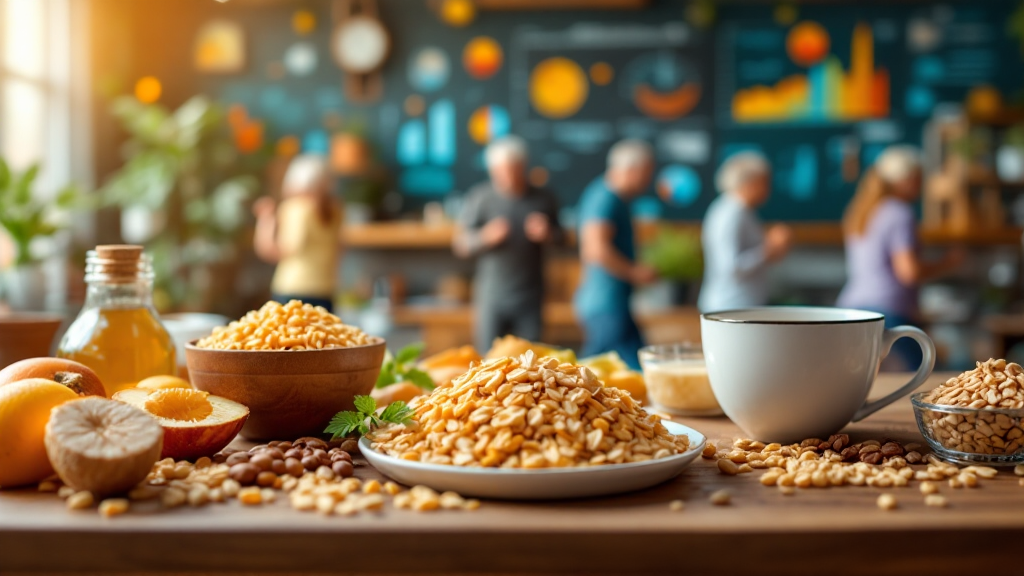
Arginine plays an important role in supporting the immune system and protein synthesis, and its deficiency can increase the risk of developing cancer and viral infections. Studies show that adequate intake of arginine helps strengthen the body's defenses and may be beneficial for the prevention and treatment of various diseases.
Despite the popularity of high-protein foods, research shows that for most sedentary adults, reducing protein intake may actually be more beneficial and contribute to longevity. The optimal amount of protein depends on age and level of physical activity.
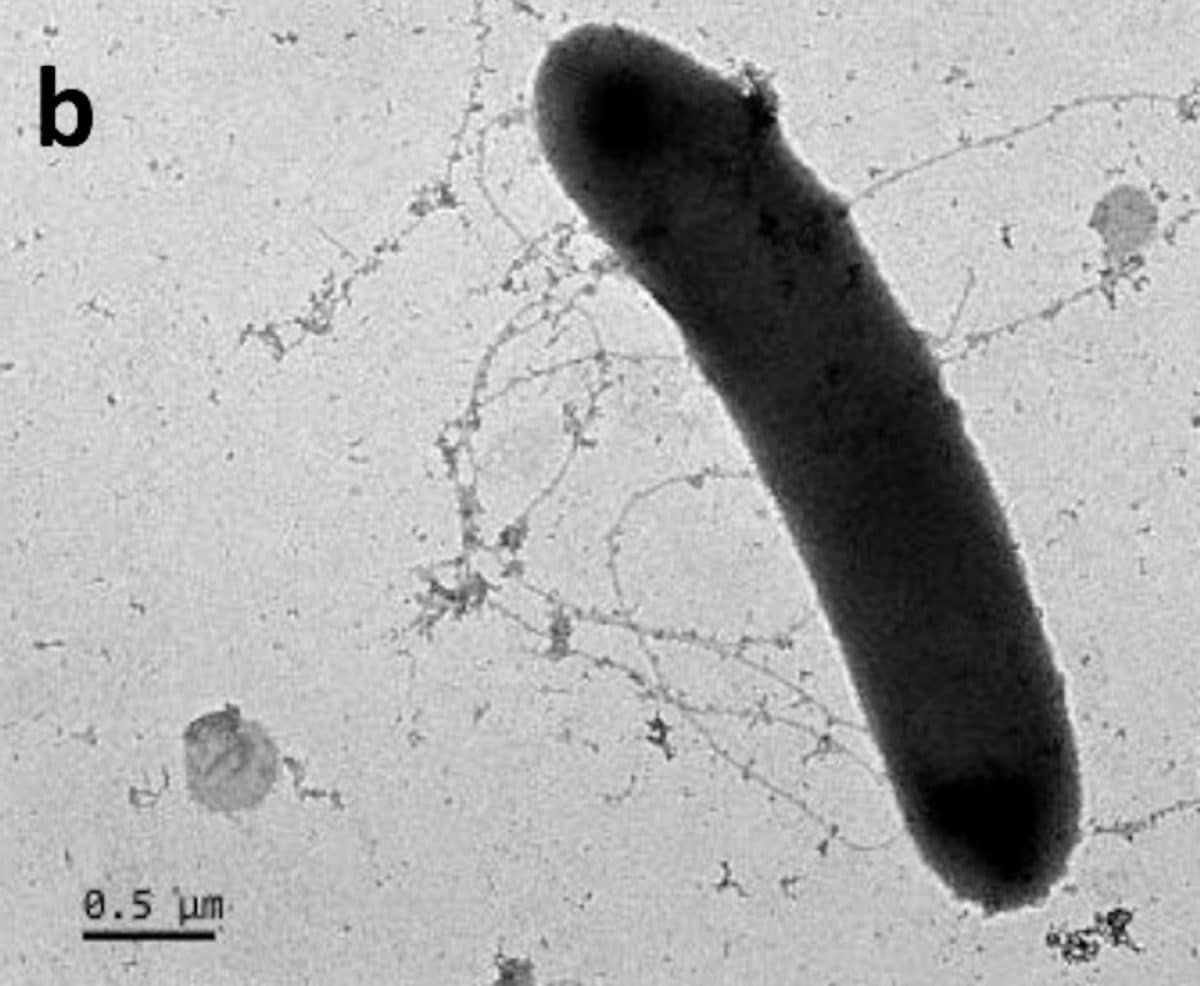
A study has shown that the bacterium Roseburia inulinivorans helps increase muscle mass and strength in elderly people. This microorganism is considered a promising basis for probiotics aimed at combating age-related frailty.
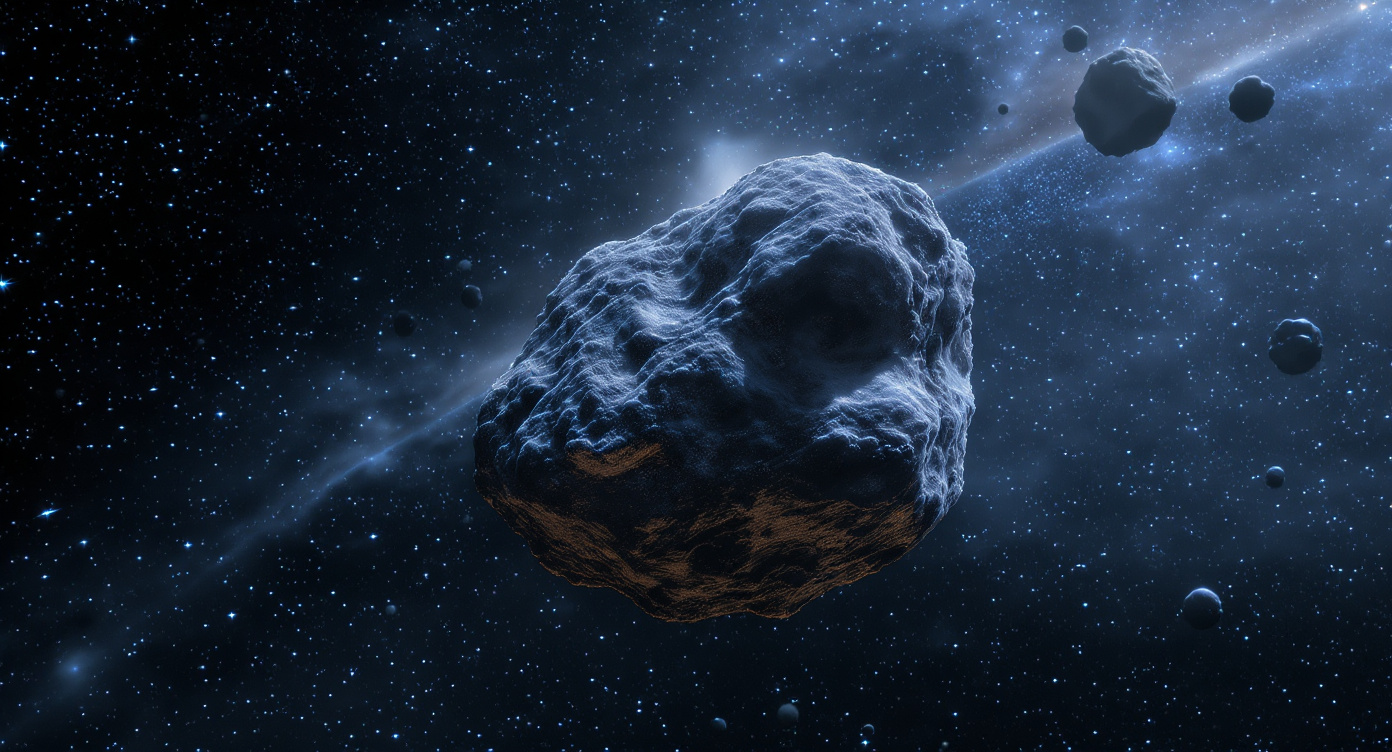
An analysis of soil from the asteroid Bennu has shown that amino acids can form in extremely cold conditions, not just in hot interiors. This discovery broadens our understanding of the possible pathways for the emergence of life in the universe.
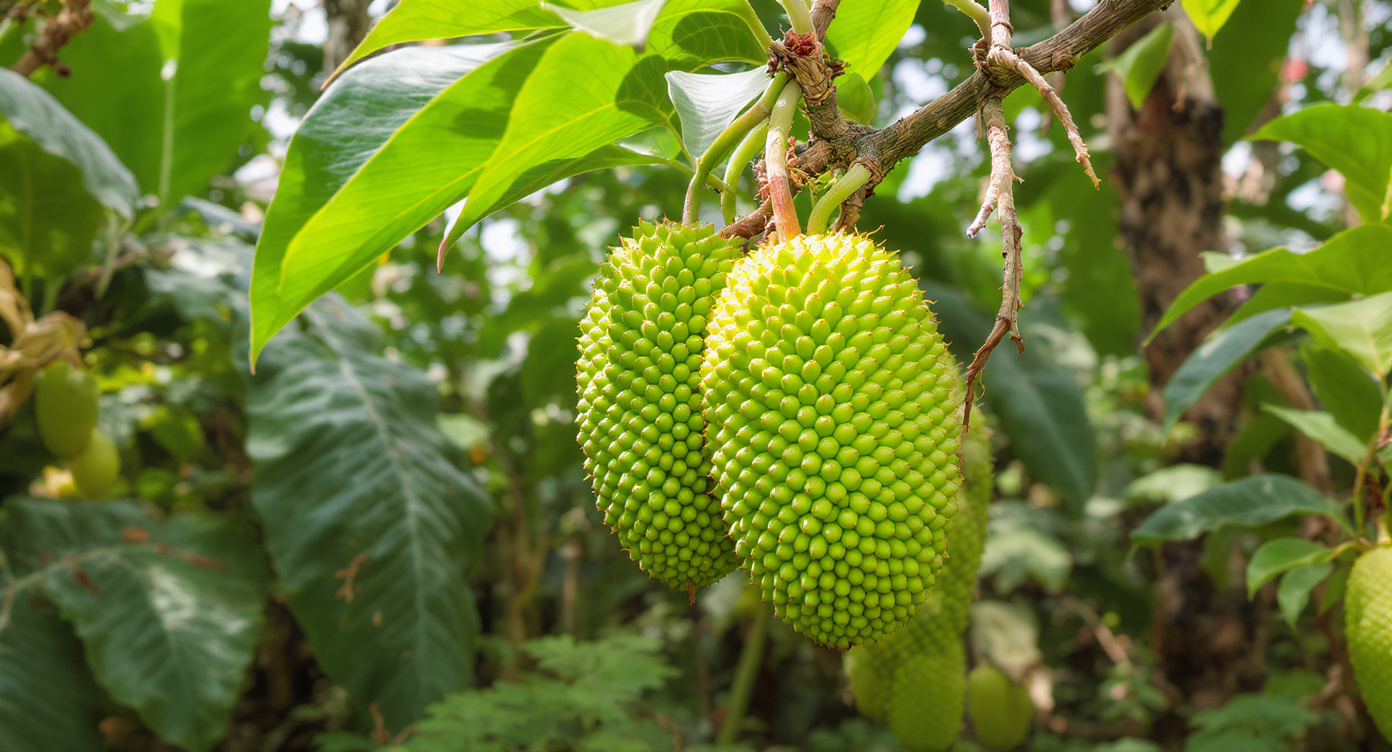
Monk fruit is not only a natural, low-calorie sweetener, but also a source of antioxidants, plant metabolites, and amino acids that can help support overall health.
A new study has revealed that hagfish, among the oldest vertebrates, possessed a complex sense of smell. This discovery changes our understanding of how sensory organs developed in early animals.
Scientists have discovered a molecular switch that enables plants to enter into symbiosis with nitrogen-fixing bacteria. This breakthrough could pave the way for the development of cereal crops capable of supplying themselves with nitrogen, thereby reducing agriculture's reliance on fertilizers.
Scientists have analyzed data on possible extraterrestrial life and discovered complex organic compounds, including DNA components, in the Orgueil and Murchison meteorites. While the question of the existence of alien microbes remains open, research confirms that the "ingredients" for life can form in space.
Scientists have discovered that unusual crystals may form on Titan, combining both polar and nonpolar substances, which defies traditional chemical rules. These structures could play a significant role in the moon's mineralogy and help explain the unique features of its landscape.

 Salus
Salus