A clinical study has shown that reducing the consumption of processed foods, snacks, and fast food significantly decreases symptoms of depression and anxiety in adults with chronic disorders.
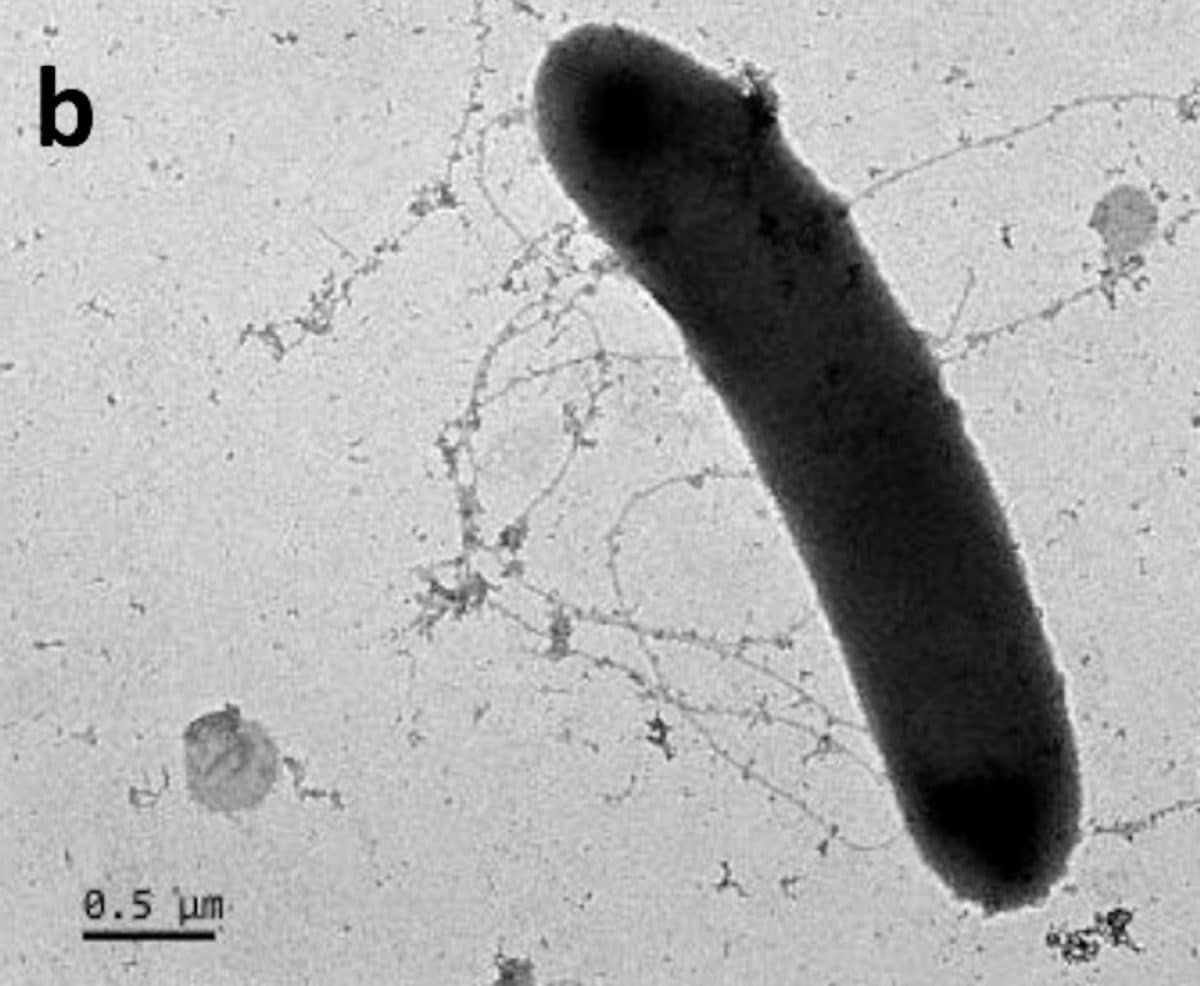
A study has shown that the bacterium Roseburia inulinivorans helps increase muscle mass and strength in elderly people. This microorganism is considered a promising basis for probiotics aimed at combating age-related frailty.
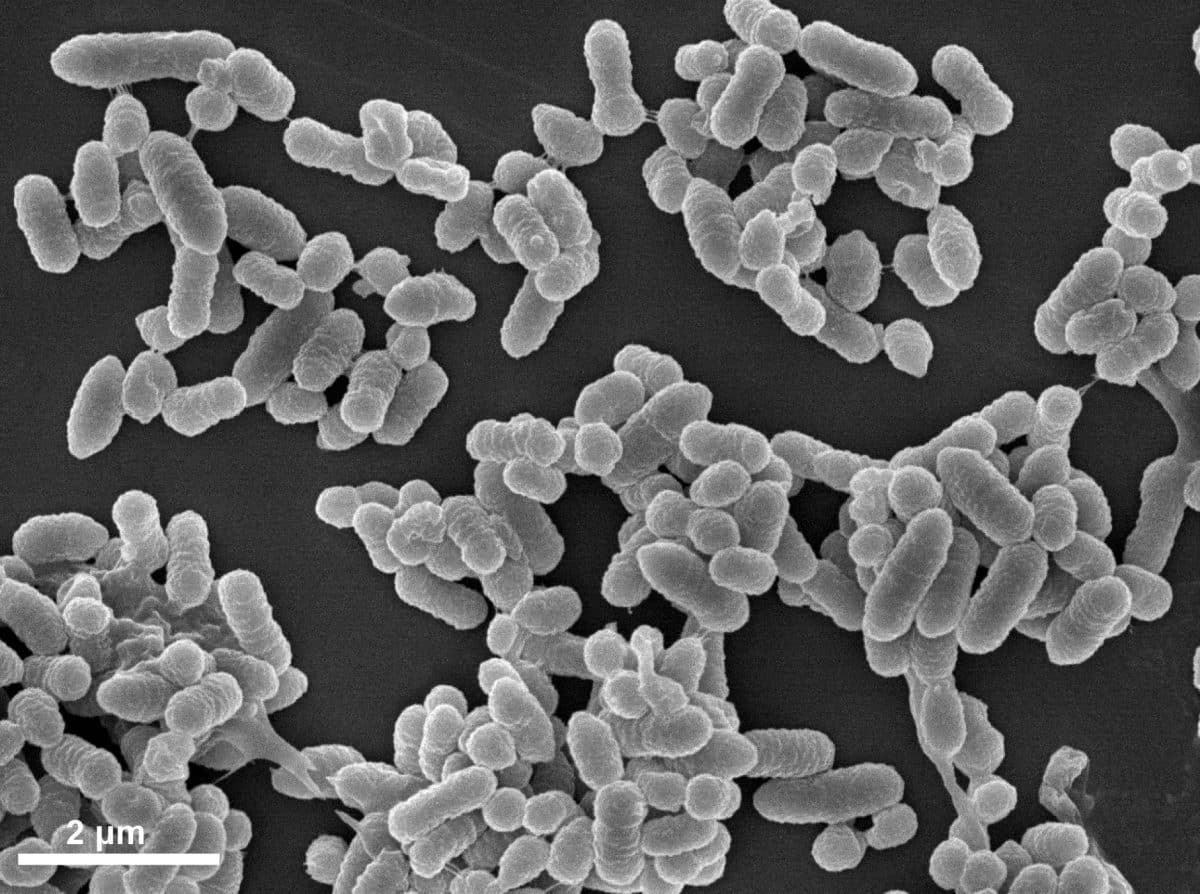
Japanese biologists have discovered that the interaction between two types of gut bacteria can destroy the protective mucous layer, leading to the development of chronic constipation. This finding offers a new approach to treatment, especially for patients who do not respond to laxatives.
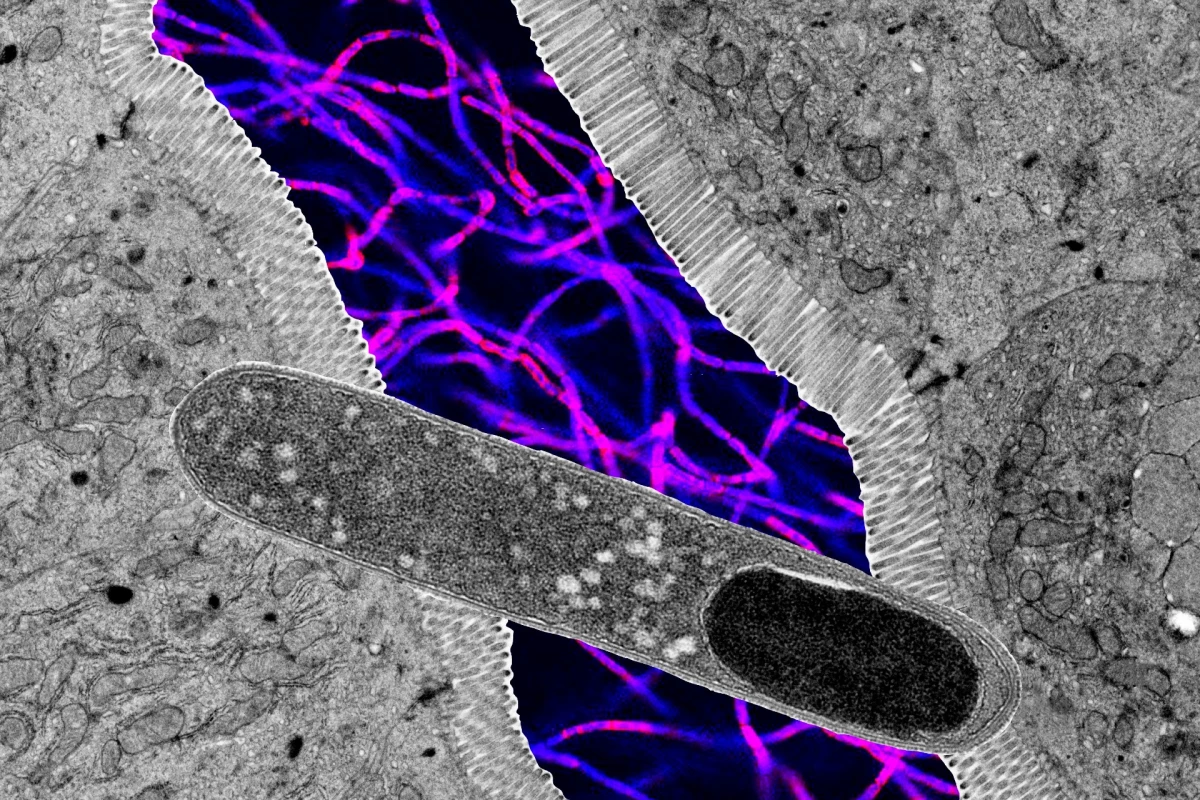
Scientists have discovered a gut microbe called Turicibacter that helps prevent fat accumulation even on a high-fat diet. This finding could lead to new ways to combat excess weight.
Scientists have identified molecules produced by the gut that influence metabolism and blood sugar levels through the liver. This discovery could lead to new approaches in the treatment of obesity and type 2 diabetes.
Scientists have discovered that gut microbes can protect the body from diabetes by reducing inflammation and improving insulin sensitivity through the processing of dietary choline. This finding could lead to new strategies for preventing and treating diabetes through nutrition and microbiome management.
Researchers have discovered that the veterinary antibiotic cephaloridine can stimulate gut bacteria to produce compounds that slow down aging in animals. This finding could change the approach to developing life-extending drugs that target the gut microbiome.


 Salus
Salus