

A unique microbe helps prevent weight gain
Scientists have discovered a gut microbe called Turicibacter that helps prevent fat accumulation even on a high-fat diet. This finding could lead to new ways to combat excess weight.
Salus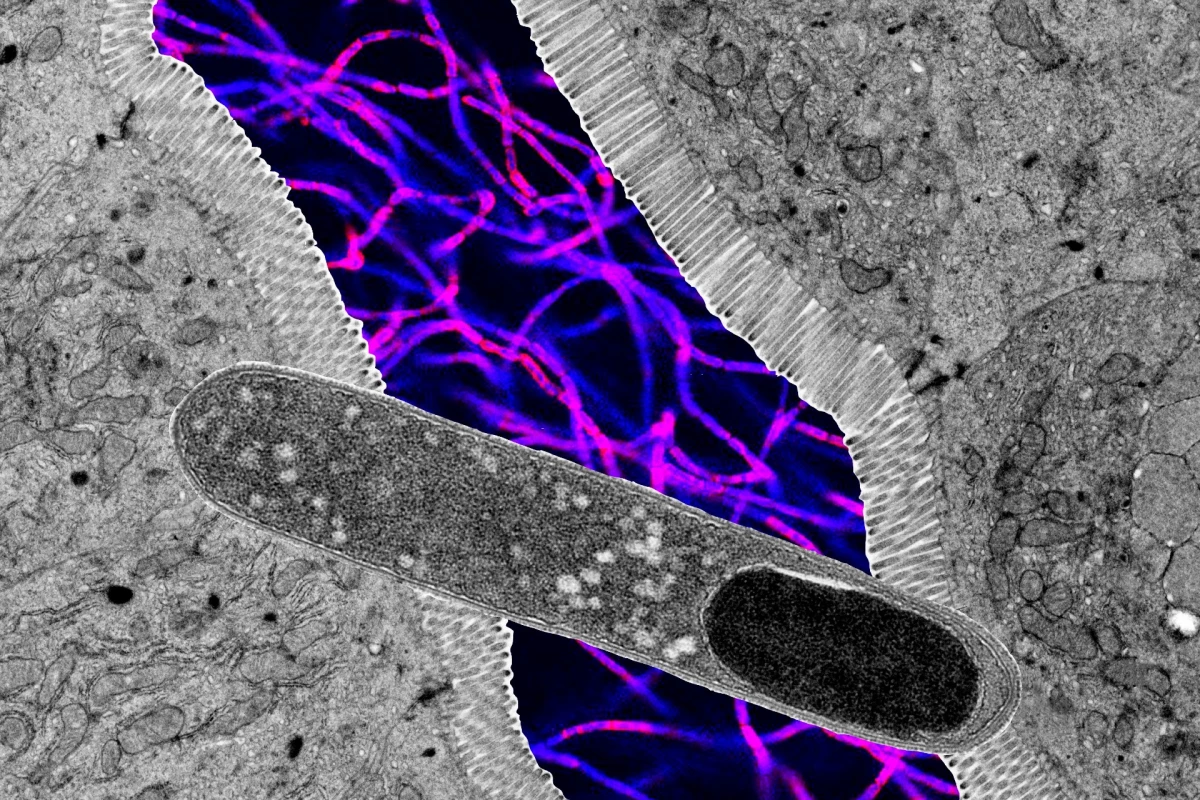
Researchers have discovered a unique gut microbe capable of preventing fat gain even on a high-fat diet. This finding adds to the rapidly growing field of science exploring how microbes already living in our bodies can help improve health.
The Role of the Microbiome in Weight Control
It has long been known that the gut microbiome—a community of bacteria, viruses, fungi, and other microorganisms inhabiting the intestines—can influence weight gain or loss. However, pinpointing exactly which members of this community are responsible for specific effects is often challenging. Many microbes do not survive well outside the body, so studying them requires working in airtight conditions, as oxygen can be lethal to them. This makes research both labor-intensive and time-consuming.
The Discovery of Turicibacter
Scientists at the University of Utah managed to narrow down a list of about 100 bacteria suspected of playing a role in weight control to a single one—Turicibacter. In experiments with mice fed a high-fat diet and simultaneously given Turicibacter, researchers observed lower blood sugar and fat levels, as well as less overall weight gain compared to the control group.
Professor of Microbiology and Immunology June Round remarked, “I didn’t expect one microbe to have such a pronounced effect—I thought it would require a mix of several.” Kendra Klatt, the study’s lead author, also highlighted the remarkable results: mice with Turicibacter remained lean and healthy.
How It Works: Breaking the Vicious Cycle
Turicibacter’s effectiveness is linked to its impact on fatty molecules called ceramides. On a high-fat diet, ceramide levels rise, which increases fat absorption in the gut and promotes fat accumulation in the body. Additionally, ceramides raise blood sugar levels, which can lead to insulin resistance. Elevated ceramide levels are associated with type 2 diabetes and cardiovascular diseases, and in some studies, they have proven to be better predictors of heart risk than LDL cholesterol.
Paradoxically, Turicibacter also produces lipids in the gut. However, its molecules, in contrast, suppress ceramide growth even with high fat intake. If Turicibacter disappears (which often happens with obesity), its protective effect is lost. Regular introduction of Turicibacter maintained high levels of its beneficial lipids, and the mice stayed slim.
Implications for Humans
Scientists acknowledge that it is still unclear whether these results will be replicated in humans, but they note the potential of this approach for developing new methods to combat excess weight. Round emphasizes, “Identifying exactly which lipid has this effect is one of the most important tasks for the future, both scientifically and therapeutically. Perhaps we can use this bacterial lipid, which is already present in the gut and has virtually no side effects, to help maintain a healthy weight.”
Kendra Klatt adds, “Further study of individual microbes will allow us to turn them into medicines and select bacteria that are safe and can form a consortium for people with various diseases who lack these microbes.”
The study was published in the journal Cell Metabolism.