

Scientists have uncovered a bacterial cause of chronic constipation
Japanese biologists have discovered that the interaction between two types of gut bacteria can destroy the protective mucous layer, leading to the development of chronic constipation. This finding offers a new approach to treatment, especially for patients who do not respond to laxatives.
Salus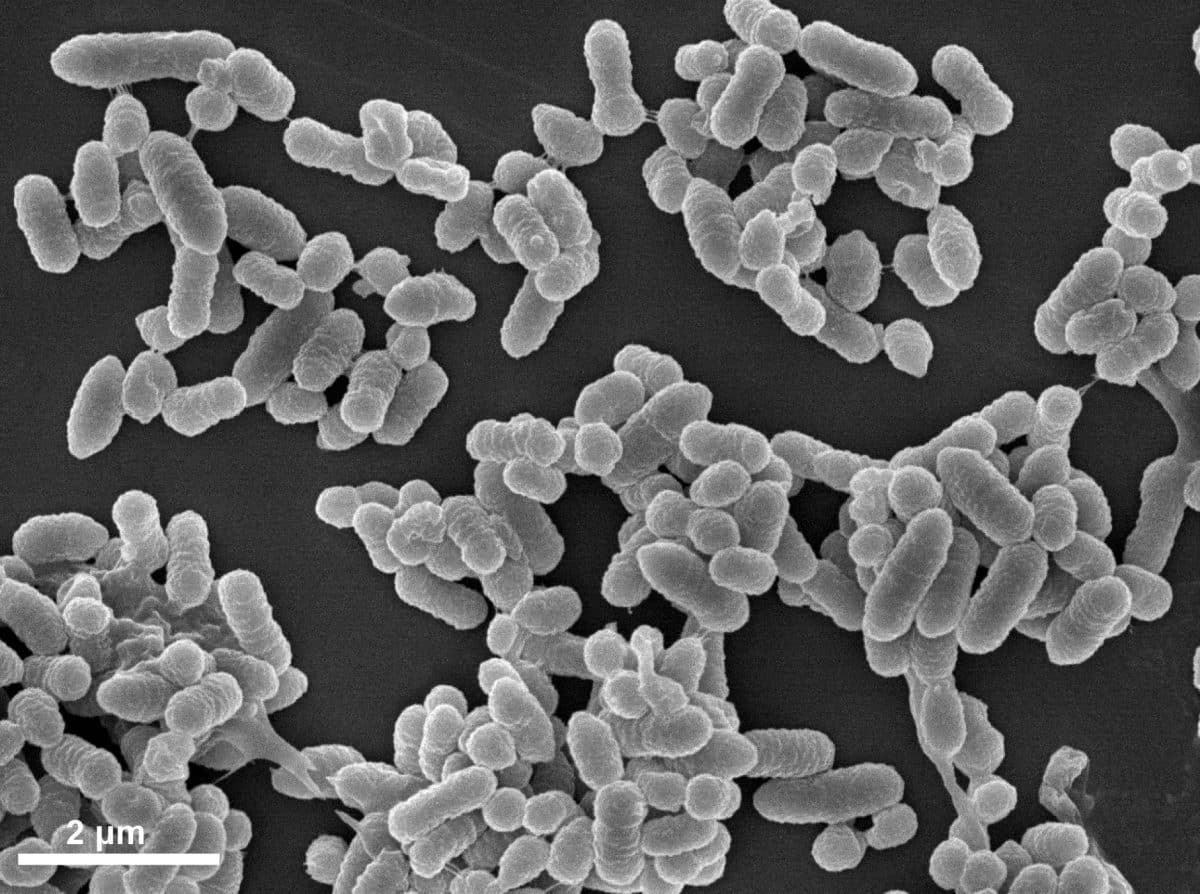
A group of Japanese biologists has discovered a new mechanism behind the development of constipation, linked to the interaction between two common types of gut bacteria—Akkermansia muciniphila and Bacteroides thetaiotaomicron. When both microorganisms are present in the intestine, they break down the mucin layer, which serves as a protective mucus barrier in the colon. The loss of this layer leads to reduced natural lubrication, accelerated water absorption, dehydration, and difficulty passing stool.
Chronic Constipation and Its Features
Chronic constipation is often observed in patients with Parkinson's disease, sometimes appearing decades before the main symptoms of the illness. Typically, constipation is attributed to nervous system dysfunction and impaired gut motility. However, laxatives do not always produce the expected results, suggesting that additional mechanisms unrelated to motility may contribute to constipation.
The Role of Akkermansia and Bacteroides Bacteria
Previous studies have noted increased levels of Akkermansia bacteria in patients with Parkinson's disease, but their impact on stool consistency remained unclear, as this microbe is generally considered beneficial for metabolism. In fact, Akkermansia-based supplements are even marketed as weight-loss aids.
Microbiota Research and Animal Experiments
In a study published in the journal Gut Microbes, researchers analyzed the microbiota of 231 Parkinson's patients and 54 individuals with chronic idiopathic constipation. They also used gnotobiotic mice—sterile animals whose intestines were colonized with specific combinations of microbes. To test the role of certain proteins, a mutant strain of B. thetaiotaomicron lacking the anSME gene, which is responsible for activating sulfatases (enzymes that break down the protective sulfate shell of intestinal mucus), was created.
The researchers compared the condition of animals colonized with only one bacterial species to those given both species simultaneously. They measured stool moisture, the number of fecal pellets, and analyzed the transcriptome of intestinal contents. To assess the state of the mucosal barrier, they used fluorescent tissue staining and special plasma markers.
Experimental Results
The experiments showed that neither Akkermansia nor Bacteroides alone caused stool problems in animals. The pathological effect occurred only when both species were present: Bacteroides, using sulfatases, destroyed the protective groups of mucin, after which Akkermansia broke down the mucus protein. As a result, the intestine lost its ability to retain water, stool moisture decreased, and the number of pellets increased. In mice given the mutant Bacteroides strain without sulfatases, constipation did not develop even in the presence of Akkermansia.
A New Approach to Understanding Constipation
The study introduces the concept of "bacterial constipation," in which commensal microbes deprive the intestine of essential lubrication. Mucinous mucus in the colon acts as a lubricant, and its destruction leads to increased friction and rapid water loss from fecal matter. The researchers suggest that blocking bacterial sulfatases or specifically suppressing the activity of certain strains could become a promising treatment method for patients who do not respond to laxatives.