

Gut Microbiome: A New Approach to Diabetes Prevention
Scientists have discovered that gut microbes can protect the body from diabetes by reducing inflammation and improving insulin sensitivity through the processing of dietary choline. This finding could lead to new strategies for preventing and treating diabetes through nutrition and microbiome management.
Salus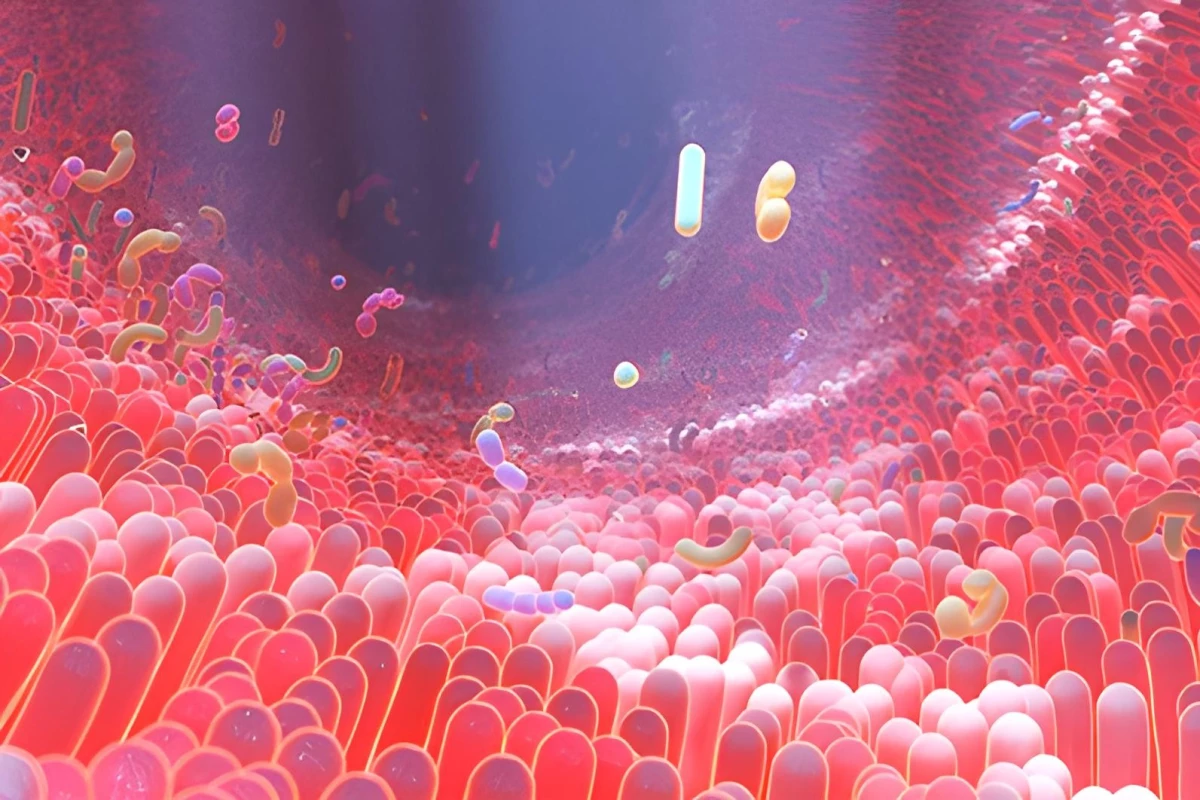
Research increasingly confirms that the gut microbiome plays a crucial role in protecting the body from various diseases. Scientists have discovered that certain nutrients from food can stimulate gut bacteria to produce compounds that help regulate insulin levels.
A New Perspective on Treatment Through the Microbiome
Traditionally, medicine has focused on external interventions—such as medications and procedures. However, today, more and more studies are dedicated to exploring how our own gut microbes can be harnessed to synthesize substances needed to fight diseases. For example, recent findings have shown that an antibiotic used in veterinary medicine can prompt gut microbes in mice to produce colonic acid—a compound that extends lifespan.
How Microbes Help Combat Diabetes
A team of researchers from Imperial College London has identified another mechanism by which the microbiome can protect the body. They found that gut bacteria are capable of reducing inflammation caused by a high-fat diet, regulating the body's response to insulin, and thereby preventing the development of diabetes.
Consuming fatty foods regularly leads to chronic inflammation due to hormonal imbalances, disruptions in immune signaling, and cellular stress. This inflammation causes insulin resistance—a condition in which cells stop responding properly to insulin, which is necessary for glucose absorption. As a result, type 2 diabetes develops: blood sugar levels rise, and the pancreas cannot produce enough insulin to compensate.
The Role of IRAK4 Protein and Choline
Scientists have determined that one of the key links in the chain of negative effects from a high-fat diet is the immune system protein IRAK4, which triggers inflammation. If this protein remains active for too long, it leads to insulin resistance and diabetes.
However, researchers have found a way to "switch off" IRAK4. Experiments on mice, human cell models, and through molecular screening have shown that when choline from food enters the gut, microbes convert it into the metabolite trimethylamine (TMA). TMA binds to IRAK4, blocks its activity, reduces inflammation, and restores insulin sensitivity.
Choline is found in many foods, especially eggs, organ meats, fish, milk and dairy products, as well as beef, pork, and chicken.
Prospects for Prevention and Treatment
The study's lead author, Marc-Emmanuel Dumas, notes: “We have demonstrated that a molecule produced by our gut microbes can protect against the harmful effects of poor diet through a newly discovered mechanism. This changes our understanding of the microbiome’s role in our health.”
Scientists have shown not only the impact of dietary choline on insulin sensitivity, but also that blocking IRAK4 with drugs or genetic modifications produces a similar effect. According to the researchers, this discovery could lead to new ways to treat diabetes caused by high-fat diets—either through dietary changes or the development of new medications.
Co-author Peter Liu from the University of Ottawa Heart Institute emphasizes: “Given the growing global threat of diabetes and its serious complications, new solutions are urgently needed. Our work, which links the Western diet, TMA produced by the microbiome, and its effect on the immune switch IRAK4, could open up entirely new avenues for the treatment and prevention of diabetes—a known risk factor for cardiovascular disease.”
The study was published in the journal Nature Metabolism.