

Monk fruit: more than just a natural sweetener
Monk fruit is not only a natural, low-calorie sweetener, but also a source of antioxidants, plant metabolites, and amino acids that can help support overall health.
Cursus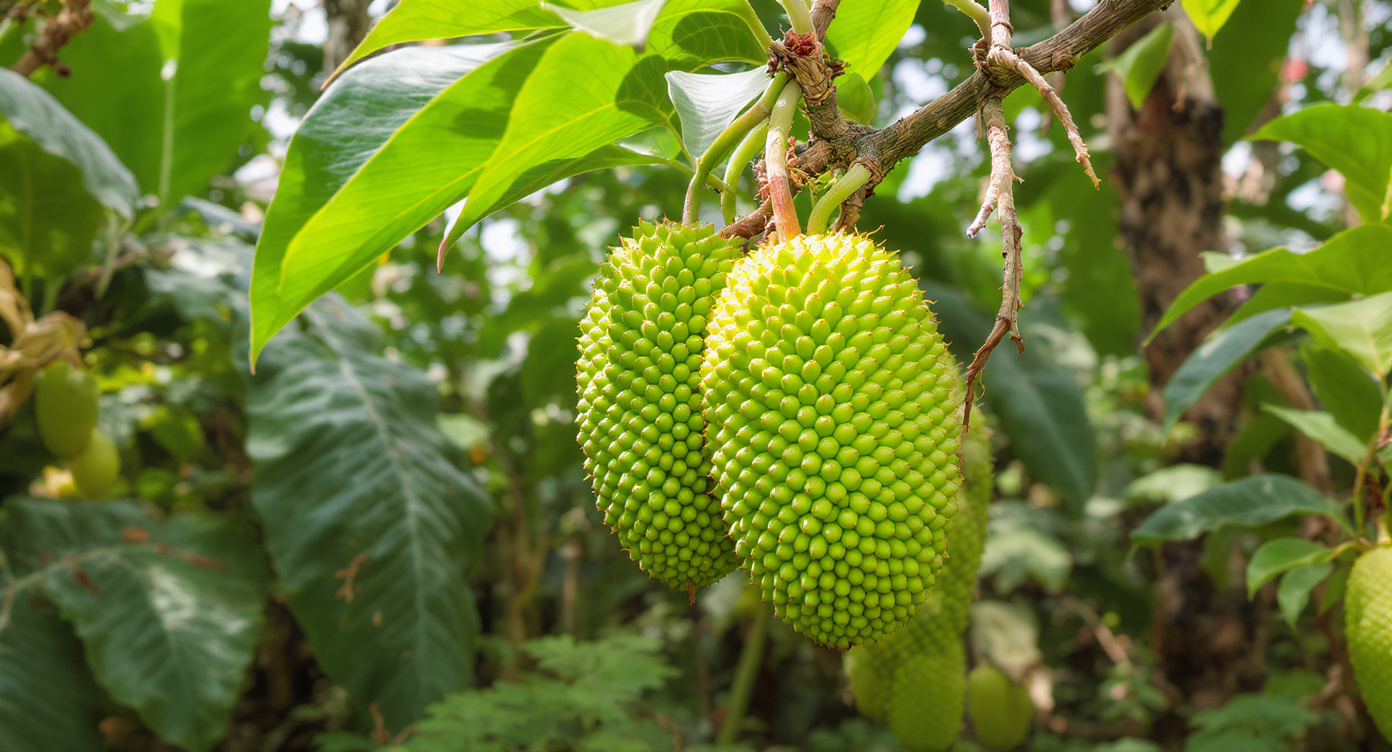
Monk Fruit: Hidden Health Benefits and Biological Activity
Monk fruit, also known as Luo Han Guo (Siraitia grosvenorii), is a perennial vine from the gourd family, which also includes cucumbers and zucchinis. Native to southern China, this fruit has been used for centuries in traditional cuisine and medicine. In recent years, it has attracted the attention of modern scientists due to its high content of antioxidants and plant compounds that interact with key biological pathways affecting health.
Biologically Active Compounds in Monk Fruit
Research shows that different varieties of monk fruit may possess unique properties beyond its natural sweetness. Recent findings published in the Journal of the Science of Food and Agriculture detail the chemical compounds that make this fruit biologically active and potentially beneficial for health.
One of the key features of monk fruit is its abundance of so-called secondary metabolites—natural plant substances that are not required for basic plant growth but play an important role in its defense, color, flavor, and can also impact human health. Scientists highlight three main groups of these compounds:
- Terpenoids — Substances commonly found in plants, known for their antioxidant and anti-inflammatory properties.
- Flavonoids — A large class of plant compounds recognized for their ability to neutralize free radicals and support heart health and metabolism.
- Amino acids — The building blocks of proteins, essential for numerous processes in the body, including tissue repair and immune system function.
Researchers studied both the peel and pulp of four different Luo Han Guo varieties to determine where these compounds are most concentrated and how they manifest their biological effects.
Interaction with Biological Systems
Beyond identifying the composition, scientists have explored how these substances interact with antioxidant receptors and other biological targets. Receptors are structures in cells that receive chemical signals and trigger reactions in the body. Such interactions influence various biological pathways that regulate inflammation, metabolism, and cellular protection. Understanding these processes helps explain why monk fruit may offer health benefits that go beyond its use as a natural sweetener.
Diversity of Varieties and Importance for Production
Researchers emphasize that not all monk fruits are chemically identical. Different varieties can contain varying levels and combinations of active compounds. Therefore, it is important to conduct in-depth metabolic profiling of different Luo Han Guo varieties to gain valuable insights into their nutritional and health-promoting characteristics, as well as the suitability of various plant resources for food production, supplements, and other uses. Such detailed chemical analysis helps determine which varieties are best suited for specific purposes.
Conclusion
Monk fruit is not just a natural, calorie-free sweetener, but also a source of a wide range of biologically active compounds. The antioxidants, plant metabolites, and amino acids it contains interact with important biological systems in the body. As scientists continue to study its chemical composition, monk fruit is emerging not just as a sugar substitute, but as a potential source of nutritional and health benefits, thanks to its unique natural properties.