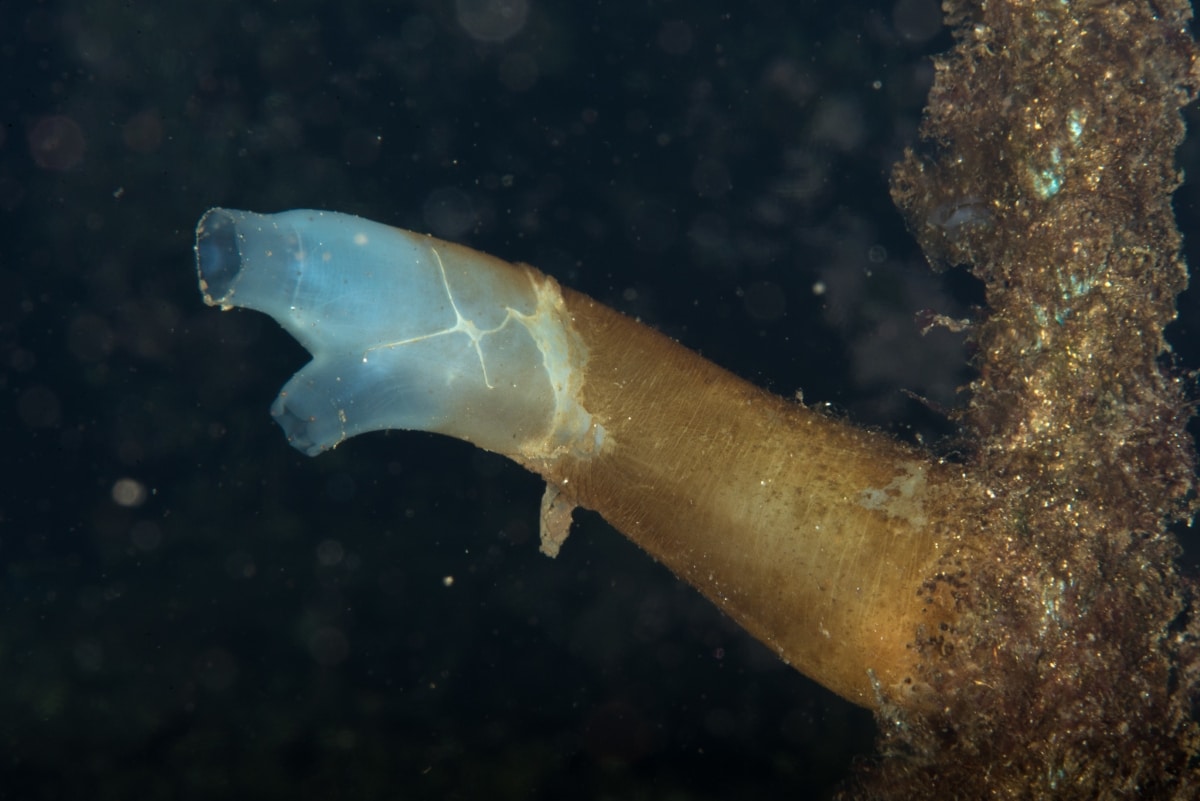
The eyes of vertebrates developed from neural tissue rather than skin, combining two evolutionary lines of light-sensitive cells. Recent research reveals the stages of this unique process and highlights the role of the pineal gland.
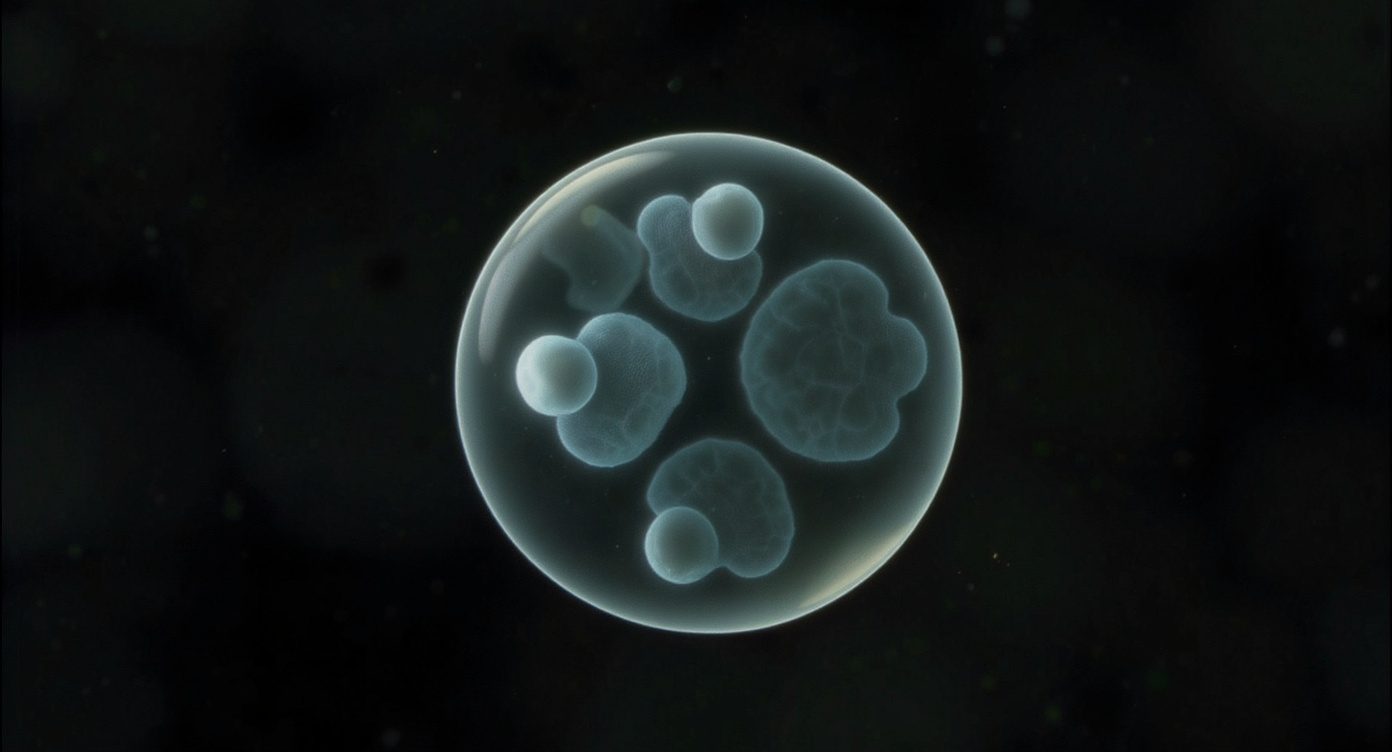
A new study has shown that the complexity of vertebrate animals did not arise from an increase in the number of genes, but rather from the diversity of proteins produced from existing genes through alternative splicing. This mechanism allowed cells to respond differently to the same signals, enabling the formation of complex tissues and organs.
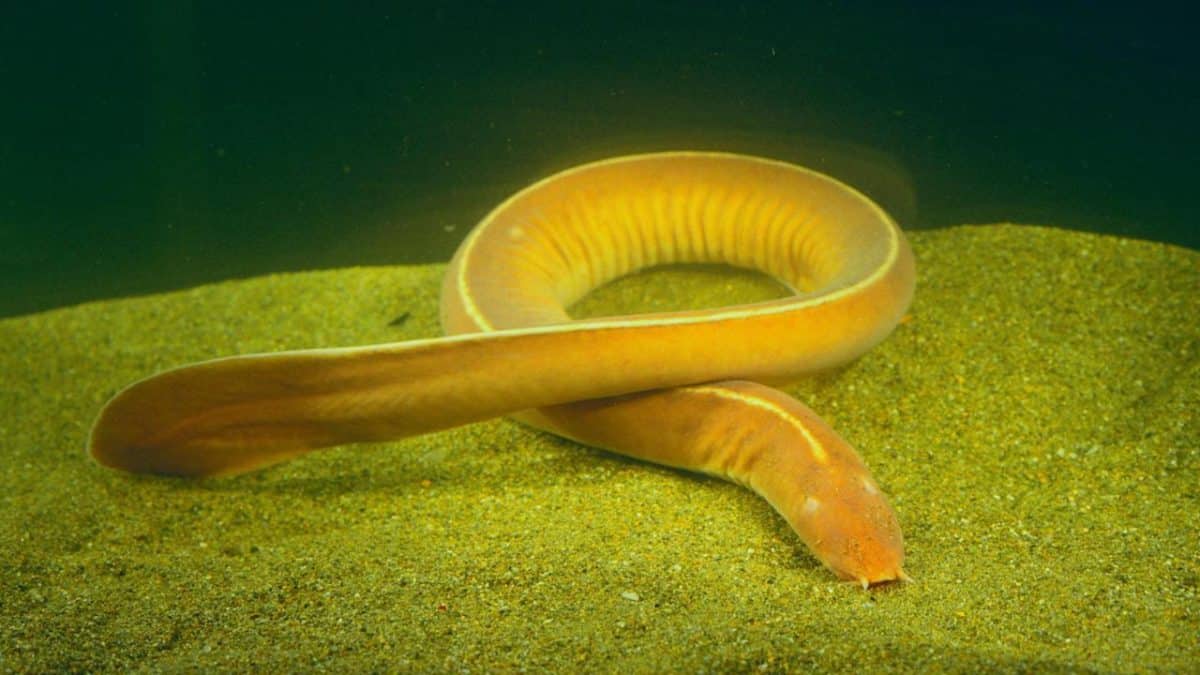
A new study has revealed that hagfish, among the oldest vertebrates, possessed a complex sense of smell. This discovery changes our understanding of how sensory organs developed in early animals.
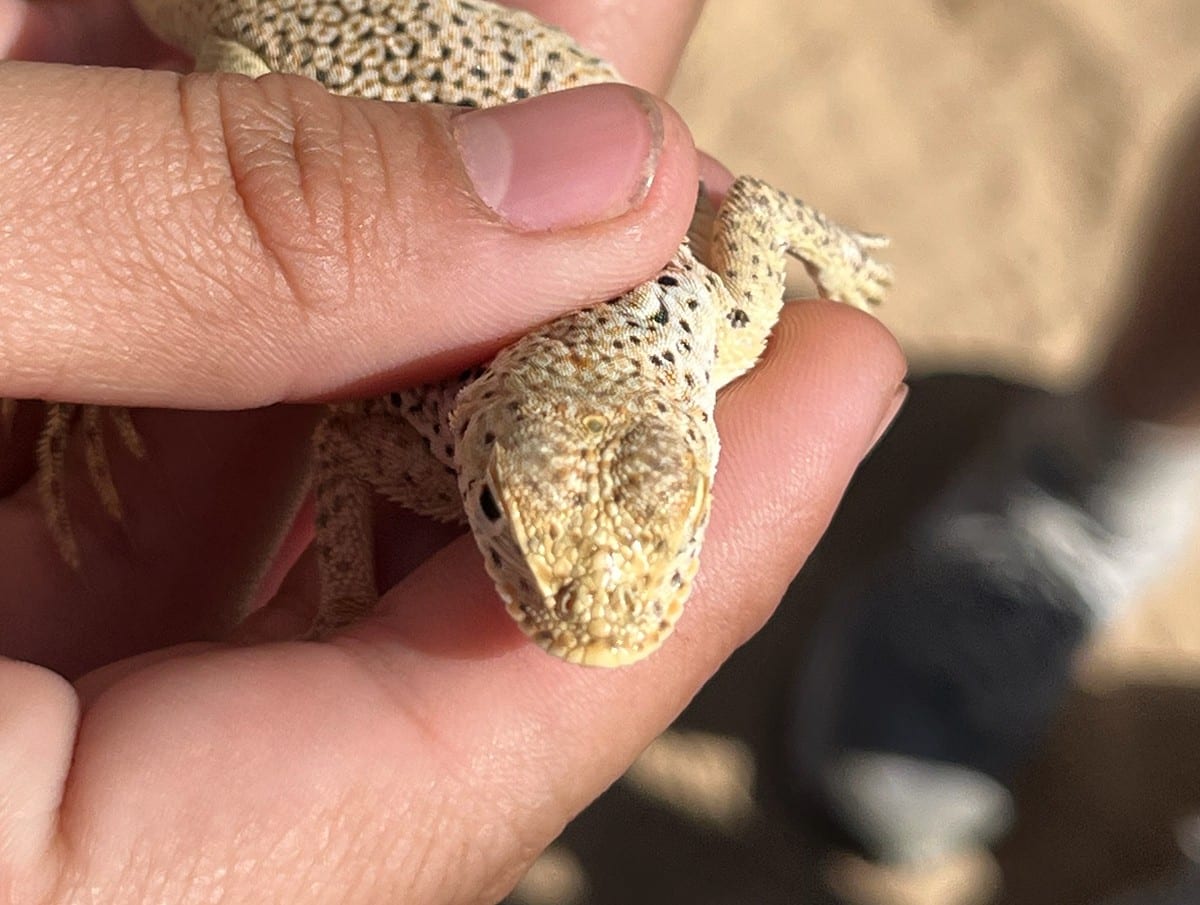
Scientists have discovered that the genetic mechanism originally responsible for the development of the cloaca was repurposed by evolution to form fingers in terrestrial animals. This finding changes our understanding of the origins of limbs.

 Cursus