

Arginine strengthens the immune system and reduces the risk of cancer.
Arginine plays an important role in supporting the immune system and protein synthesis, and its deficiency can increase the risk of developing cancer and viral infections. Studies show that adequate intake of arginine helps strengthen the body's defenses and may be beneficial for the prevention and treatment of various diseases.
Salus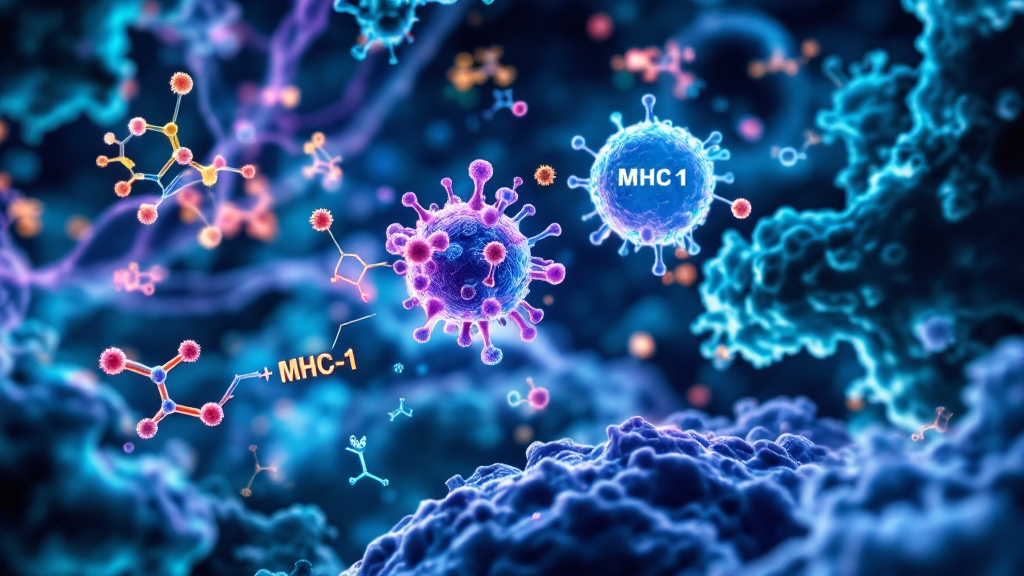
Arginine is an amino acid that plays a crucial role in supporting various bodily functions. It is essential for the synthesis of proteins involved in biological processes. Arginine is produced in the body and also obtained from foods rich in protein. A decrease in arginine levels has been linked to the development of several diseases, including colorectal cancer.
The Impact of Arginine on the Immune System and Gene Expression
A lack of arginine can weaken the immune system. When arginine is deficient, cells struggle to synthesize the MHC-1 protein, which is necessary for transmitting information to the immune system about threats such as mutated cells or viruses. Studies have shown that moderate increases in arginine intake can help restore the expression of genes responsible for producing MHC-1.
Mechanisms of Arginine Action
Amino acids, including arginine, are often called the building blocks of proteins. Their synthesis is regulated by codons—sequences of three DNA bases that determine which amino acid will be incorporated into a protein. There are six different codons for arginine, highlighting its importance in protein metabolism.
Changes in amino acid availability can affect cellular metabolism and signaling pathways, but the direct influence on gene expression is not yet fully understood. Recent research indicates that fluctuations in arginine levels, caused by diet or illness, can impact the expression of certain genes.
Experimental Data
Various disease models have been studied in experiments, including colorectal cancer, influenza, and SARS-CoV-2. In all cases, a significant reduction in arginine levels was observed. Analysis of cell cultures revealed that arginine deficiency led to a decrease in 414 proteins, most of which are associated with its molecular functions.
Special attention was given to HLA genes, which are responsible for the synthesis of MHC-1 proteins present on the cell surface and necessary for signaling to T-cells of the immune system. When arginine is lacking, ribosomes cannot complete the assembly of MHC-1, reducing the cells' ability to alert the immune system to potential threats.
Influence on Tumor Development and Viral Infections
Experiments in mice showed that animals with low arginine diets were more likely to develop colon tumors, while increasing arginine intake reduced the number of tumors. Similar results were observed in models of influenza and SARS-CoV-2: mice fed arginine-enriched diets coped better with viral infections, and adding arginine after infection improved their condition.
Significance for Prevention and Therapy
The data suggest that reduced arginine levels may explain the link between poor nutrition, aging, and increased vulnerability to certain cancers and viral infections. As people age, arginine levels naturally decline, which may weaken the immune system's ability to recognize abnormal or infected cells.
Research indicates that arginine deficiency, whether due to diet or age, can create conditions favorable for the development of colorectal cancer and increase mortality from respiratory viruses. Ongoing studies are exploring how changes in the intake of other amino acids may affect the course of various diseases.
Prospects for Further Research
Arginine is an accessible and inexpensive supplement, making it possible to conduct clinical trials among patients receiving immunotherapy and among at-risk groups exposed to viruses. Further research is expected to help determine whether modifying the intake of other amino acids can also be beneficial in different diseases.