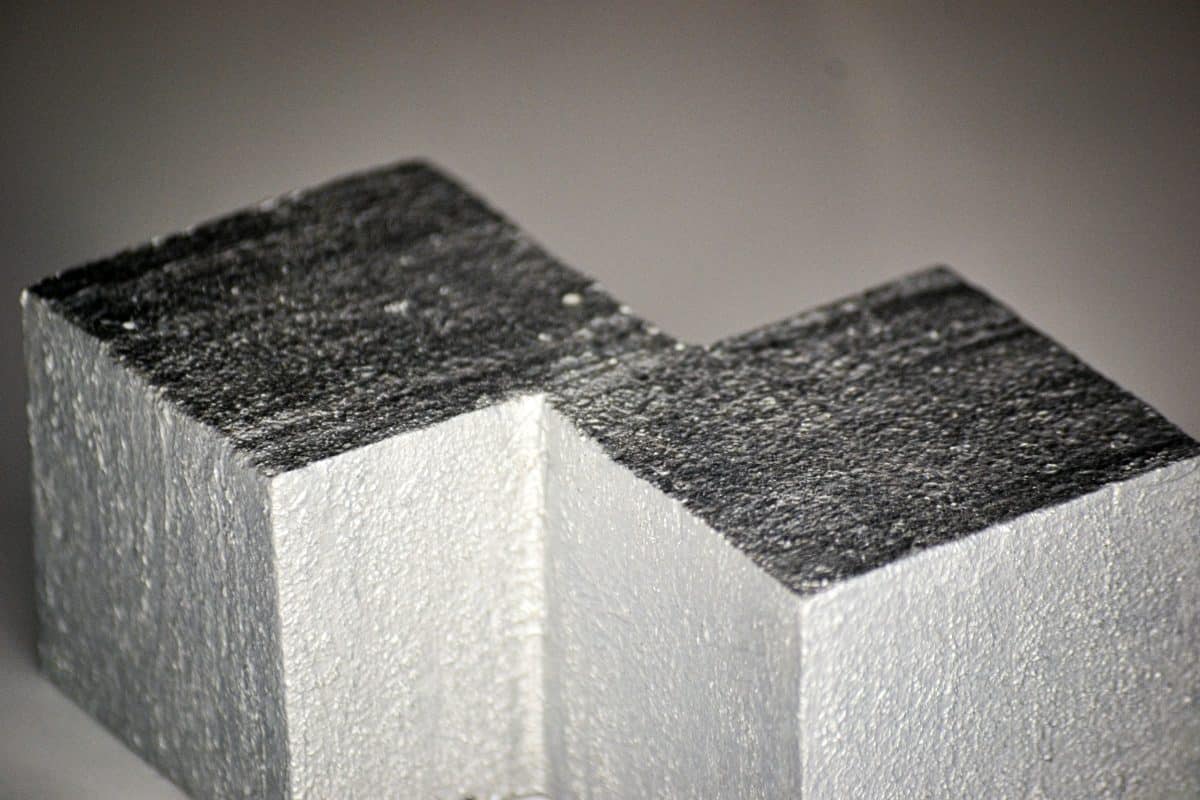
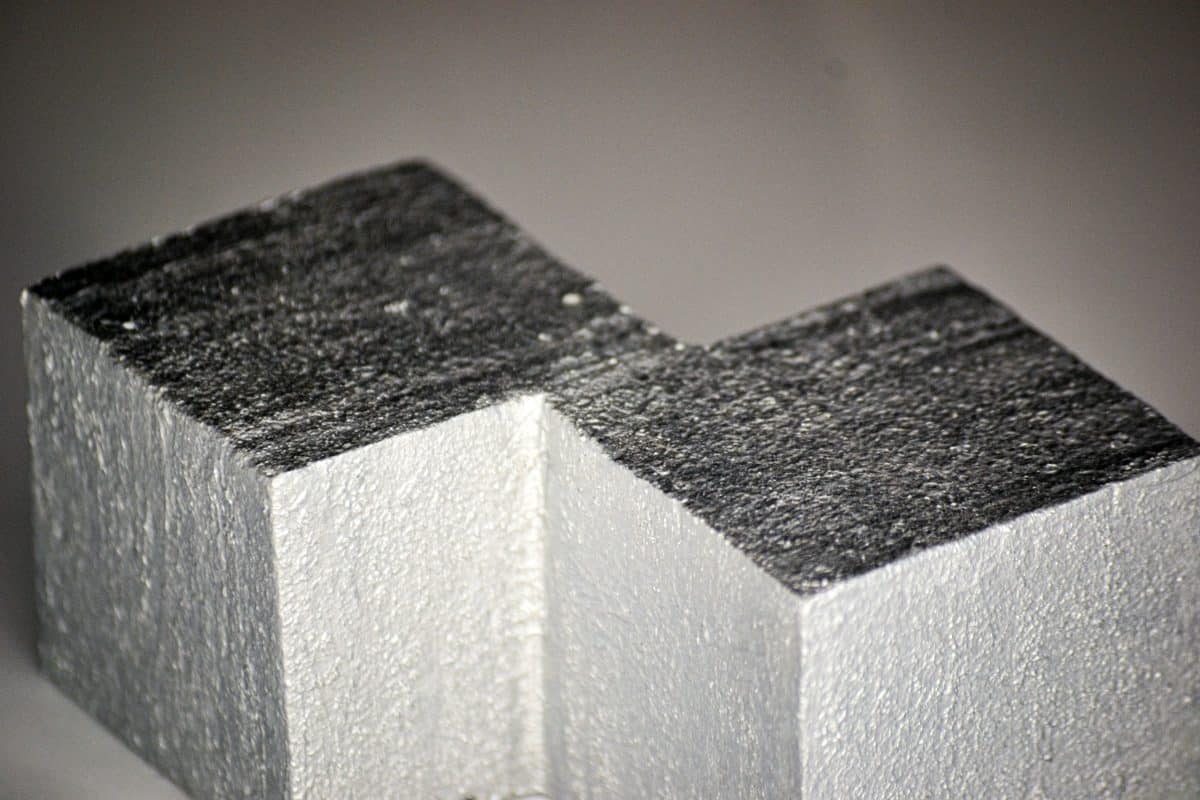
In the conditions of outer space vacuum, metal parts can spontaneously bond together without heating due to the destruction of their protective oxide layer. This phenomenon poses serious challenges for spacecraft and requires special protective measures.
В вакууме космоса металлические детали могут самопроизвольно свариваться без нагрева, что представляет угрозу для космической техники. Для предотвращения этого инженеры используют специальные покрытия и смазки.
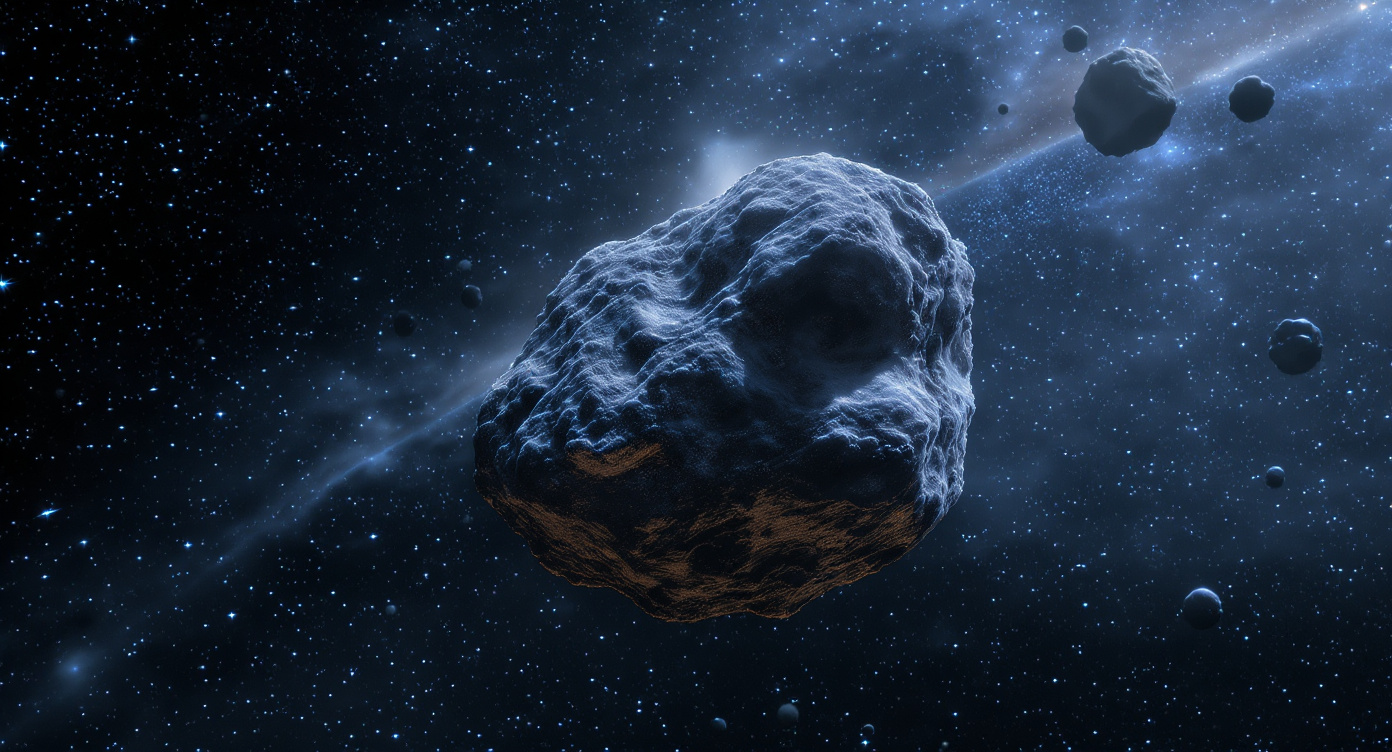
An analysis of soil from the asteroid Bennu has shown that amino acids can form in extremely cold conditions, not just in hot interiors. This discovery broadens our understanding of the possible pathways for the emergence of life in the universe.
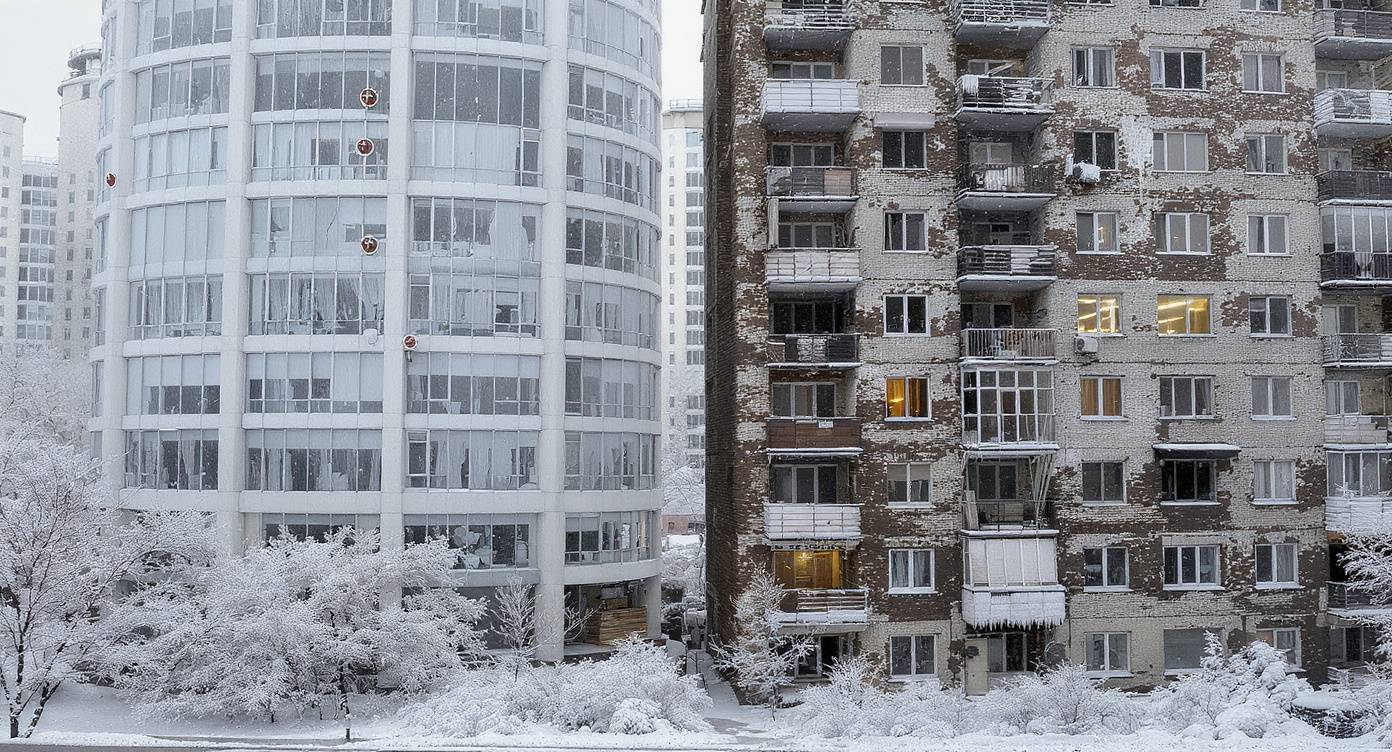
The study found that radiation levels in Russian apartment buildings are generally low, but in some cities, they are noticeably higher due to construction materials and ventilation features. Newer buildings often have increased background radiation; however, this does not pose a significant health risk to residents.
The experiment demonstrated that bacterial spores can survive the extreme conditions of spaceflight. This supports the possibility of life being transferred between planets and highlights the need for caution when searching for extraterrestrial organisms.
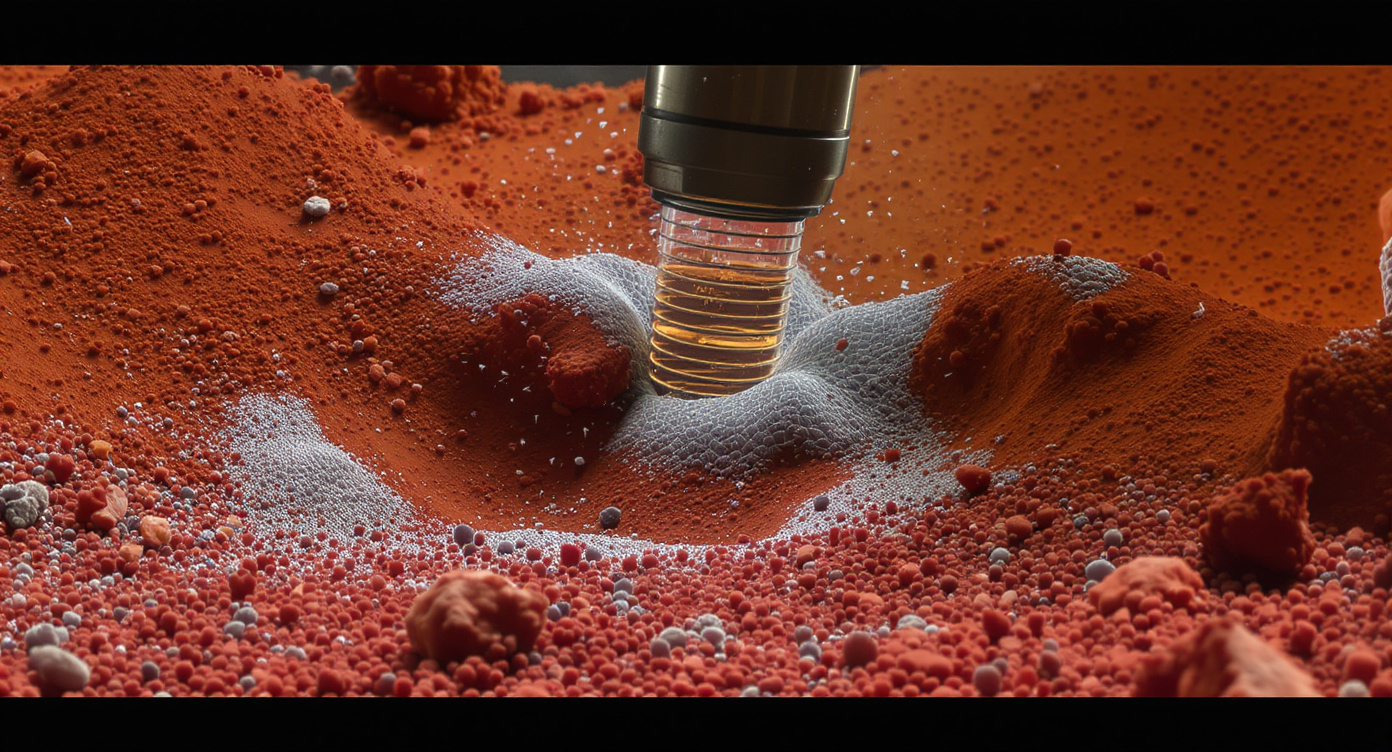
The study revealed that ordinary baker's yeast can survive in conditions that mimic the Martian environment, thanks to a unique stress response mechanism. This discovery is significant for future space exploration.
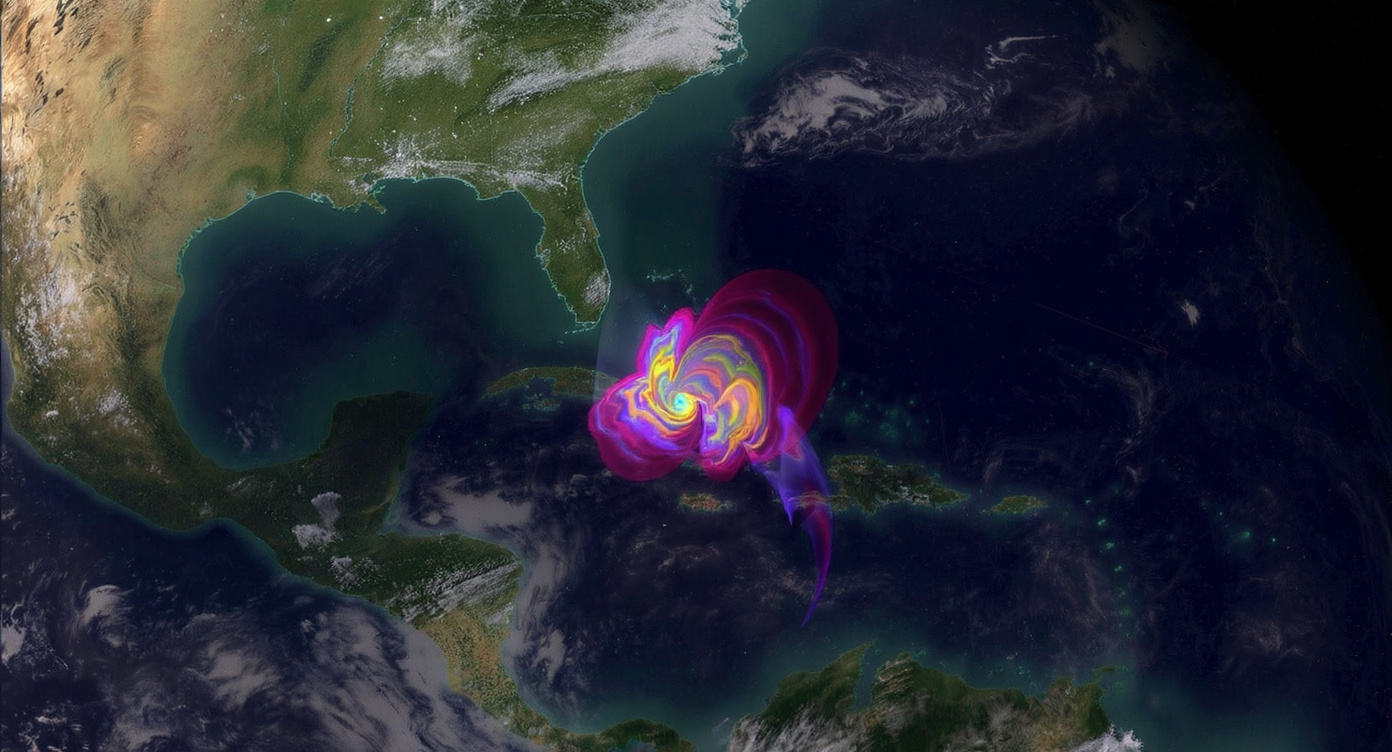
The South Atlantic Anomaly in Earth's magnetic field continues to expand and become more complex, increasing risks for satellites and requiring constant monitoring to better understand the processes occurring deep within the planet.
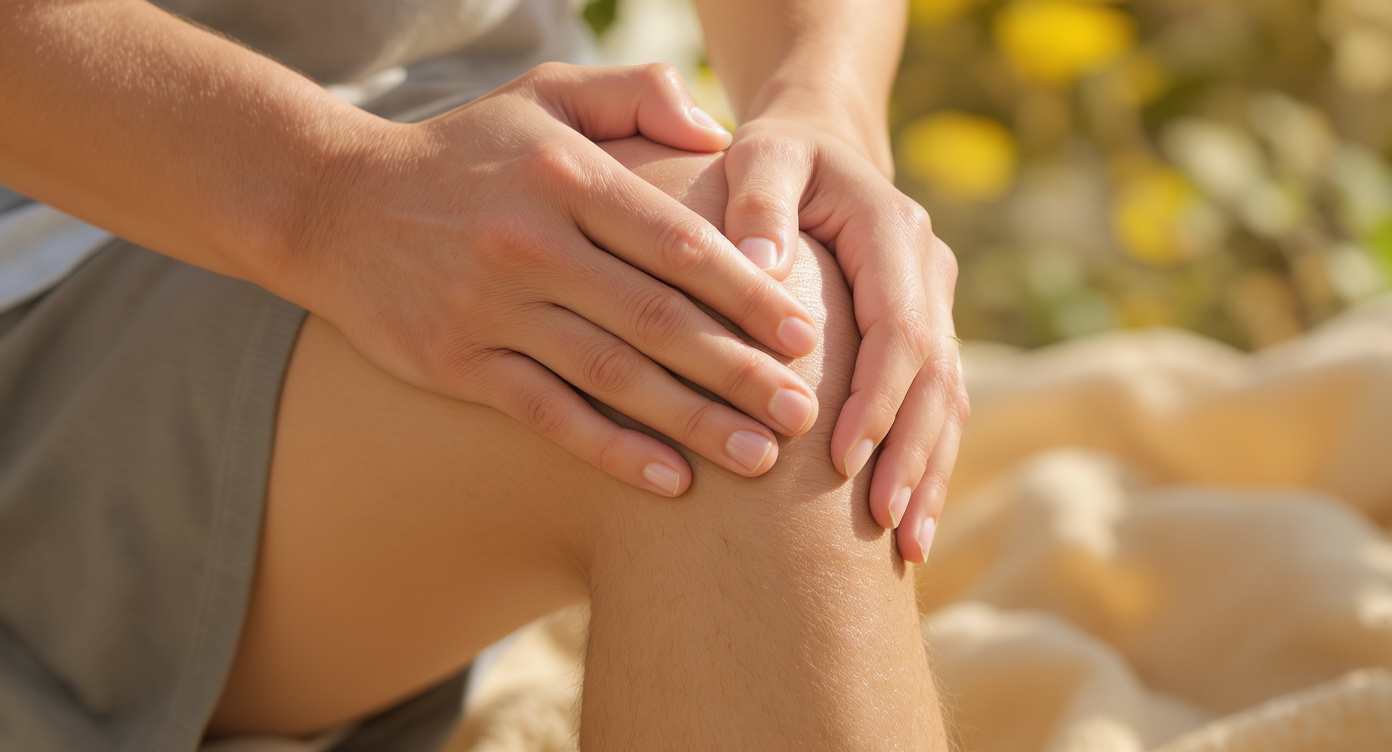
Korean researchers have studied the effects of low-dose radiation on knee osteoarthritis pain and observed significant improvement in some patients without serious side effects. While this method does not restore cartilage, it may help slow the progression of the disease in moderate cases.
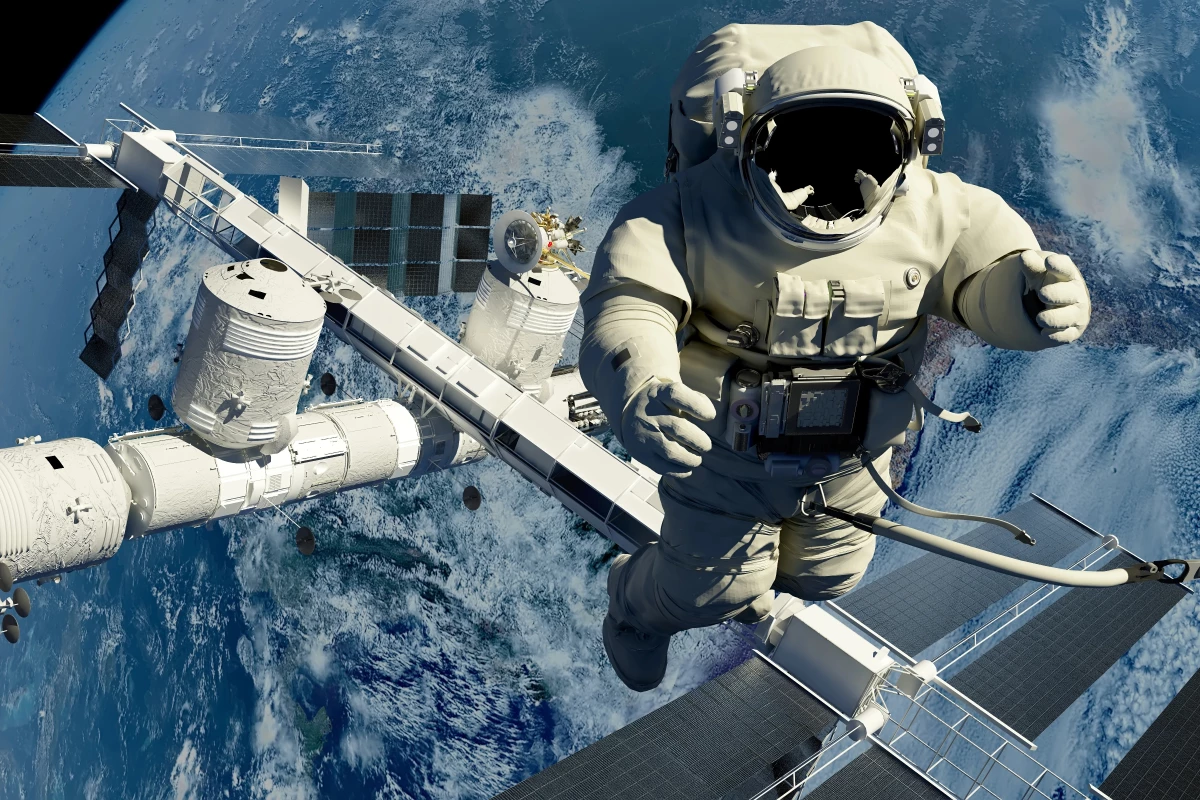
A new study has shown that being in space accelerates the aging of human hematopoietic stem cells, reducing their ability to regenerate. These findings are important for protecting astronauts' health and for studying the aging process on Earth.

 Ingenium