

Microbes Survive in Space: New Evidence
The experiment demonstrated that bacterial spores can survive the extreme conditions of spaceflight. This supports the possibility of life being transferred between planets and highlights the need for caution when searching for extraterrestrial organisms.
Cursus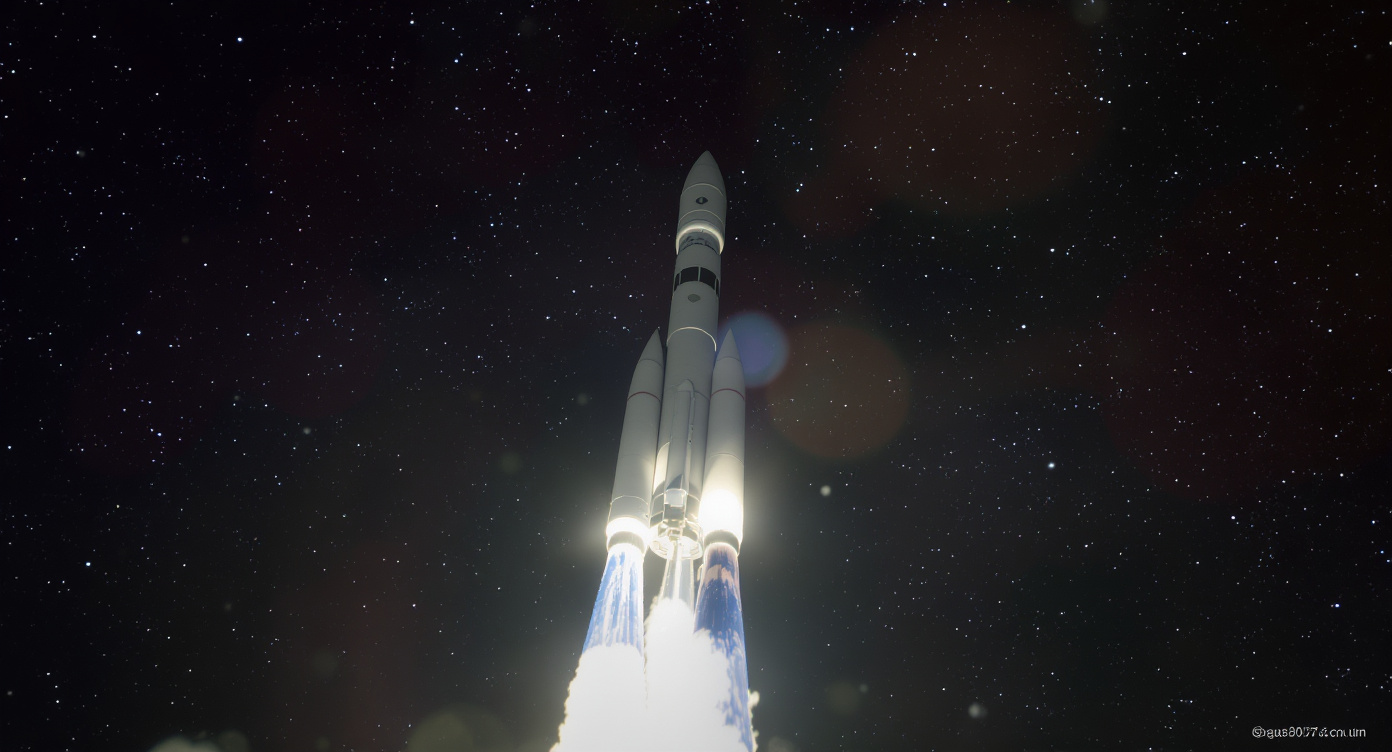
A recent biological experiment conducted on a suborbital rocket has revealed the remarkable ability of terrestrial microorganisms to survive in extreme space conditions. The findings are prompting scientists to reconsider their approaches to searching for life on other planets.
Microorganisms are regularly found both inside and outside the International Space Station. During the "Test" experiment in the 2010s, cosmonauts collected samples from the outer surfaces of ISS modules and even discovered marine plankton there.
In a 12-day mission of the Russian biosatellite "Bion-M2," living organisms were placed outside the spacecraft, inside a basalt sample. Preliminary data indicate that they survived the flight.
An international team of researchers from Australia and Sweden conducted a special experiment to test the resilience of microbes to the intense forces experienced during launch and landing. In November 2022, spores of Bacillus subtilis were placed in a sealed container aboard the suborbital rocket Suborbital Express 3 — M15.
This microorganism is renowned for its exceptional resistance to radiation, toxic substances, and extreme temperatures. Under adverse conditions, the bacterium forms "dormant" spores capable of withstanding prolonged exposure to harsh environments.
The rocket reached an altitude of 257 kilometers, and the entire flight lasted just over 10 minutes. The spores endured accelerations of up to 13 g during launch and about 30 g during descent—significantly higher than the forces experienced during crewed space missions.
After returning to Earth, the spores were placed in a nutrient medium. They successfully germinated and formed colonies, with the number of surviving microorganisms nearly identical to the control group that remained on Earth.
The experiment supports several important hypotheses:
Panspermia is becoming more plausible. The theory that life can spread between planets on comets and asteroids now has additional supporting evidence.
The challenge of planetary protection. The results suggest that terrestrial microorganisms could have been accidentally transported to the Moon and Mars by previous missions, despite sterilization procedures.
Difficulties in identifying extraterrestrial life. If microbes are discovered on Mars, thorough verification of their origin will be necessary to rule out contamination from Earth.
This research demonstrates that life is far more resilient to space conditions than previously thought.