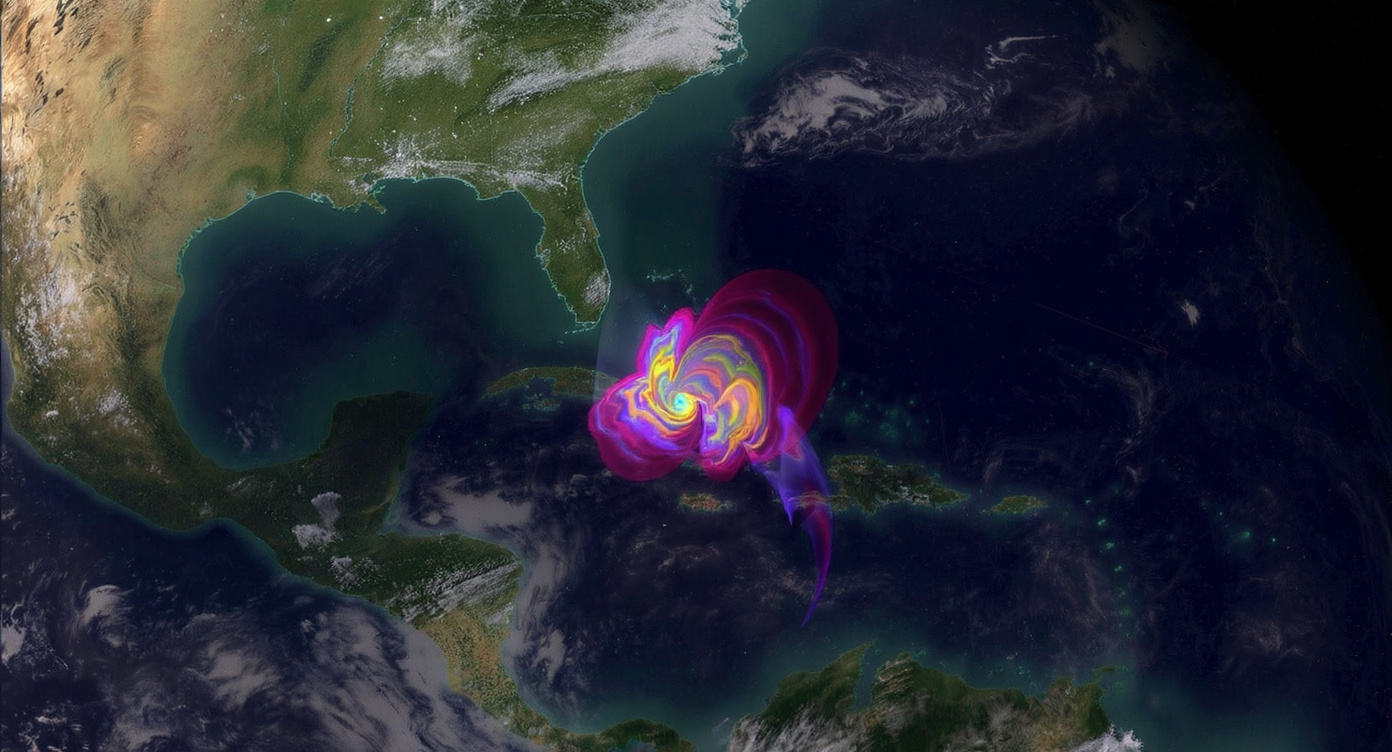
An international team has developed an artificial intelligence-based simulator that accelerates and simplifies the modeling of heavy element formation processes in the Universe. The new RHINE tool enables more accurate and faster calculations of nuclear reactions during neutron star mergers, significantly reducing computational costs.
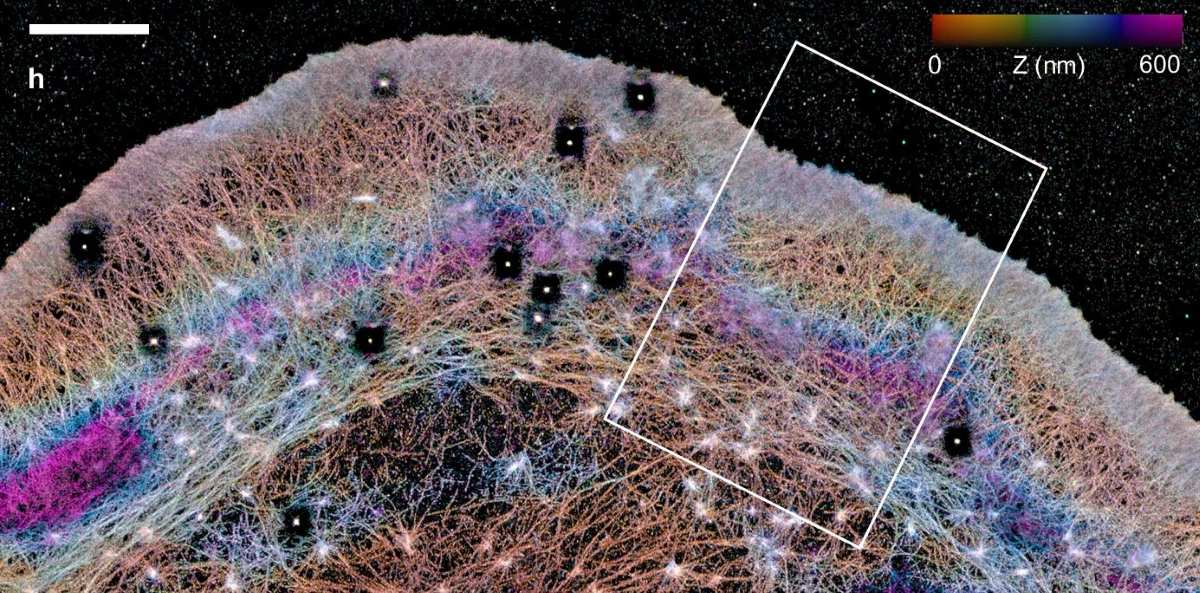
A new study has shown that soluble proteins inside migrating cells move thanks to directed fluid flows generated by contracting protein structures. This physical mechanism enables cells to rapidly deliver molecules to specific areas without relying on specialized chemical pathways.
The South Atlantic Anomaly in Earth's magnetic field continues to expand and become more complex, increasing risks for satellites and requiring constant monitoring to better understand the processes occurring deep within the planet.
Collisions of oxygen and neon nuclei at the Large Hadron Collider have enabled scientists to refine the properties of quark-gluon plasma and confirmed the elongated shape of the neon nucleus. These experiments open up new possibilities for studying the early Universe and the structure of matter.


 Cursus