Scientists have developed nanoparticles that, when injected into the eye, can restore vision after retinal damage by replacing lost photoreceptors. This technology does not require surgery and is suitable for various causes of vision loss.
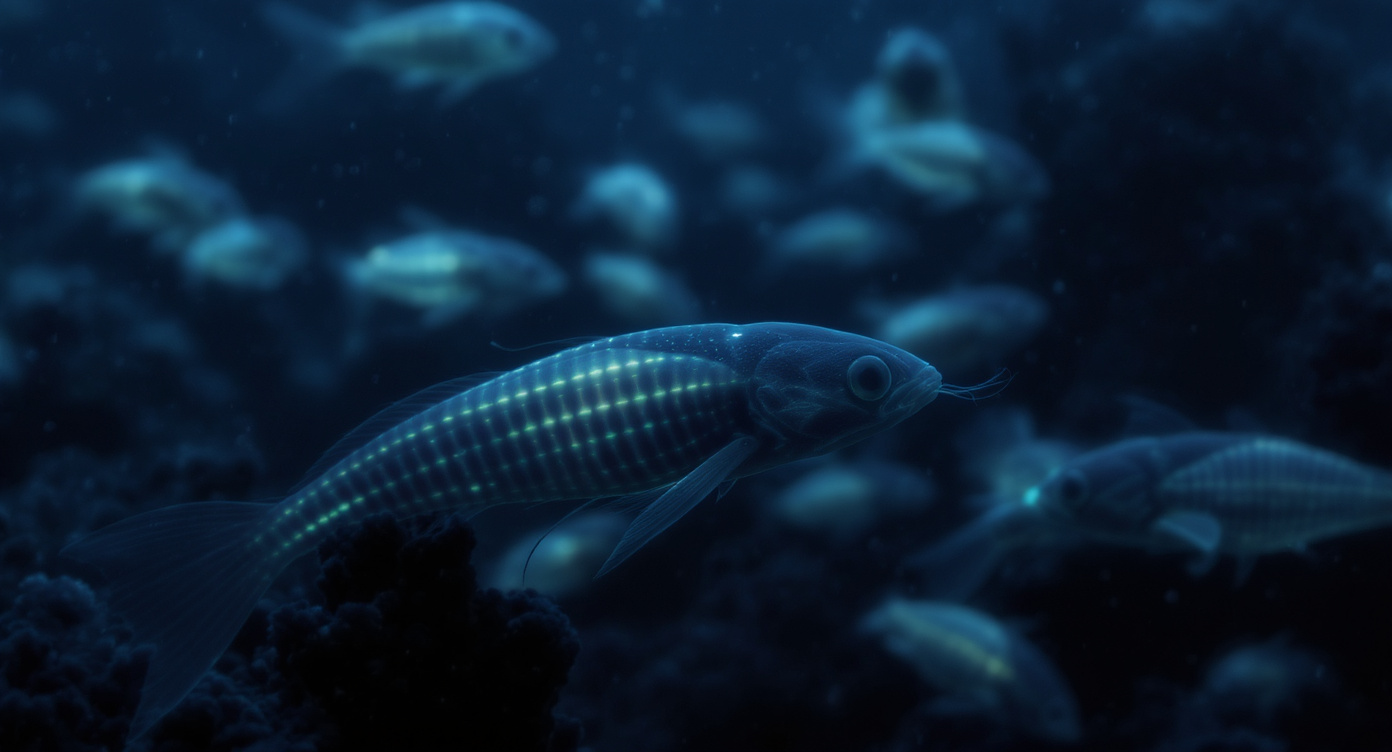
The study revealed that deep-sea fish larvae use unique hybrid cells for vision, combining the properties of both daytime and nighttime receptors. This discovery highlights the remarkable flexibility of evolution in adapting to life in darkness.
In a clinical study, a miniature implant and smart glasses helped most patients with severe macular degeneration partially regain their ability to read. This technology enables users to distinguish shapes and outlines, significantly improving the quality of life for people with incurable vision loss.

 Cursus