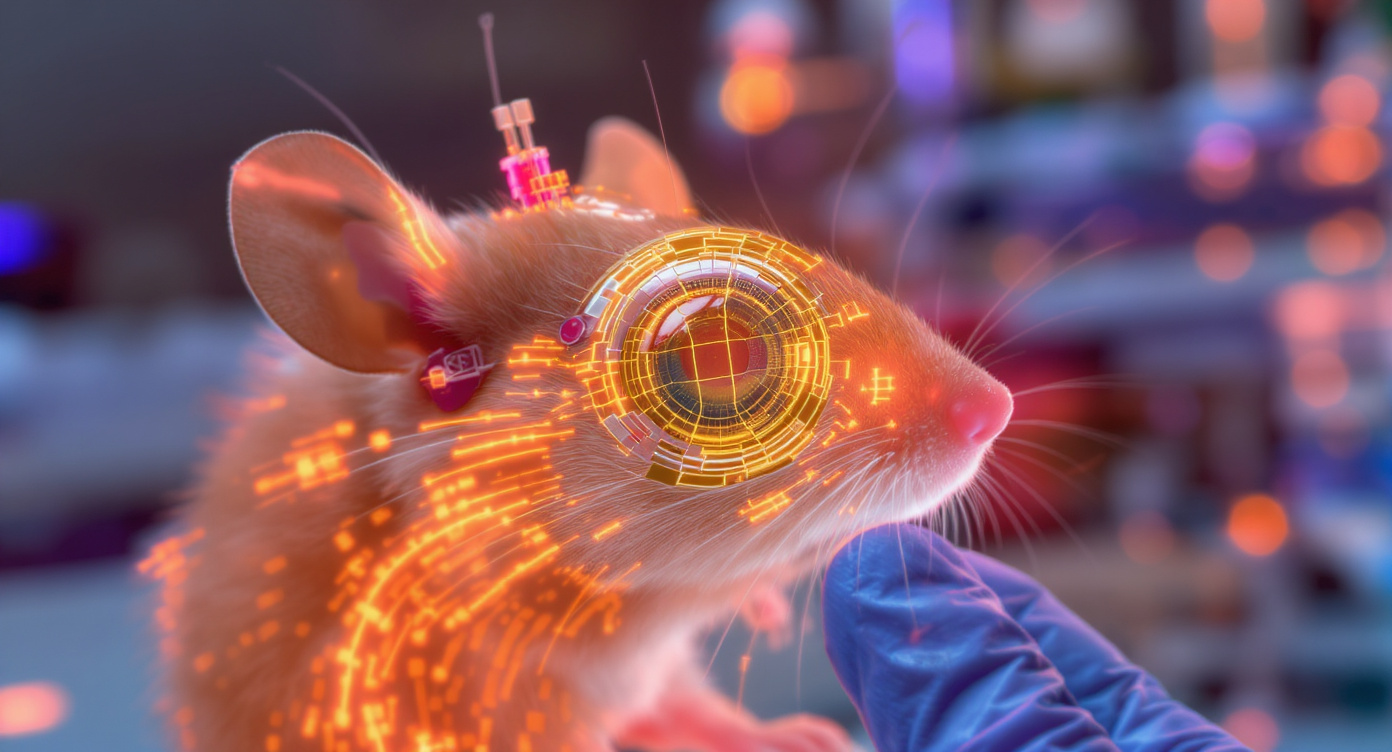
Scientists have developed a flexible eye implant that enables blind mice to perceive infrared light without damaging eye tissue. This new technology could expand treatment options for blindness, but its effectiveness and perception in humans remain unknown.
For the first time, the technology of epigenetic cell rejuvenation, previously tested successfully on animals, is moving into clinical trials in humans. The new drug ER-100 could pave the way for restoring retinal cell function and treating age-related eye diseases.
The number of people with myopia is rapidly increasing, and recent studies link this not only to the use of digital devices but also to insufficient bright light during close-up work. Scientists are proposing new preventive methods, including special lenses and eye drops, but large-scale studies are still needed to confirm their effectiveness.
For the first time in Israel, doctors have successfully transplanted a cornea printed on a 3D printer, restoring a patient's vision. This technology has the potential to solve the shortage of donor tissues and revolutionize the treatment of blindness.
In a clinical study, a miniature implant and smart glasses helped most patients with severe macular degeneration partially regain their ability to read. This technology enables users to distinguish shapes and outlines, significantly improving the quality of life for people with incurable vision loss.

 Salus
Salus