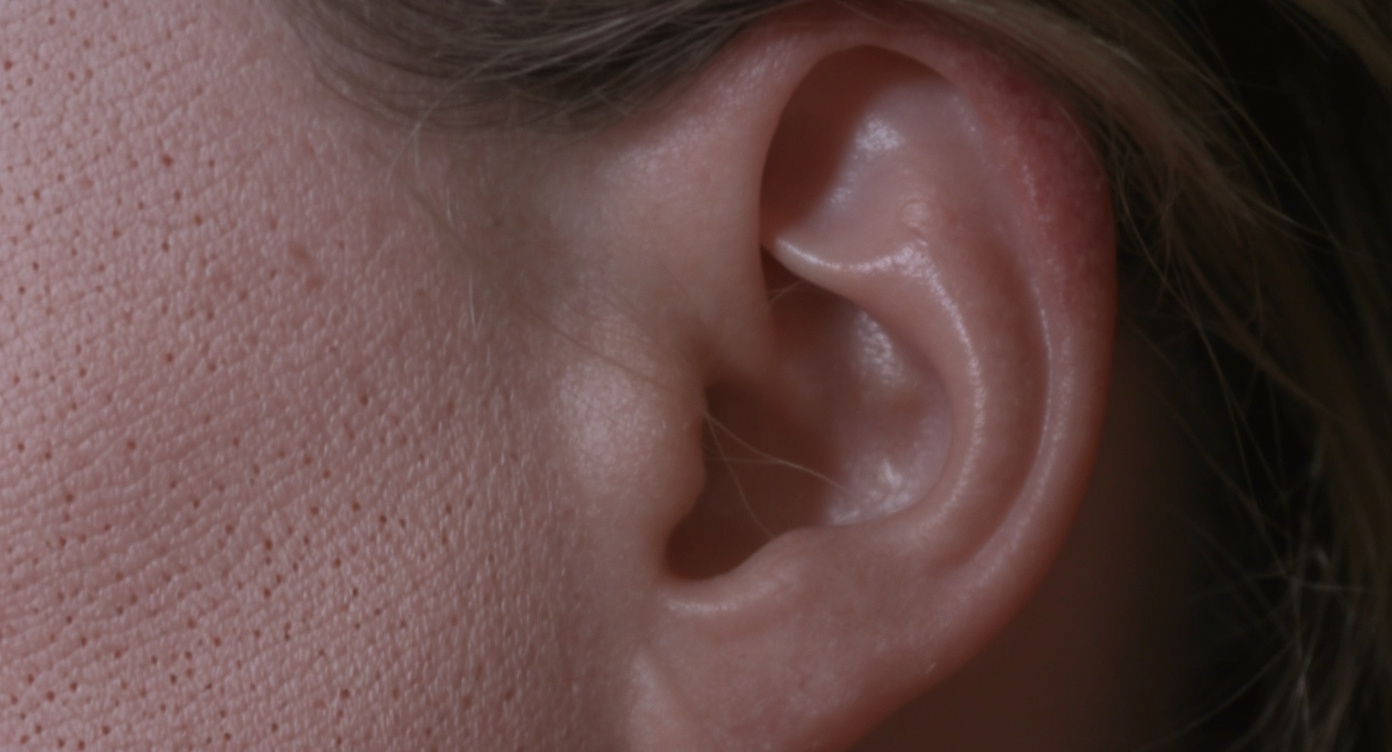
International studies have shown that the mysterious low-frequency hum heard by millions of people is most often an internal noise generated by the auditory system, rather than an external sound. This phenomenon is linked to the unique workings of human hearing.
A new study has shown that closing your eyes does not help you better distinguish faint sounds in a noisy environment. On the contrary, visual cues—especially dynamic ones—actually improve how we perceive sounds.
Researchers have developed an artificial neural network that mimics the human ability to pick out a single voice in a noisy environment. This model helps to better understand the mechanisms of auditory attention and could contribute to the creation of more effective hearing implants.
The study found that the endangered Kemp's ridley sea turtles are particularly sensitive to low-frequency noise, which overlaps with the range of human-made sounds in the ocean, making them vulnerable to acoustic disturbances.


 Cursus