The study found that the large, leaf-like wings of Viadana brunneri katydids both amplify the males' mating calls and help them blend into the surrounding vegetation, aiding their survival and reproductive success.
American scientists have discovered that plant seeds can perceive the sound of rain and accelerate germination in response to acoustic waves. This mechanism helps seeds choose the optimal moment for growth.
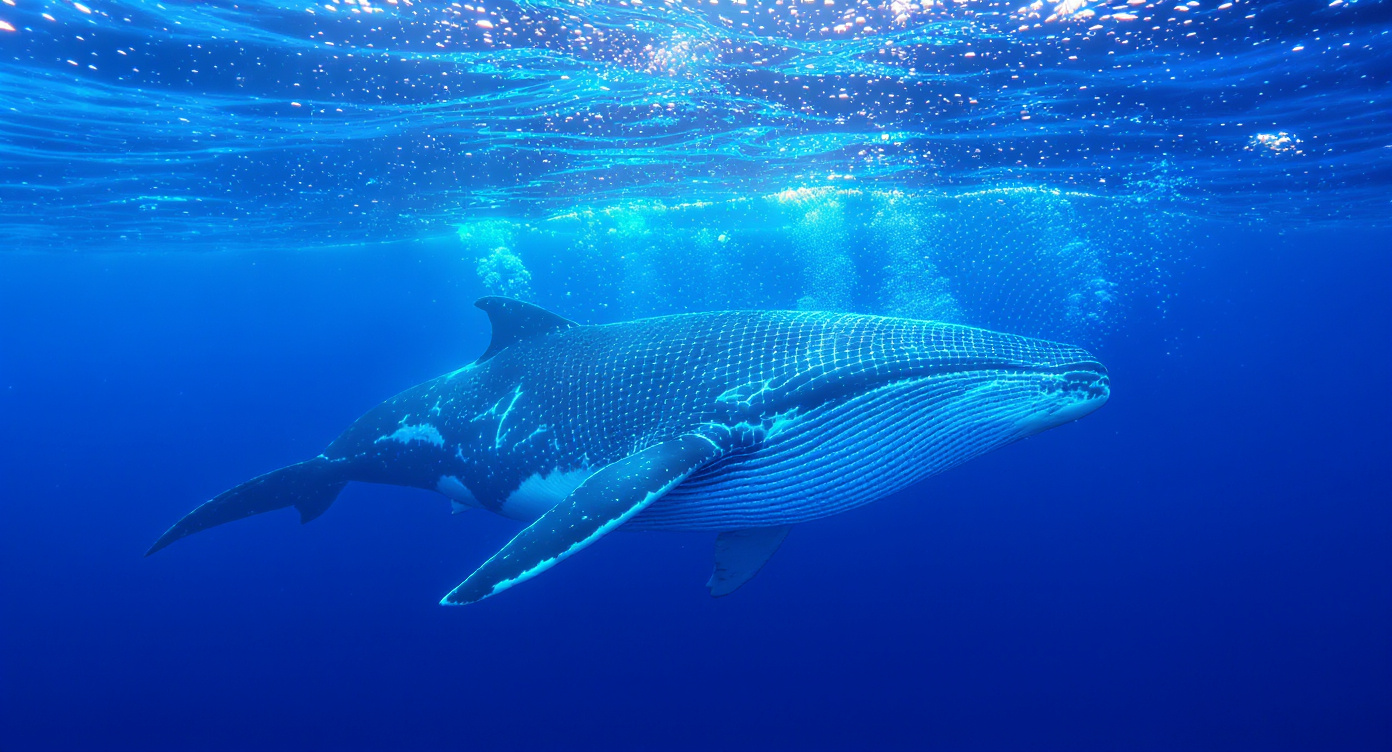
A new study has revealed that sperm whales use a complex system of sounds that exhibit phonological patterns similar to human speech. This suggests a highly developed form of communication and notable similarities with human linguistic structures.
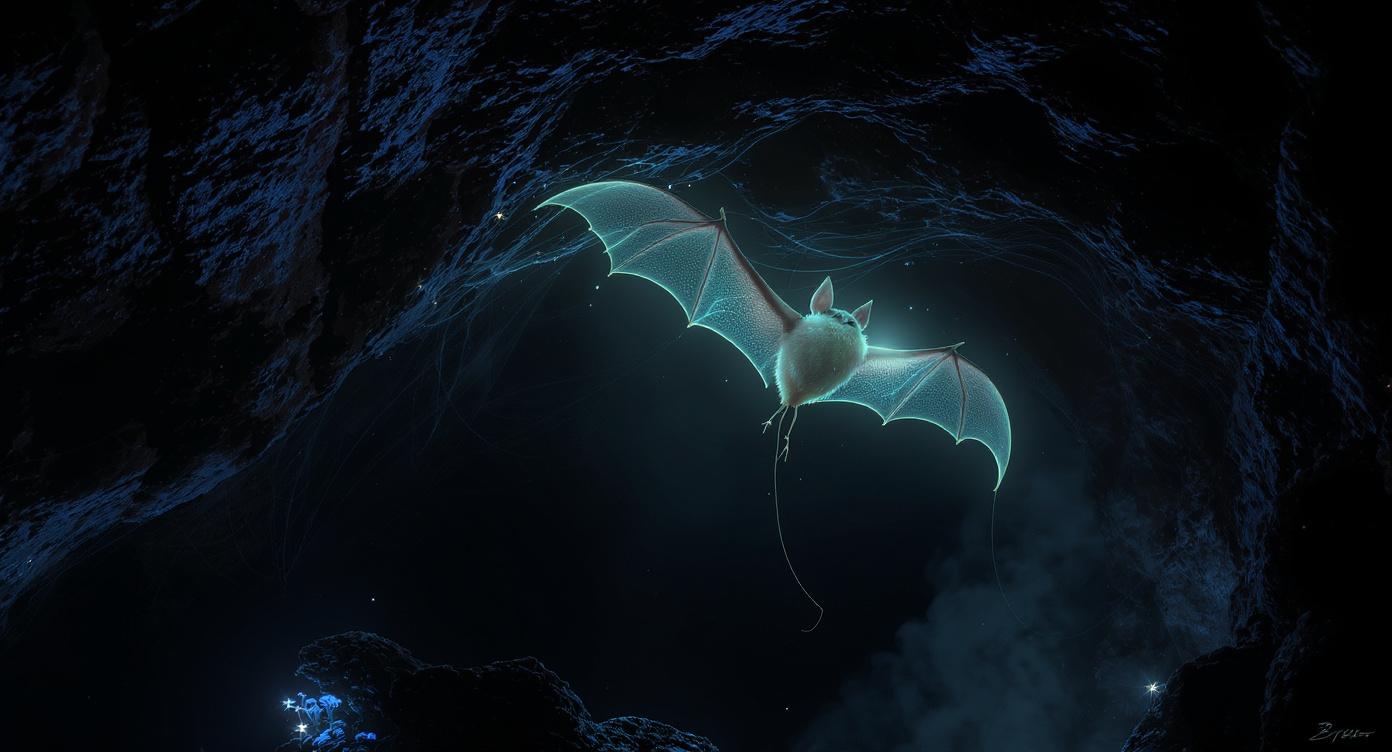
A study has shown that ghost bats have dialects: their social calls vary depending on the colony. At the same time, their echolocation signals remain stable thanks to evolutionary mechanisms.
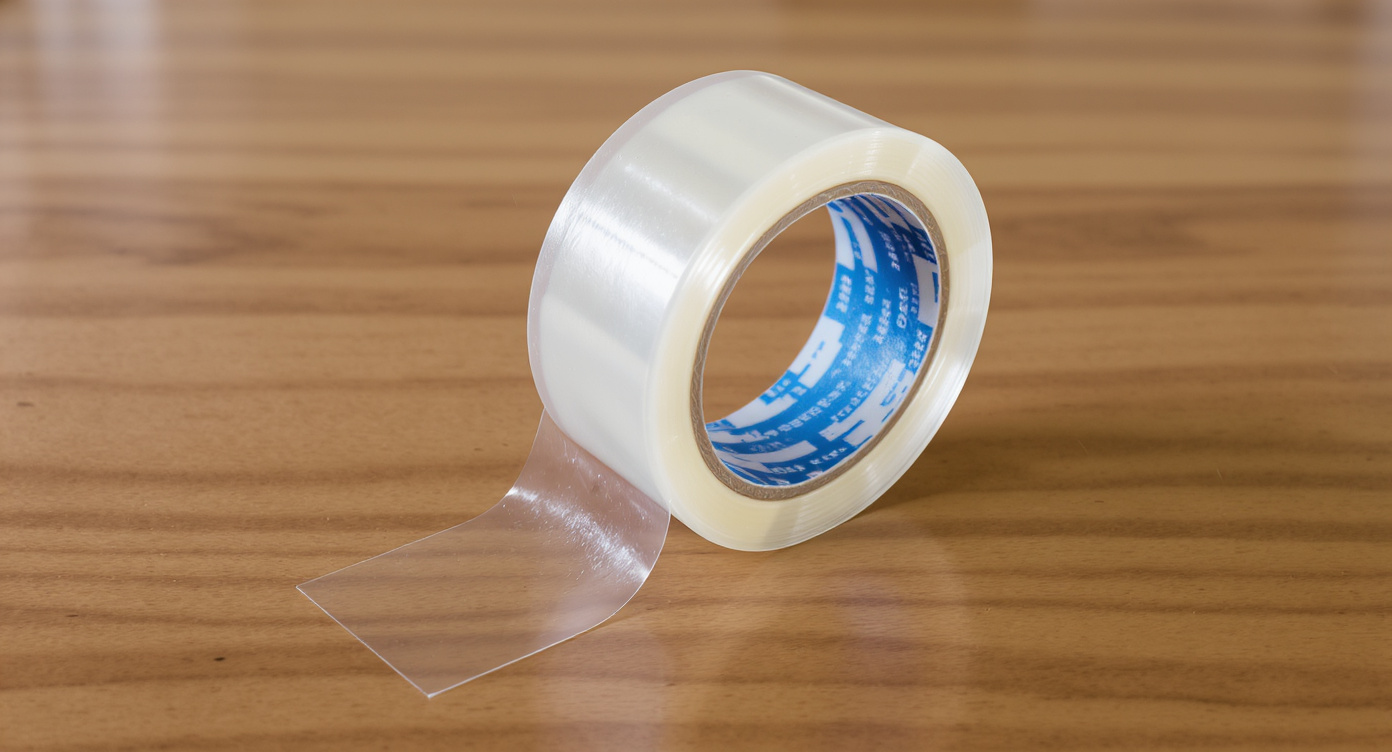
Recent studies have revealed that the characteristic squeal heard when peeling off tape is caused by a series of microscopic shock waves generated as cracks move at supersonic speeds along the tape. These processes repeat rapidly, producing the continuous screeching sound.
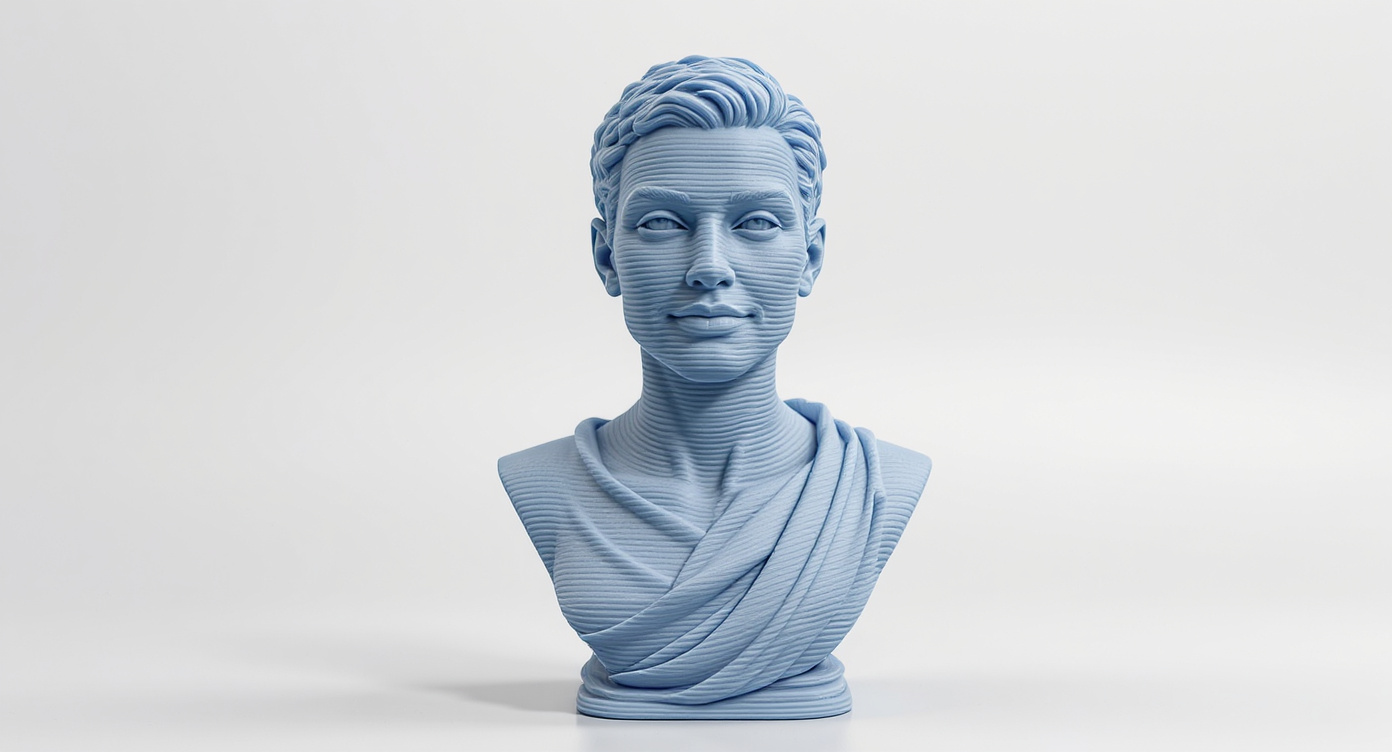
Scientists from Concordia University have introduced the PSP acoustic 3D printing technology, which delivers ten times greater precision compared to previous methods. This innovation opens up new possibilities for creating medical sensors and soft robotics.
A new cultural center is set to open in Hamburg—the State Opera, which will bring together opera and ballet performances, a park, and an innovative architectural landscape. The BIG project combines eco-friendly solutions, flood protection, and contemporary design.
A study by British zoopsychologists has shown that to scare seagulls away from food, it is enough to shout loudly—these birds respond to a threatening tone of voice and fly off without the need for force.
Researchers have developed a model of microrobots that use sound waves to coordinate in swarms and display collective behavior, much like schools of fish or flocks of birds. Such a system could be used for complex tasks, including exploring hazardous areas and delivering medications.


 Cursus