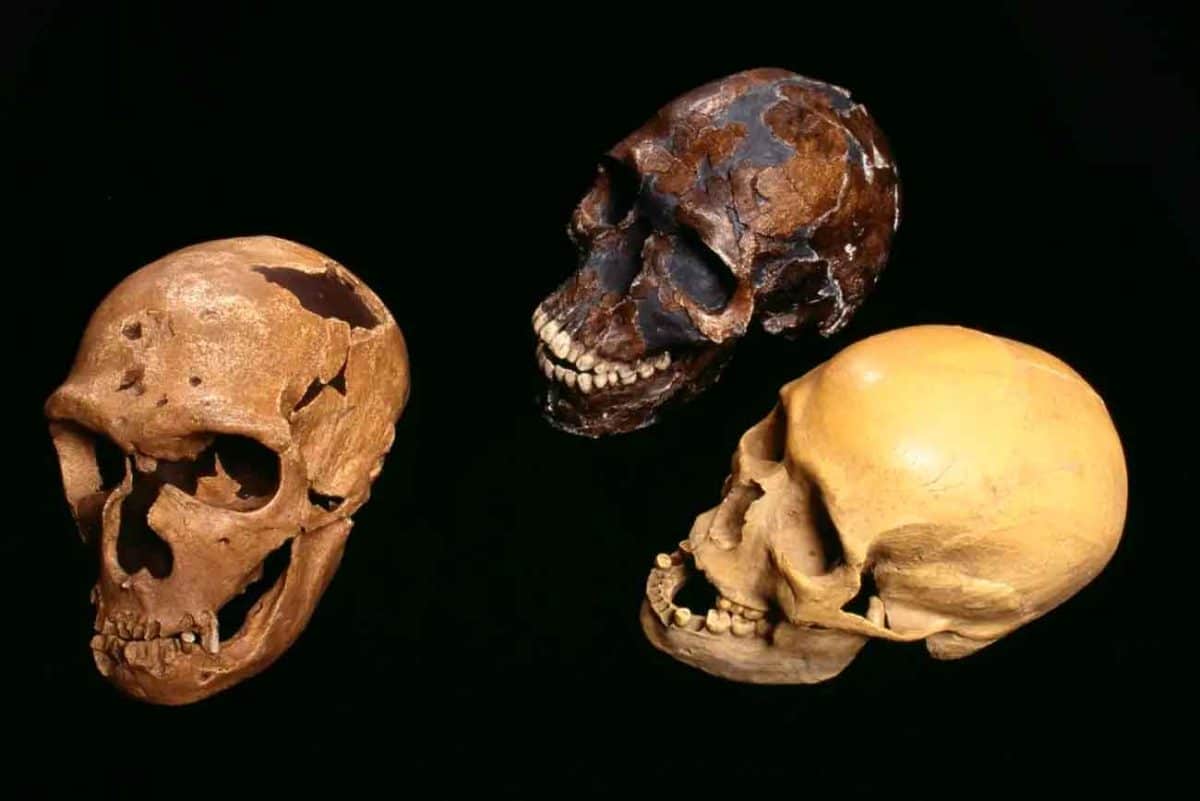
A new study challenges the traditional view that the increase in brain size among Homo species was the result of natural selection, suggesting instead that this process may have occurred by chance. An analysis of skulls indicates that these changes are better explained by models of neutral evolution rather than by directed selection.
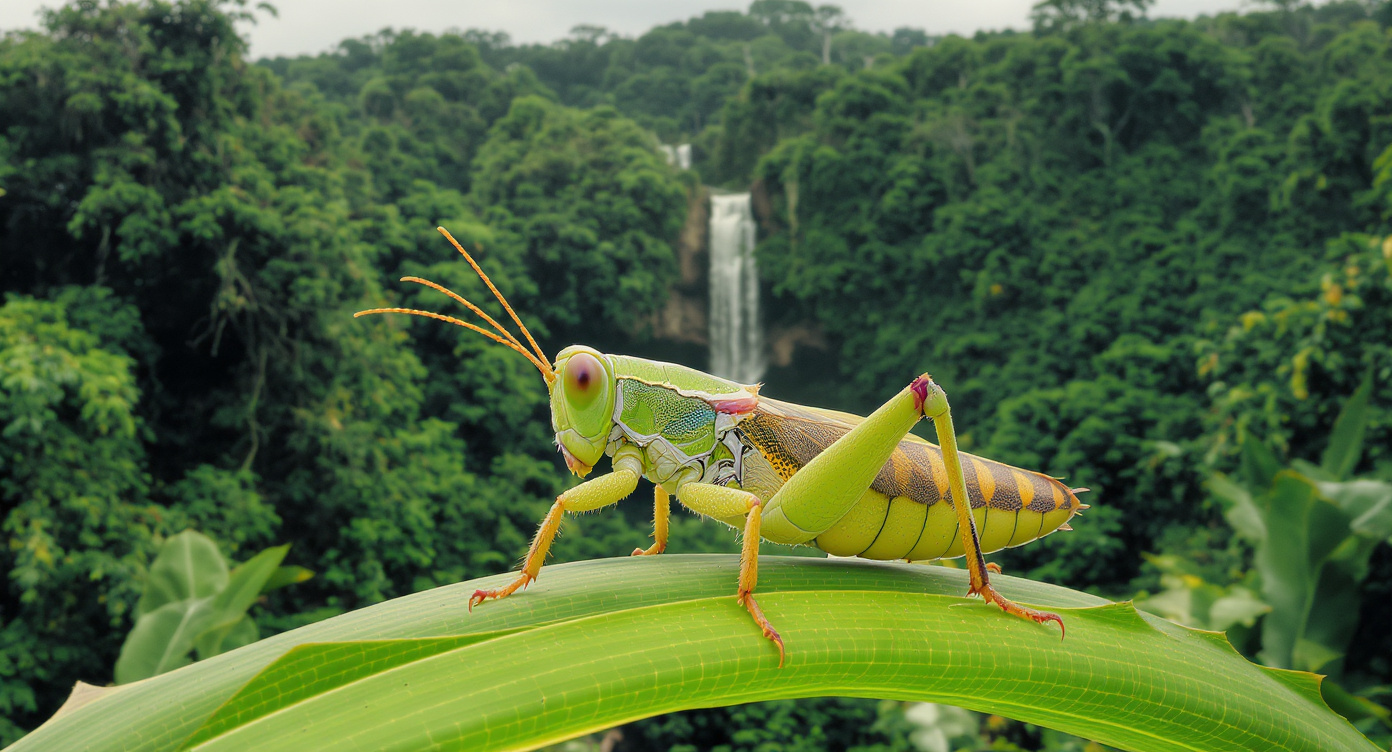
The study found that the large, leaf-like wings of Viadana brunneri katydids both amplify the males' mating calls and help them blend into the surrounding vegetation, aiding their survival and reproductive success.
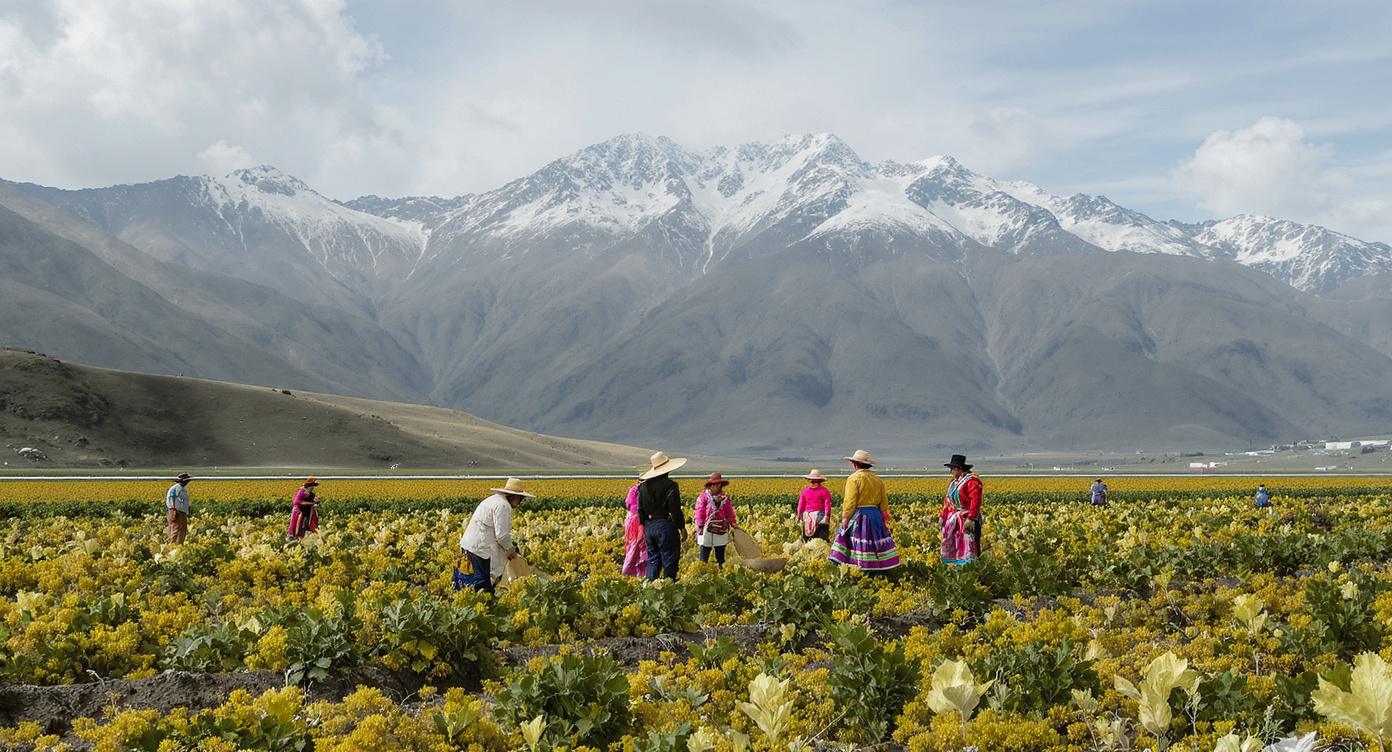
The shift to a potato-based diet around 10,000 years ago led the inhabitants of the Andes to develop a significant increase in the number of amylase gene copies, which helped them digest starch more efficiently. This genetic adaptation optimized their metabolism, but it is also linked to modern issues such as a higher prevalence of tooth decay.
An analysis of 280 studies has shown that natural selection operates not only at the level of individuals but also at the level of groups, supporting altruism and cooperation. Evolution is a balance between individual and collective interests.
An international team of geneticists has discovered that Sudanese Copts developed genetic resistance to malaria in just 1,000 years thanks to intermixing with local tribes. The study demonstrates how quickly natural selection can alter the genome of an entire population.
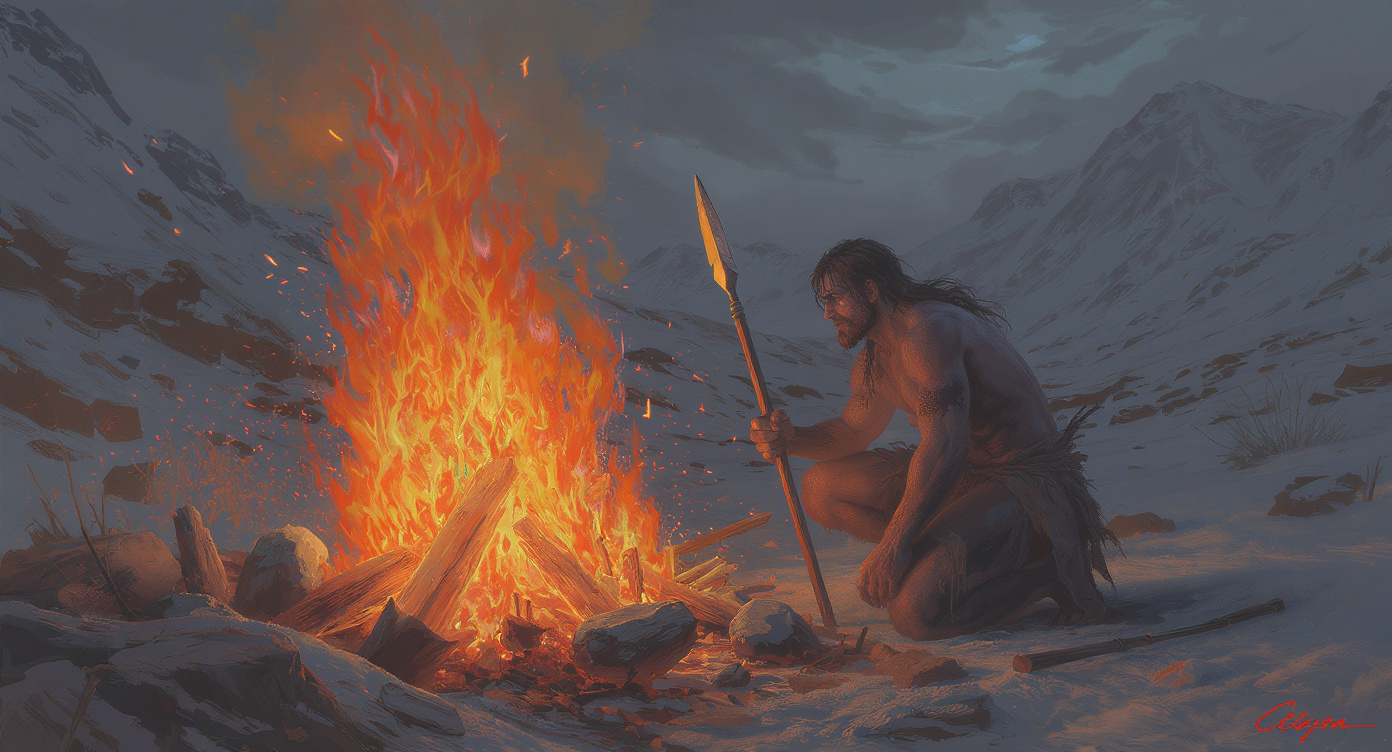
A new study reveals that frequent fire burns played a role in human evolution by promoting the development of unique genetic adaptations for tissue healing and fighting infections. These findings help explain the differences in burn responses between humans and animals.
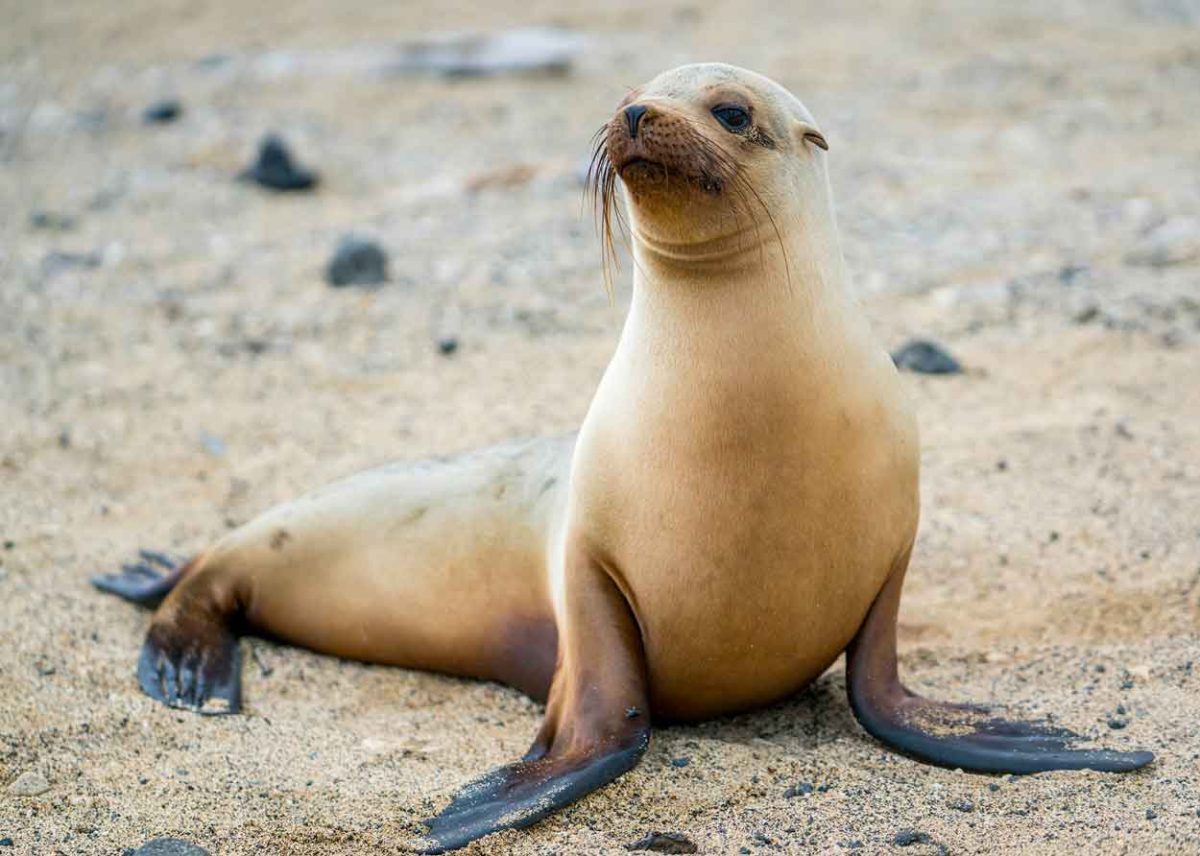
Long-term observations in the Galapagos have revealed that adult sea lions continue to nurse from their mothers, defying typical biological norms. This unusual behavior raises new questions for scientists.
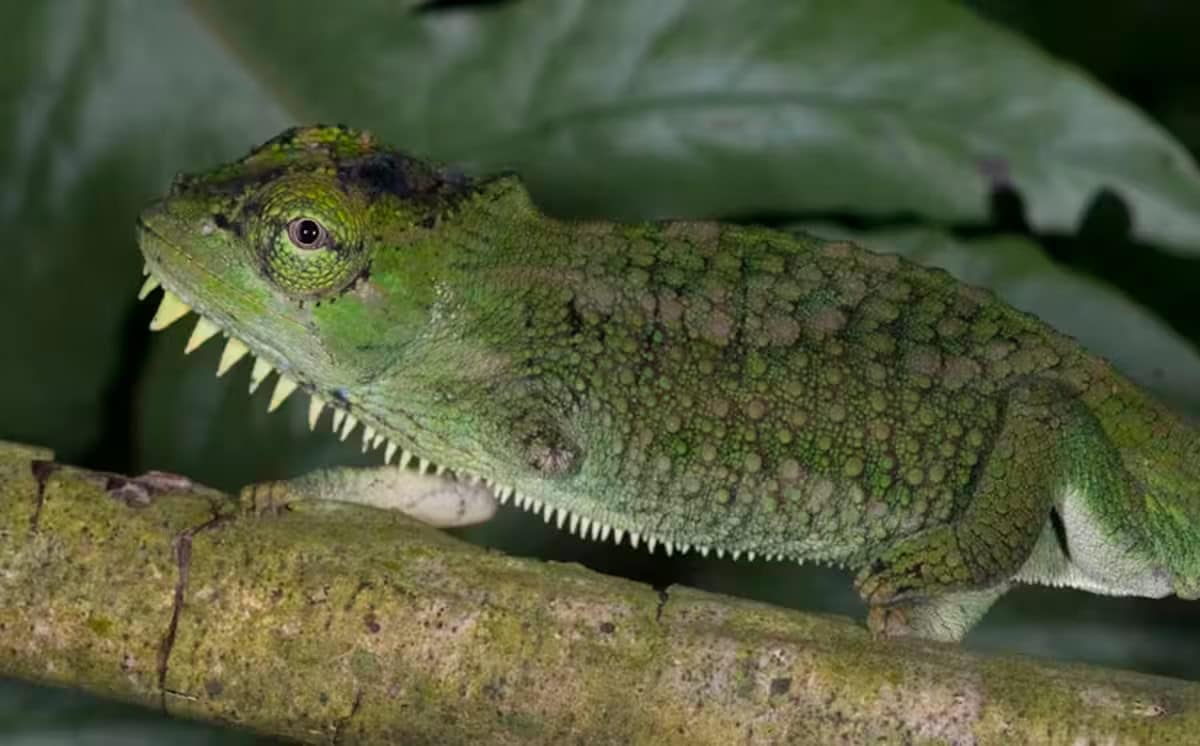
A new study has shown that lizards which have lost their limbs are able to successfully adapt and survive in the wild, remaining active and even reproducing. These findings challenge traditional views on natural selection.

 Cursus