

Legless lizards have amazed scientists with their ability to survive.
A new study has shown that lizards which have lost their limbs are able to successfully adapt and survive in the wild, remaining active and even reproducing. These findings challenge traditional views on natural selection.
Cursus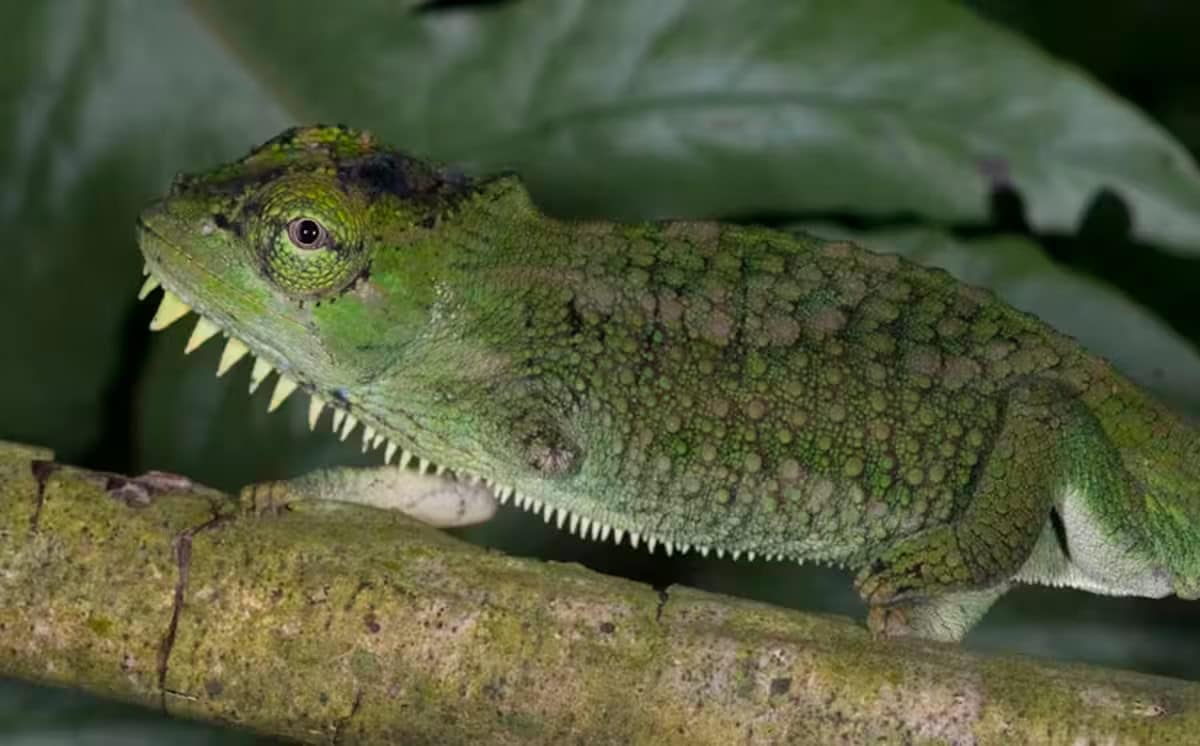
At first glance, a lizard that has lost a limb may seem doomed: missing a leg can make it harder to find food, reproduce, and leaves the animal more vulnerable to predators. However, a new study by an international team of scientists shows that the situation is not so clear-cut. Reptiles not only survived and recovered from injuries, but also successfully adapted to their disabilities, often maintaining good physical condition.
Unexpected Resilience to Injury
Biologists have long documented cases where injured animals survive in the wild despite the laws of natural selection. For example, researchers from Concordia University (Canada) have previously described similar phenomena in primates, including macaques and baboons.
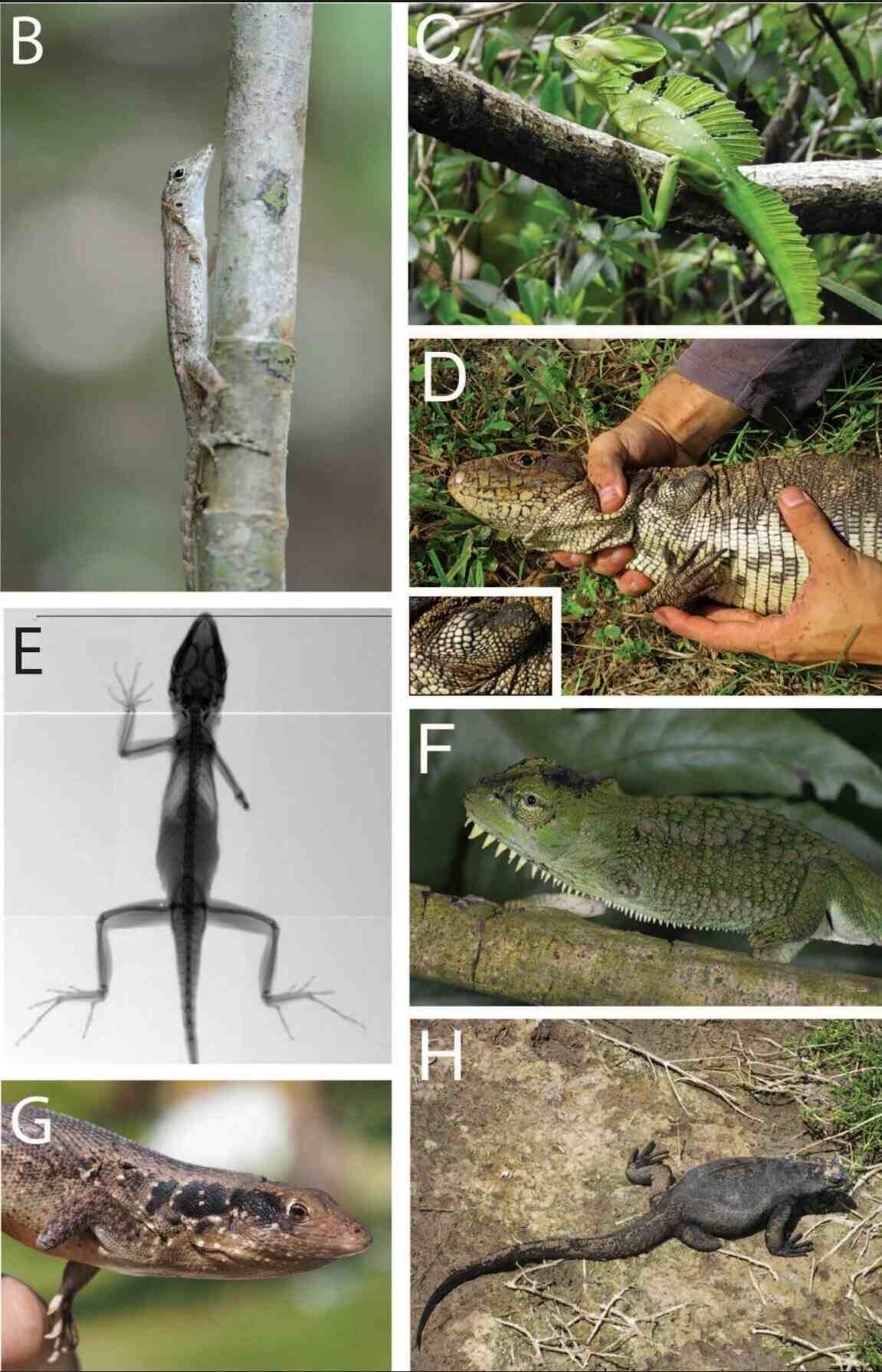
In a recent article published in The American Naturalist, scientists focused on lizards. They documented 122 cases of limb loss across 58 species—from tiny geckos to large iguanas.
The Story Behind a Discovery
The idea to study this issue arose after an unusual incident in the Bahamas: scientists struggled for a long time to catch an especially agile brown anole (Anolis sagrei). When they finally caught the lizard, they discovered it was missing its entire left hind leg. This observation inspired the researchers, with support from colleagues in various countries, to investigate how common such cases are.
Previously, biologists noted that even a small difference in leg length could be critical for a lizard’s survival. However, the collected data challenged the assumption that losing a limb inevitably leads to death.
Adaptation and Survival
The study found that in terms of physical condition, ability to find food, and speed of movement, lizards with limb defects often matched their healthy counterparts. Some even reproduced actively. Scientists were especially surprised to find survivors among chameleons, which seemingly require perfect coordination to climb trees.
During the experiment, reptiles participated in something like athletic competitions, observed with high-speed cameras. Some three-legged individuals did move more slowly, but others were even faster than healthy lizards. One lizard, missing half of its hind leg, compensated with more pronounced body bends, reminiscent of snake-like movements.
New Perspectives on Evolution
Although lizards missing a limb are quite rare (usually less than 1% of the population), scientists believe their findings prompt a reconsideration of traditional views on evolution. It’s possible that natural selection does not always operate as strictly as Darwin described it, as a force working “daily and hourly.” Sometimes, for example, when food is abundant and predators are scarce, limb length may become less critical for survival, giving lizards a chance at a full life, the researchers conclude.