A study of wintering at an Antarctic station revealed that constant close contact within a small group does not always improve relationships and can actually increase stress. These findings are important for preparing future space missions and other extreme environments.
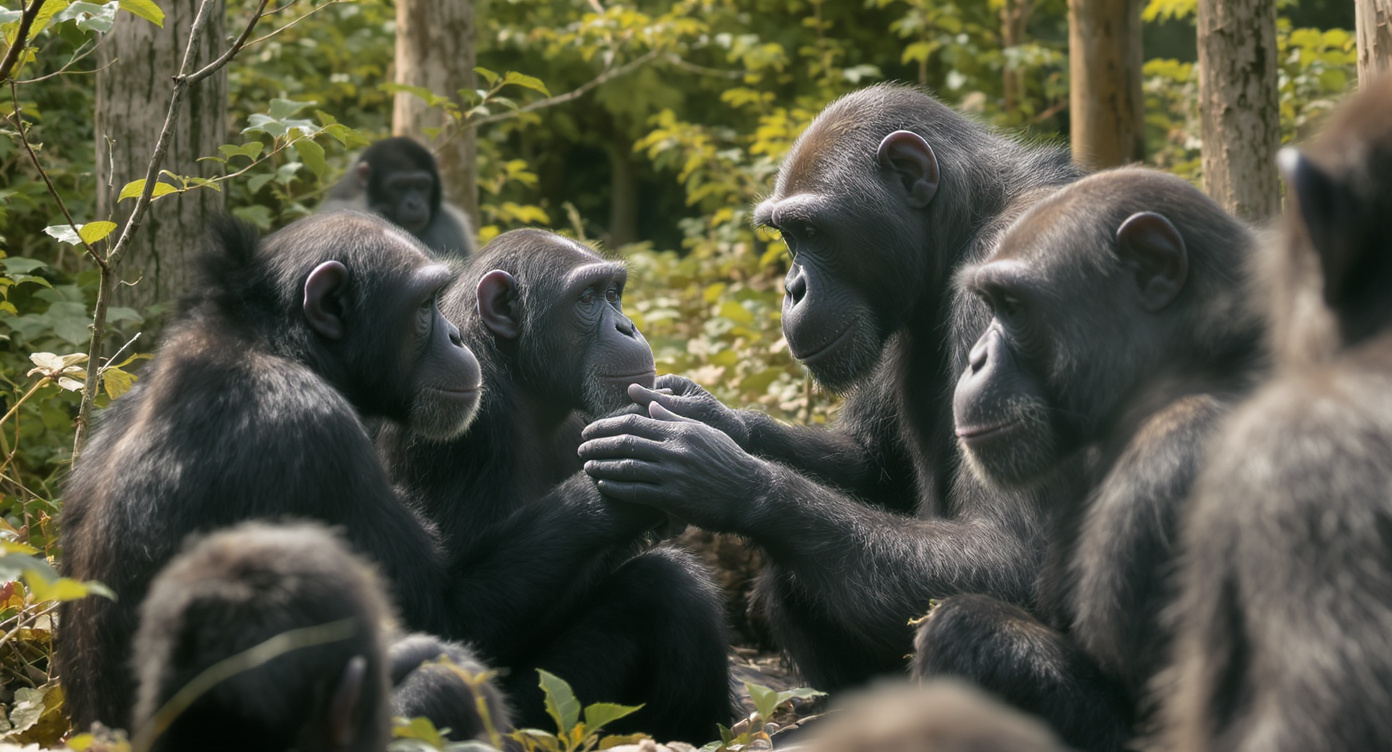
The study revealed that chimpanzees and bonobos form social bonds based on the same principles as humans, distinguishing between close companions and acquaintances. This pattern of social organization emerged long before humans appeared and reflects an ancient evolutionary mechanism for optimally distributing attention and resources.
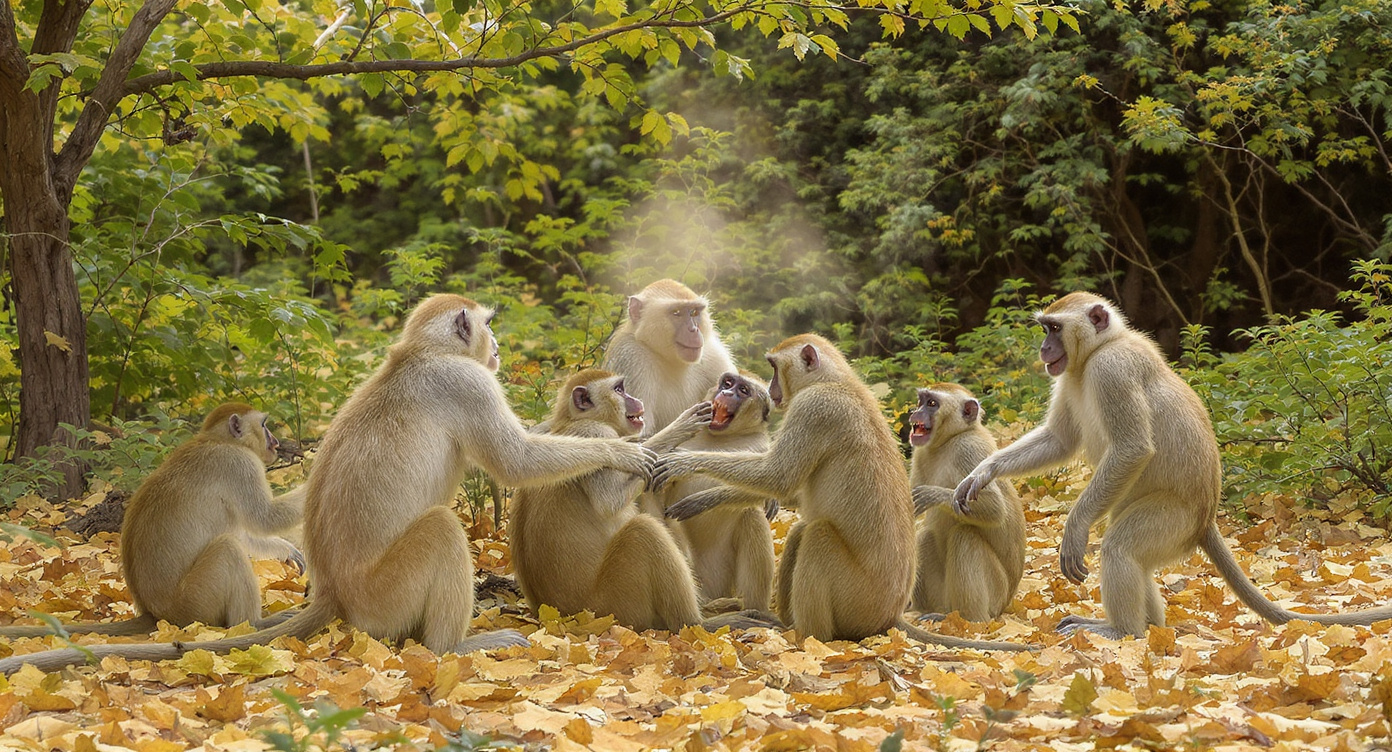
A new study has shown that adult primates’ tendency to engage in play is determined not by their physical characteristics, but by the social structure of their group: play persists where equality and tolerance prevail. In hierarchical societies, such interactions disappear because the risks outweigh the potential benefits.
Long-term studies have shown that some people over the age of 80 maintain memory and mental sharpness at a level comparable to much younger individuals. Examining their brains and lifestyles helps us understand the mechanisms behind resilience to dementia and may lead to new strategies for preventing age-related cognitive decline.
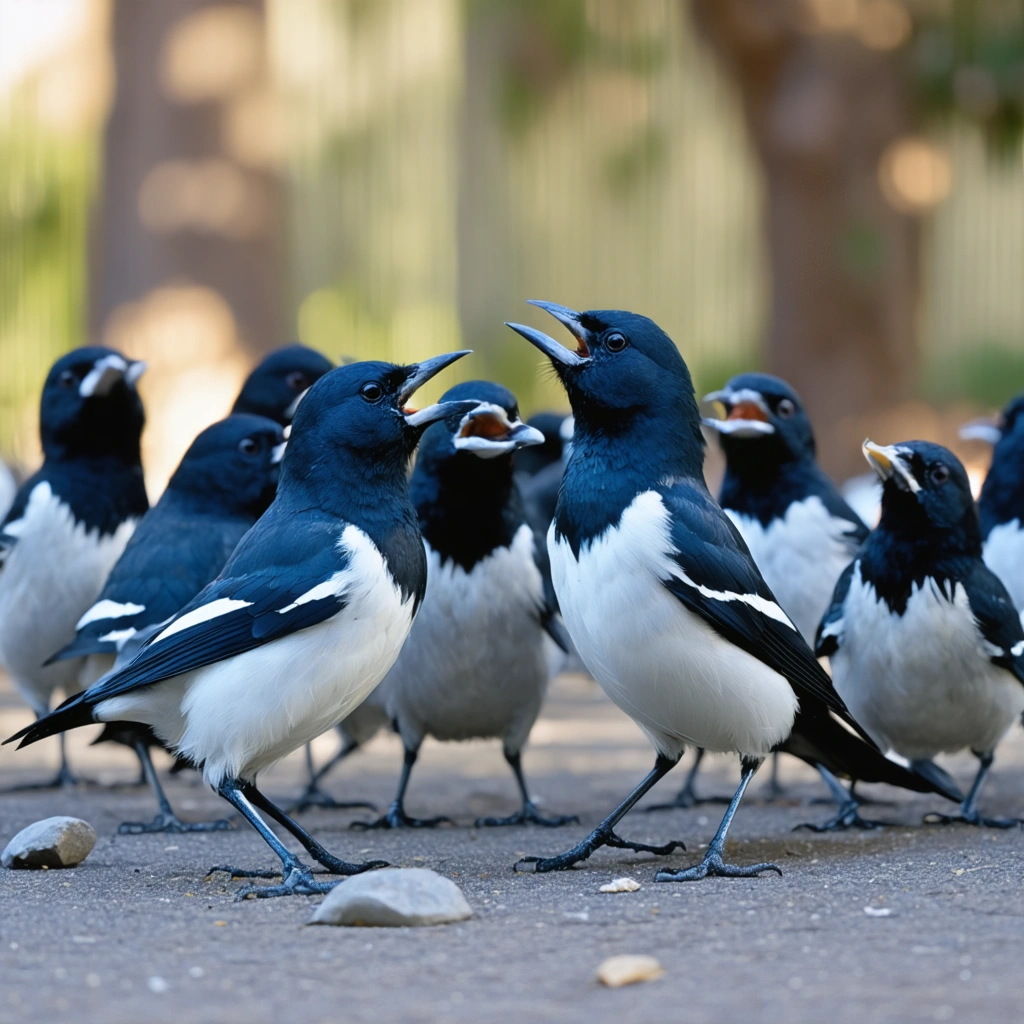
A new study has shown that close social bonds among Western Australian magpies accelerate their learning of complex vocal combinations, while a wider social circle helps them develop a more diverse vocal repertoire. Social activity has been identified as a key factor in the development of communication skills in birds.
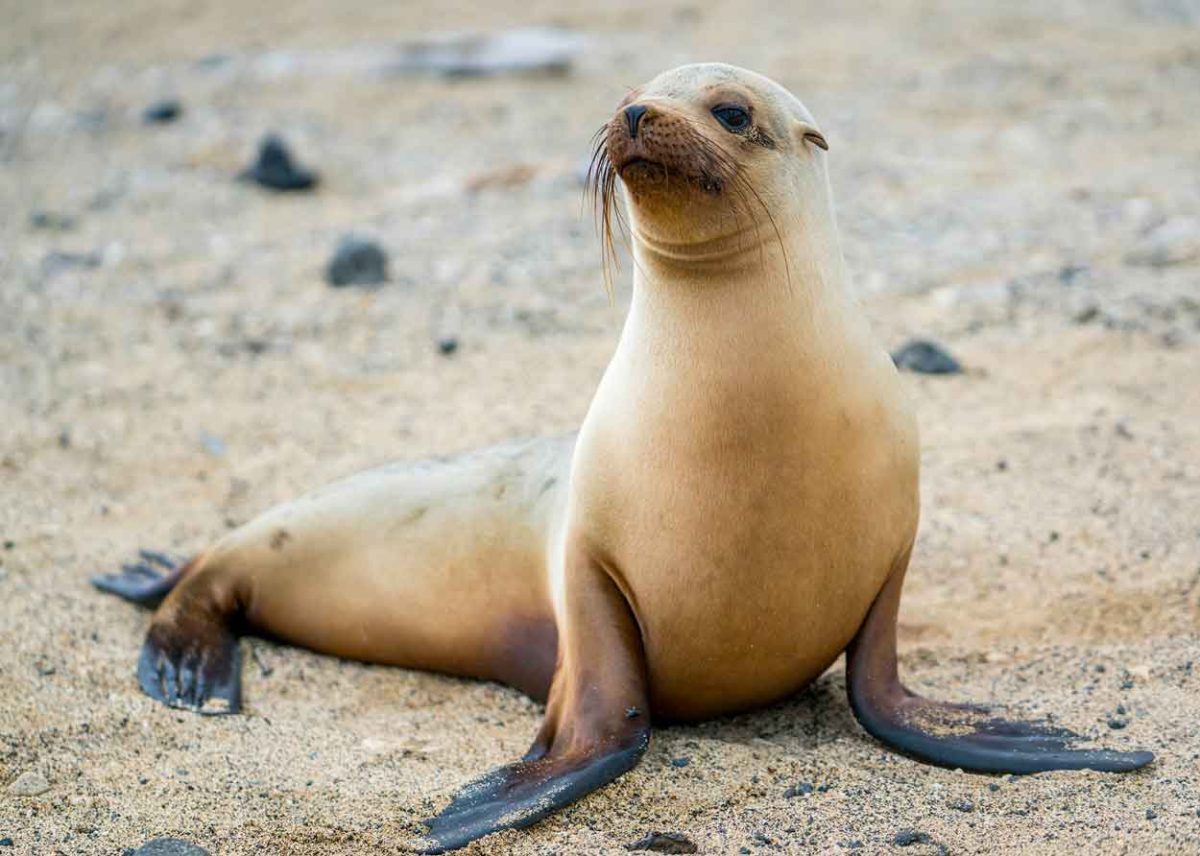
Long-term observations in the Galapagos have revealed that adult sea lions continue to nurse from their mothers, defying typical biological norms. This unusual behavior raises new questions for scientists.
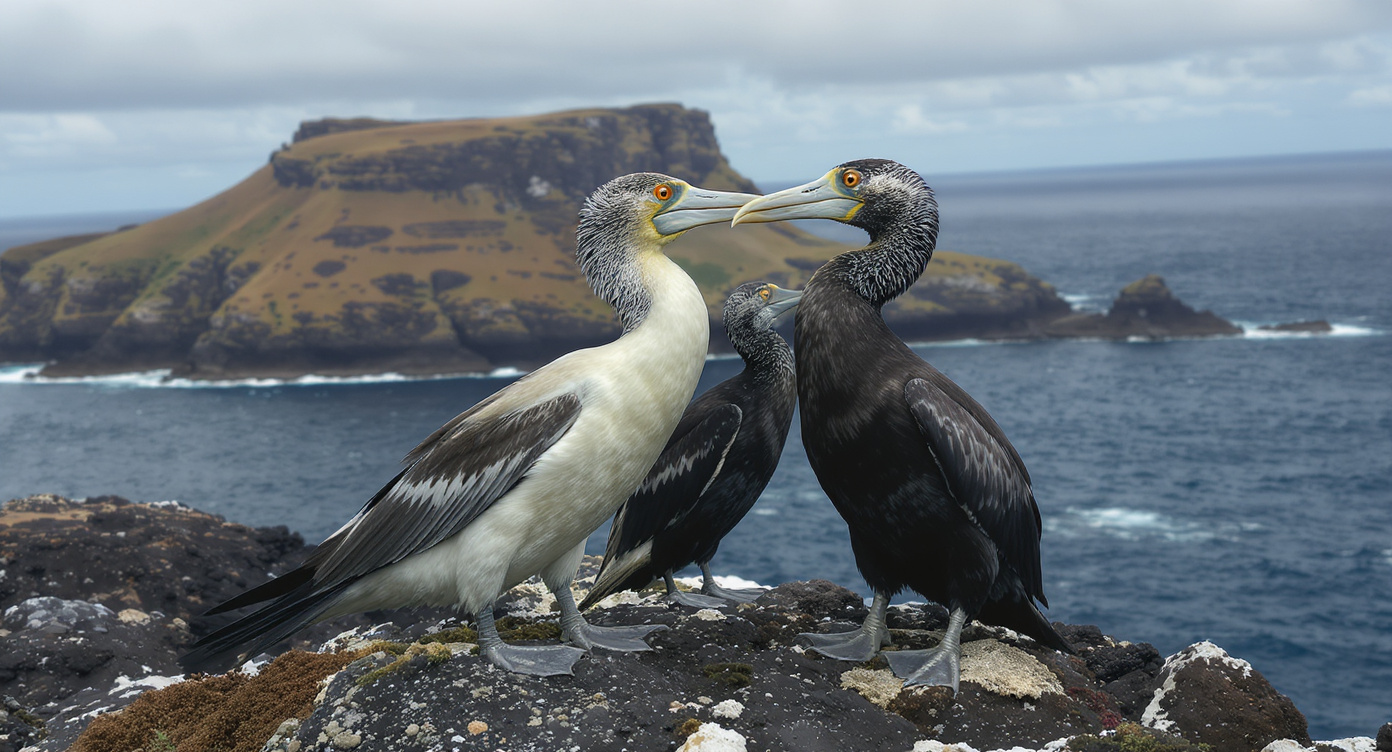
A study has shown that female Nazca boobies enjoy sexual freedom and openly mate with different males, but they only produce offspring with their regular partners, carefully controlling paternity through a strict meeting schedule. This strategy allows them to select the best mates for future breeding seasons.


 Cursus