

Constant closeness increases stress during isolation
A study of wintering at an Antarctic station revealed that constant close contact within a small group does not always improve relationships and can actually increase stress. These findings are important for preparing future space missions and other extreme environments.
Cursus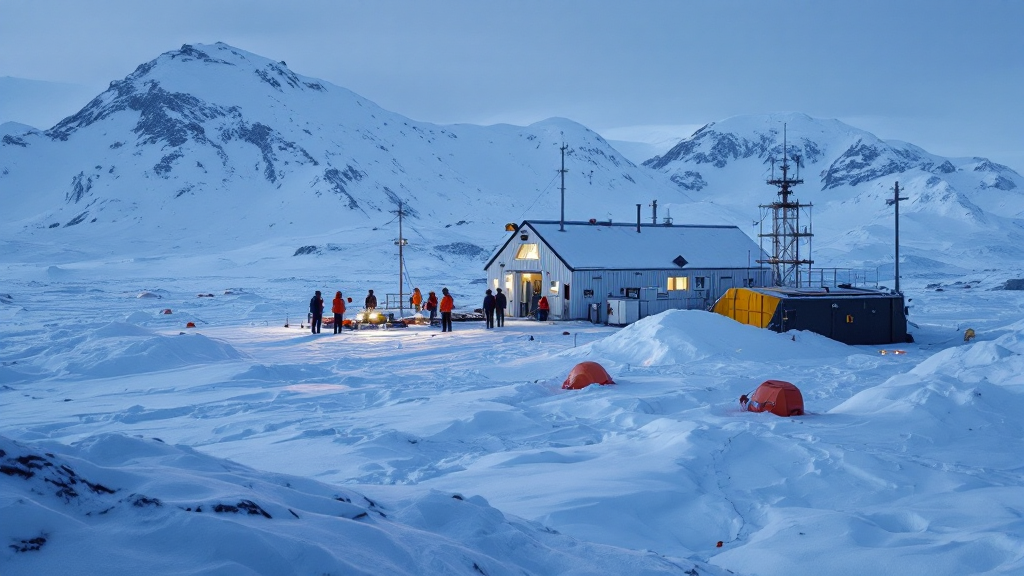
Long-duration space missions can lead to small crews experiencing isolation, limited space, and significant psychological stress over many months. To study how such conditions affect teamwork, an international team of researchers analyzed a ten-month winter stay at the Concordia Antarctic station.
Features of Concordia Station
Concordia Station is located in one of the most remote regions on Earth, where winter temperatures can drop as low as minus 80 °C. This isolation makes it an ideal model for future long-term missions to the Moon or Mars.
Study Process
The study involved 12 crew members who, over ten months, completed surveys four times. Additionally, they wore sensors that automatically recorded when and for how long they were near other team members. By combining survey and sensor data, researchers tracked changes in loneliness, trust, conflict, social connections, team cohesion, and self-perceived effectiveness throughout the mission.
Main Findings
One key finding was that spending more time near other crew members did not always improve social dynamics. Participants who interacted more frequently with colleagues also reported increased conflicts, reduced trust, and lower effectiveness. This suggests that constant proximity can become an additional source of tension in confined environments. While isolation can be challenging, the inability to find privacy can also cause stress.
The study identified only correlations, not direct cause-and-effect relationships. For example, people feeling lonely might seek more interaction, even if those contacts do not provide the needed support.
Sensor data showed that, over time, the crew began to split into smaller subgroups. People tended to spend more time with those who spoke the same language or had similar backgrounds. Such connections can help manage stress but may also contribute to division and weaken unity in multinational teams.
Implications for Future Missions
These findings are especially relevant for future space missions, where small crews will have to live and work together for months or years, with little personal space and limited opportunities for outside communication. The results may also be useful for other extreme environments, such as submarines, oil platforms, or remote research stations.
The study also demonstrated that wearable sensors can reliably function in harsh conditions, allowing researchers to monitor changes in daily social interactions without significantly interfering with crew life. Future research aims to examine in more detail which types of social contacts help reduce stress and which, on the contrary, increase it.