

Potatoes changed the genes of Andean inhabitants 10,000 years ago
The shift to a potato-based diet around 10,000 years ago led the inhabitants of the Andes to develop a significant increase in the number of amylase gene copies, which helped them digest starch more efficiently. This genetic adaptation optimized their metabolism, but it is also linked to modern issues such as a higher prevalence of tooth decay.
Cursus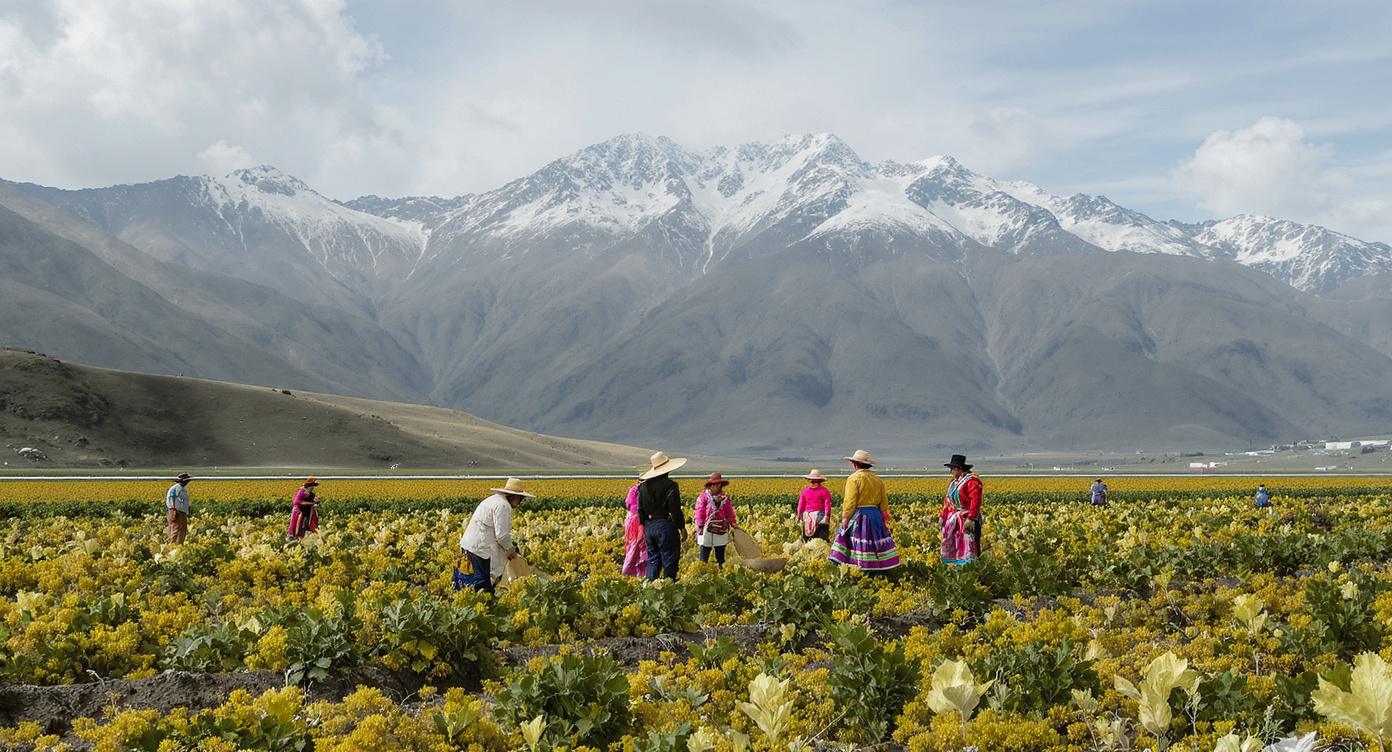
American and Peruvian geneticists have discovered that around 10,000 years ago, the shift to a potato-based diet triggered significant changes in the genome of the indigenous peoples of the South American Andes. To efficiently digest the increased amount of starch, these populations underwent multiple duplications of the AMY1 salivary amylase gene. Today, Peruvians have the highest number of copies of this gene in the world.
Genetic Features of Starch Digestion
The AMY1 gene is responsible for producing the enzyme amylase, which begins breaking down complex carbohydrates into simple sugars right in the mouth. In the human genome, the number of copies of this gene varies—from two to twenty. The more copies present, the higher the enzyme level and the faster starchy foods are digested.
Historical Context and Genetic Research
The Andean region is considered the birthplace of the potato, where agriculture emerged thousands of years ago. It was long assumed that a diet rich in starch would influence the genetic makeup of the local population, but the complex structure of the DNA segment made studying this adaptation difficult.
In a recent study, the genomes of 3,723 individuals from 85 global populations were analyzed, with special attention to the DNA of Peruvian Quechua and Mexican Maya indigenous peoples. These groups share a common ancestry, but their ancestors domesticated different crops: the Quechua cultivated potatoes, while the Maya focused on maize.
Analysis Results
It was found that indigenous Peruvians (Quechua) and Pima Indians from North America have the highest number of AMY1 gene copies—the median is 10 copies, compared to the global average of seven. A specific genetic variant (haplotype) was identified, containing five or more haploid copies of amylase.
Mathematical modeling showed that this variant was initially rare among South American Indians (about 2%), but under strong natural selection, its frequency among the Quechua rose to 45%. This event began roughly 10,000 years ago, coinciding with archaeological evidence for potato domestication near Lake Titicaca.
Associated Genetic Changes and Consequences
Alongside the increase in amylase gene copies, the MGAM gene, which codes for an enzyme that processes carbohydrates at the next stage of digestion in the intestine, also evolved in Andean populations. Similar gene duplications are observed in other species: for example, dogs have a much higher number of amylase gene copies compared to wild wolves after adapting to life alongside humans and consuming their food.
However, such adaptation has a downside. High levels of amylase cause starch to break down into simple sugars already in the mouth, creating a favorable environment for bacteria. Today, more than 85% of Peruvian schoolchildren suffer from tooth decay.
Conclusions
This study demonstrated that a dramatic change in diet can trigger rapid adaptation in a population. To adjust to new conditions, evolution employs the mechanism of direct duplication of entire genetic blocks, allowing the organism’s physiology to be optimized for a new energy source.