 Natura
Ecology and environment · Water ConservationResearch and development · Climate ResearchEcology and environment · Climate Change
K’gari Lakes: How Climate Affects Their Disappearance
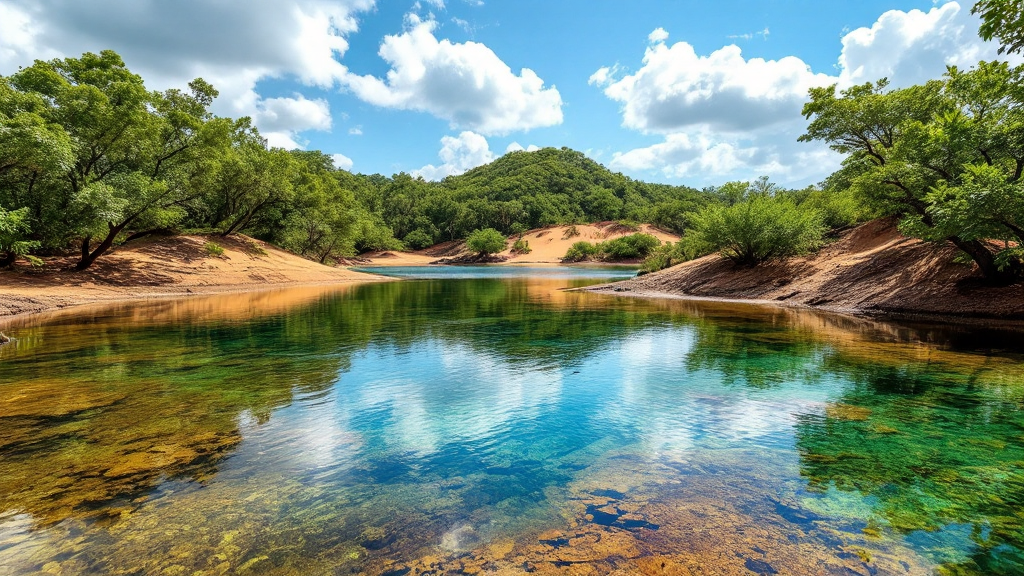
A new study has shown that even the largest lakes on K’gari Island could disappear under certain climate conditions. The fate of these bodies of water depends not only on the amount of rainfall, but also on wind direction and how rain is distributed, making their future uncertain as the climate continues to change.
0 —