A new study of ancient rocks in Northern Australia has revealed that even the earliest eukaryotes depended on oxygen. This evidence confirms the crucial role of oxygen in the evolution of complex life on Earth.
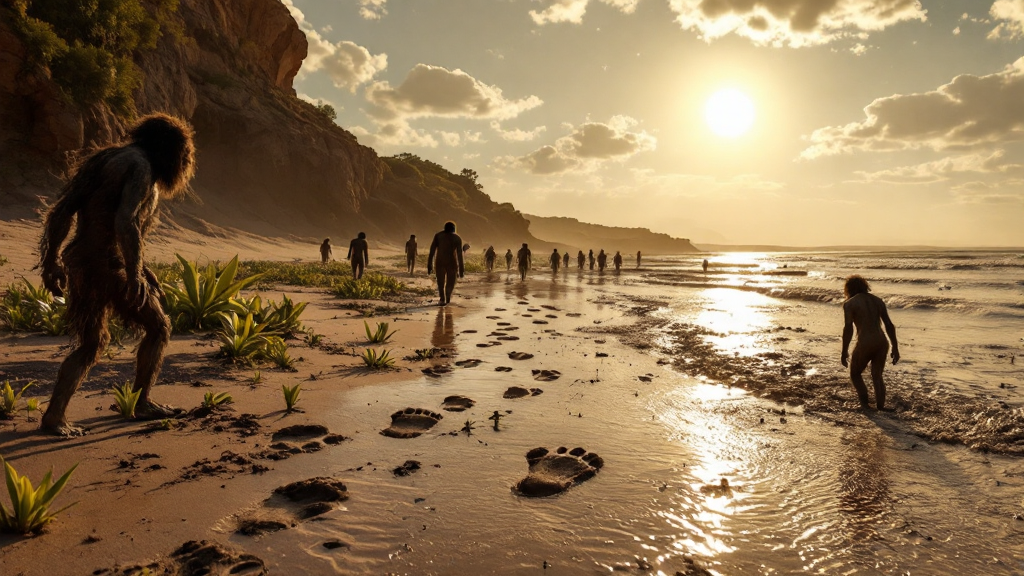
A study of ancient footprints on the shore of a lake in Kenya has revealed inconsistencies between the structure of the hominin foot and their body size, making it difficult to determine their species. These discoveries also offer a rare glimpse into the social behavior of ancient primates.
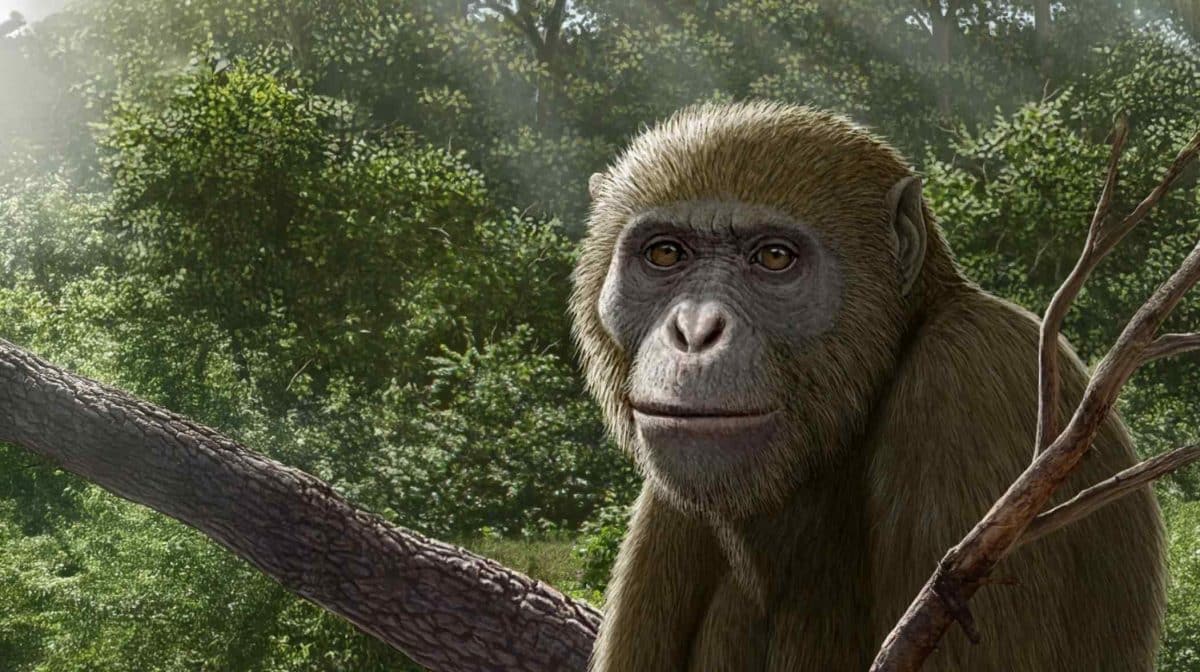
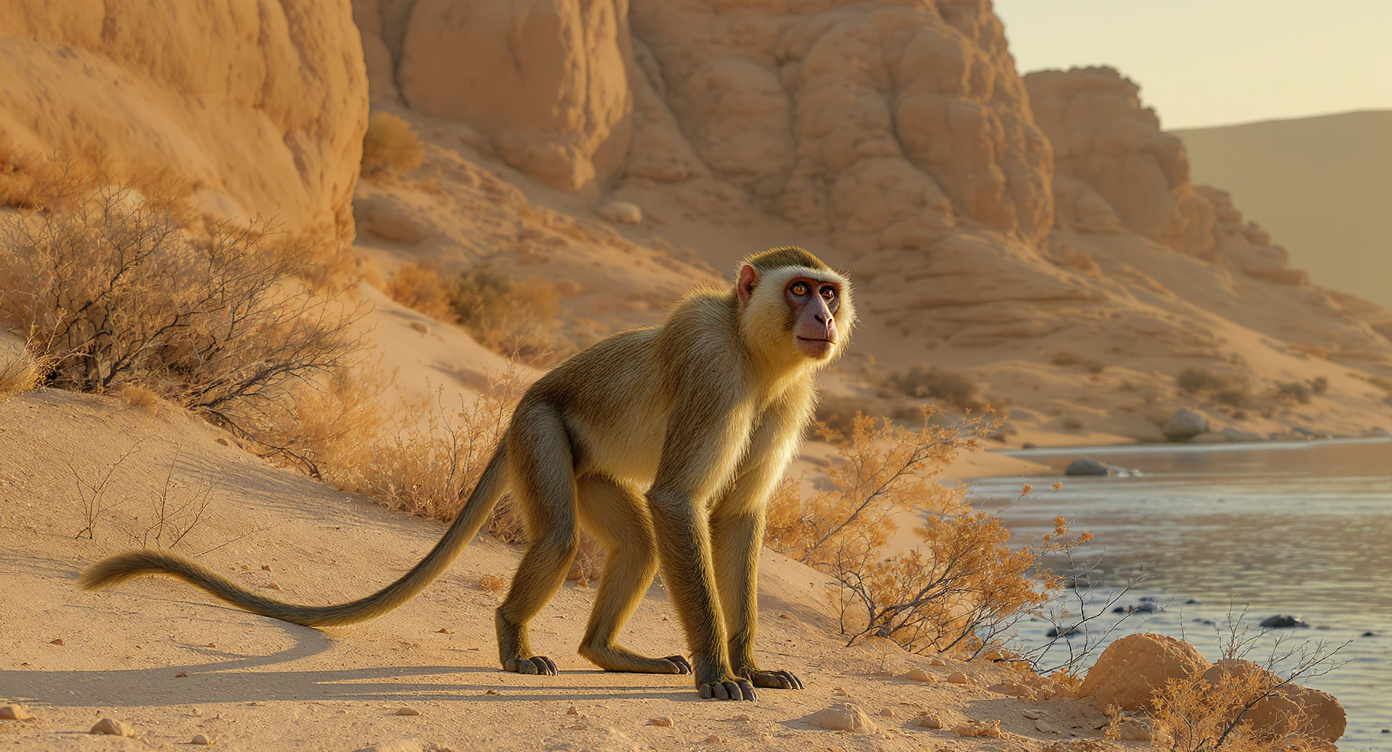
A new discovery in Egypt has cast doubt on previous ideas about the origins of apes: the ancient primate that was found appears to be closer to the common ancestor of humans and modern apes than the East African species. This finding could change our understanding of the geographic history of primate evolution.
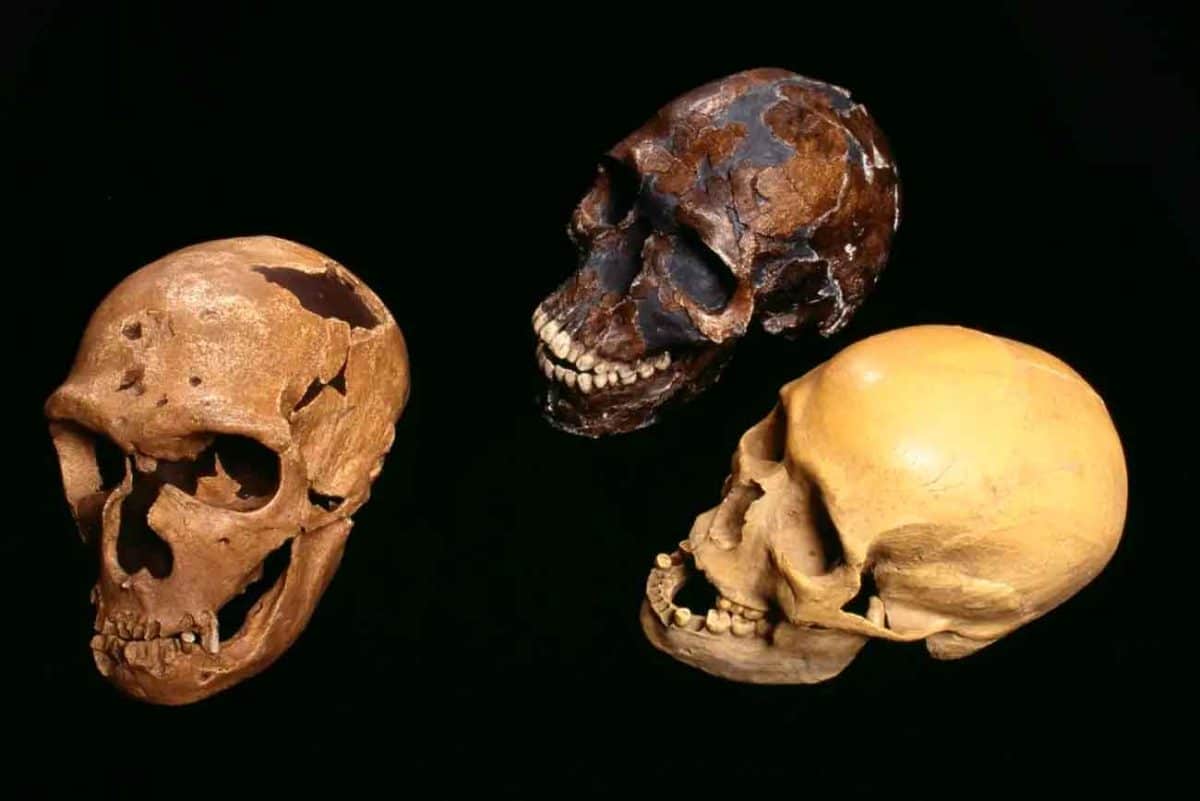
A new study challenges the traditional view that the increase in brain size among Homo species was the result of natural selection, suggesting instead that this process may have occurred by chance. An analysis of skulls indicates that these changes are better explained by models of neutral evolution rather than by directed selection.
Paleontologists have discovered the oldest known firefly in Burmese amber, which lived nearly 100 million years ago. The study revealed that the bioluminescent glow and flashing system of fireflies have remained virtually unchanged for tens of millions of years.
An international team of scientists has discovered fossils of the ancient primate Masripithecus moghraensis in Egypt, a species closely related to the ancestors of modern apes. This discovery could reshape our understanding of the geography of their evolution, highlighting the significant role of North Africa.
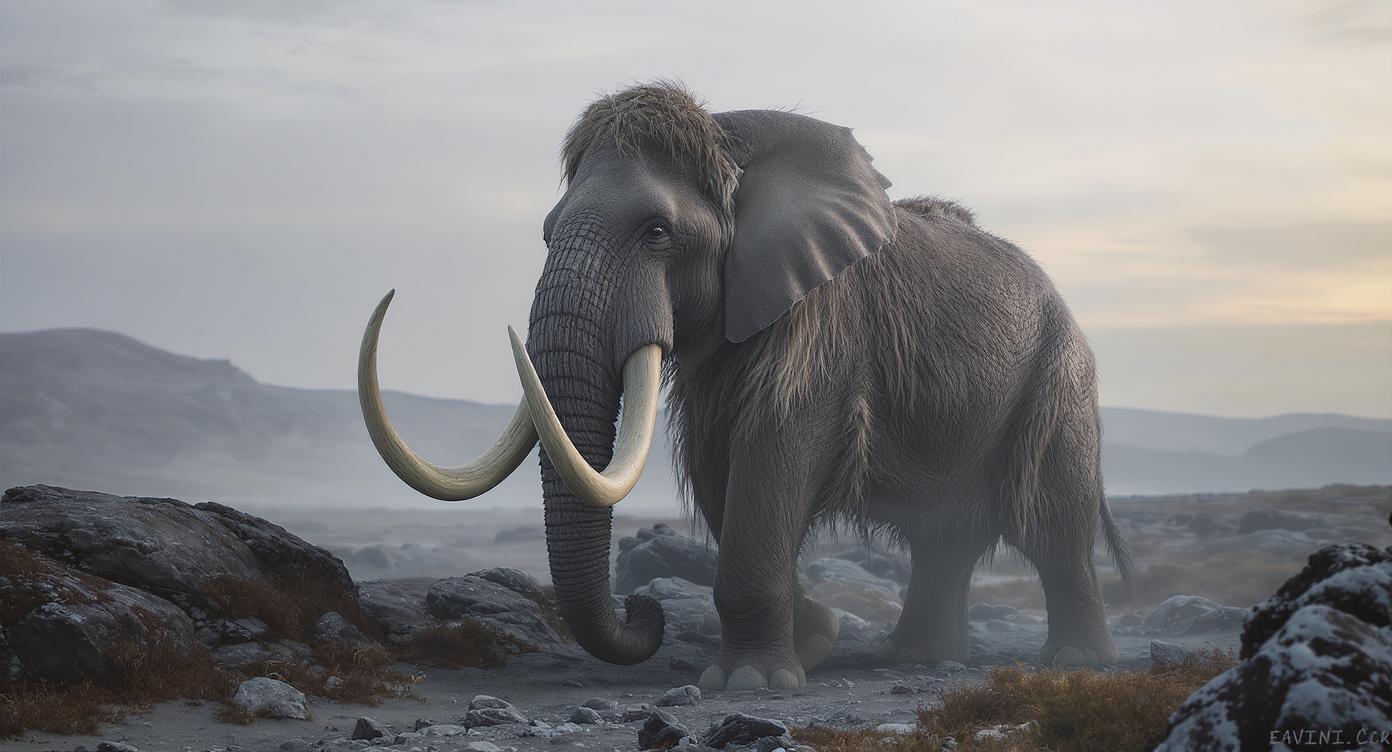
A new study has shown that Neanderthals primarily hunted adult male ancient elephants, as their solitary lifestyle made them more vulnerable compared to family groups.
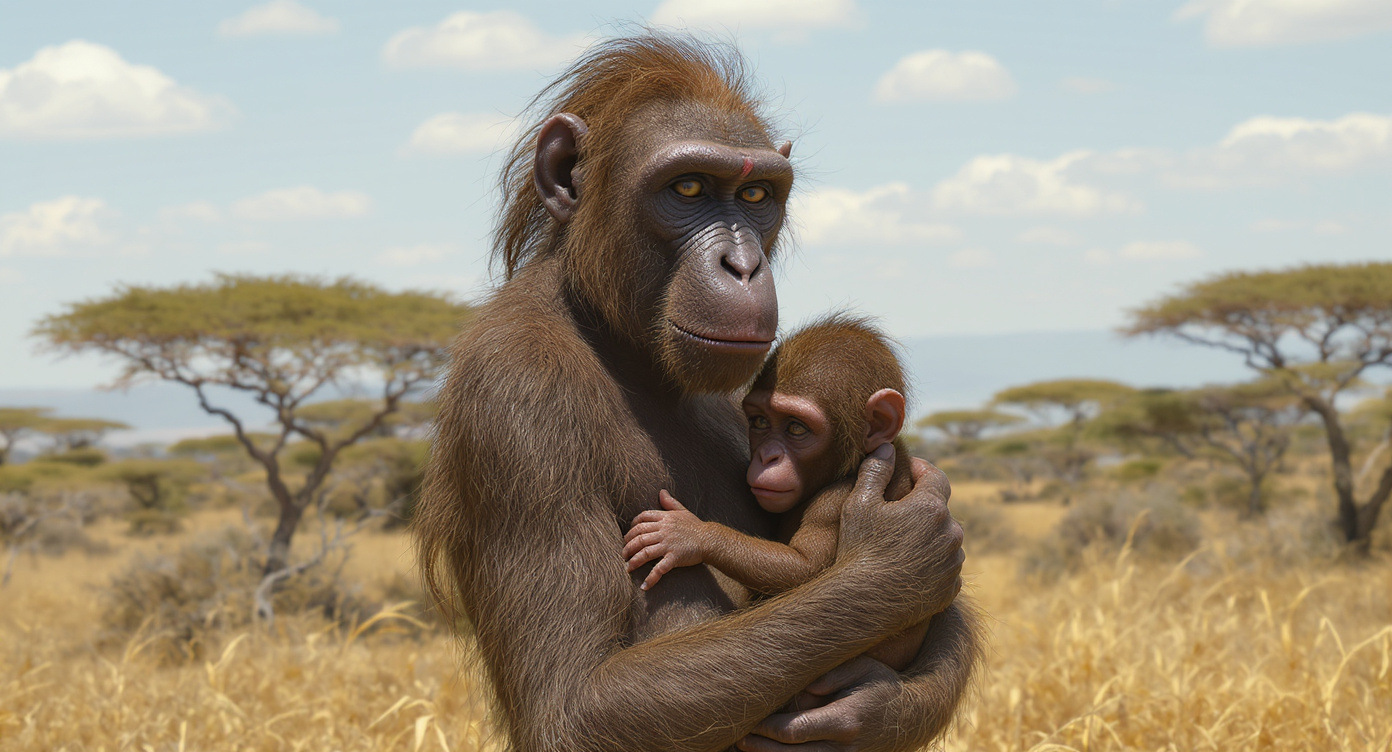
A new study has shown that australopithecines faced childbirth difficulties similar to those experienced by modern women. The evolution of upright walking and changes in pelvic structure made the birthing process more complicated for human ancestors millions of years ago.
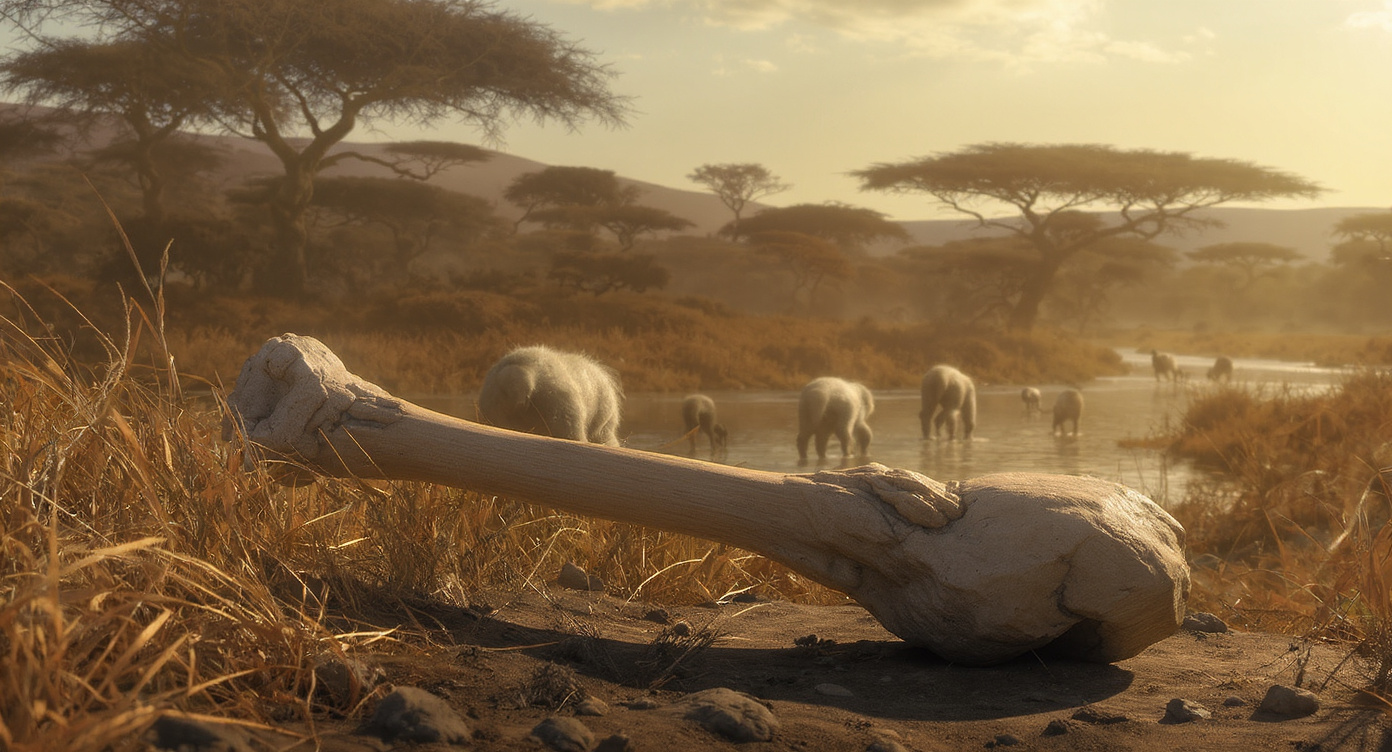
The discovery of a femur belonging to an ancient female hominin in Bulgaria could reshape our understanding of human origins, suggesting a possible European origin for the first upright-walking beings. Analysis of the find revealed features indicative of bipedal movement, making Graecopithecus one of the earliest known bipeds.
A new study has shown that the first sponges appeared around 600 million years ago and were soft-bodied, lacking skeletons. This explains why their fossils are absent from ancient rocks and prompts a reevaluation of how skeletons evolved in sponges.
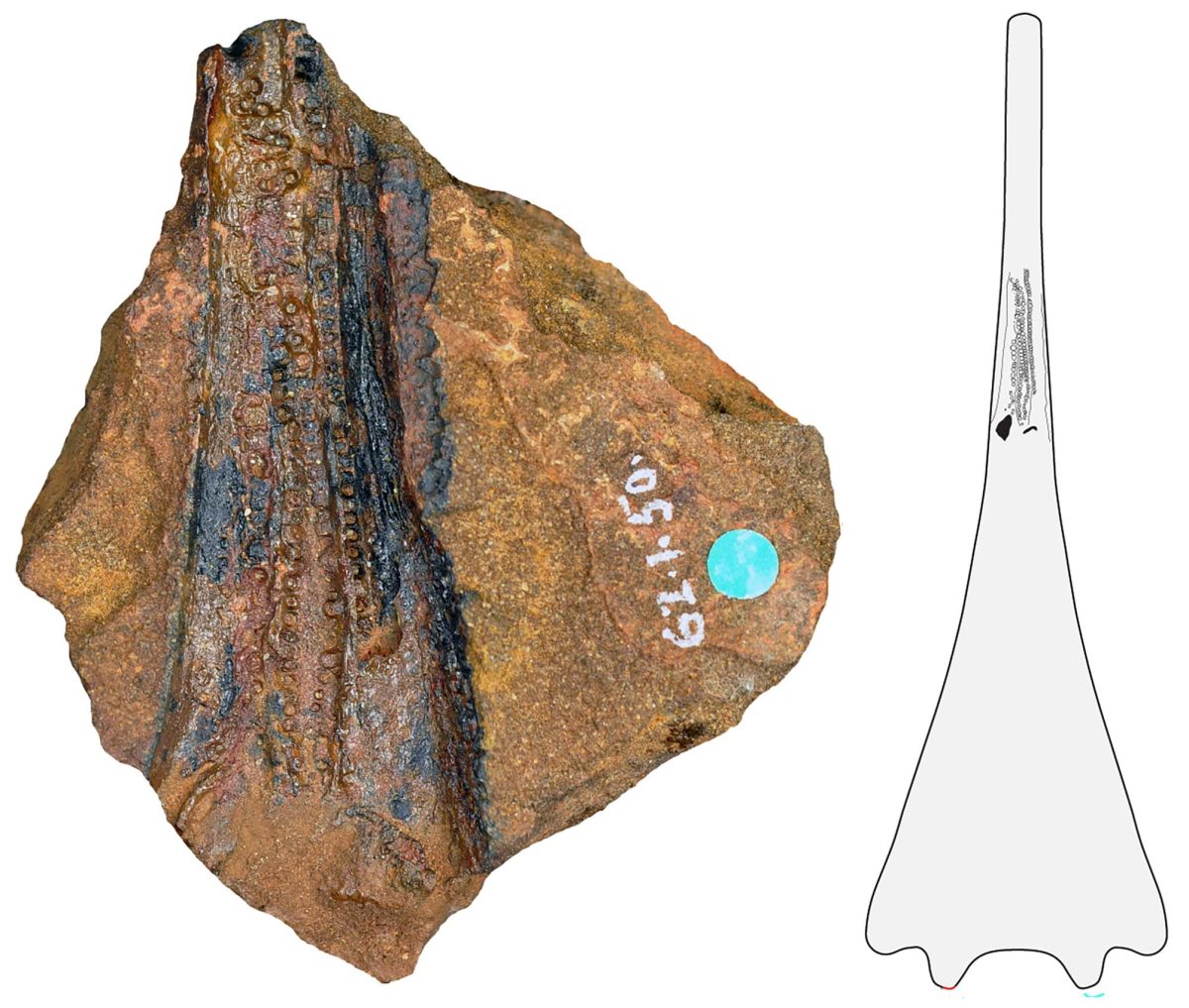
A recent analysis of fossils has revealed that remains in Australia, previously thought to belong to a single species of ancient marine predators, actually represent two distinct species. This discovery points to a more complex ecosystem following the Permian-Triassic extinction and broadens our understanding of ancient amphibian migrations.
A new study has revealed that giant sharks emerged and took on the role of top marine predators much earlier than previously thought, successfully competing with ancient marine reptiles.
Paleontologists have discovered the world's largest collection of dinosaur tracks in Bolivia—over 16,000 footprints that provide evidence of organized migrations and complex behaviors among ancient predators. Using drones and 3D modeling, researchers were able to identify unique routes, walking patterns, and even traces of swimming left by dinosaurs.
A new study has revealed that the first migrants from Africa were small in stature and had archaic features, rather than being large, athletic individuals as previously believed. This finding changes our understanding of the early evolution and migrations of Homo erectus.


 Cursus