After the mass extinction at the end of the Triassic period, ferns quickly colonized the newly available territories, creating landscapes that contributed to frequent wildfires. Research indicates that this destructive cycle lasted for tens of thousands of years and significantly altered the planet’s ecosystems.
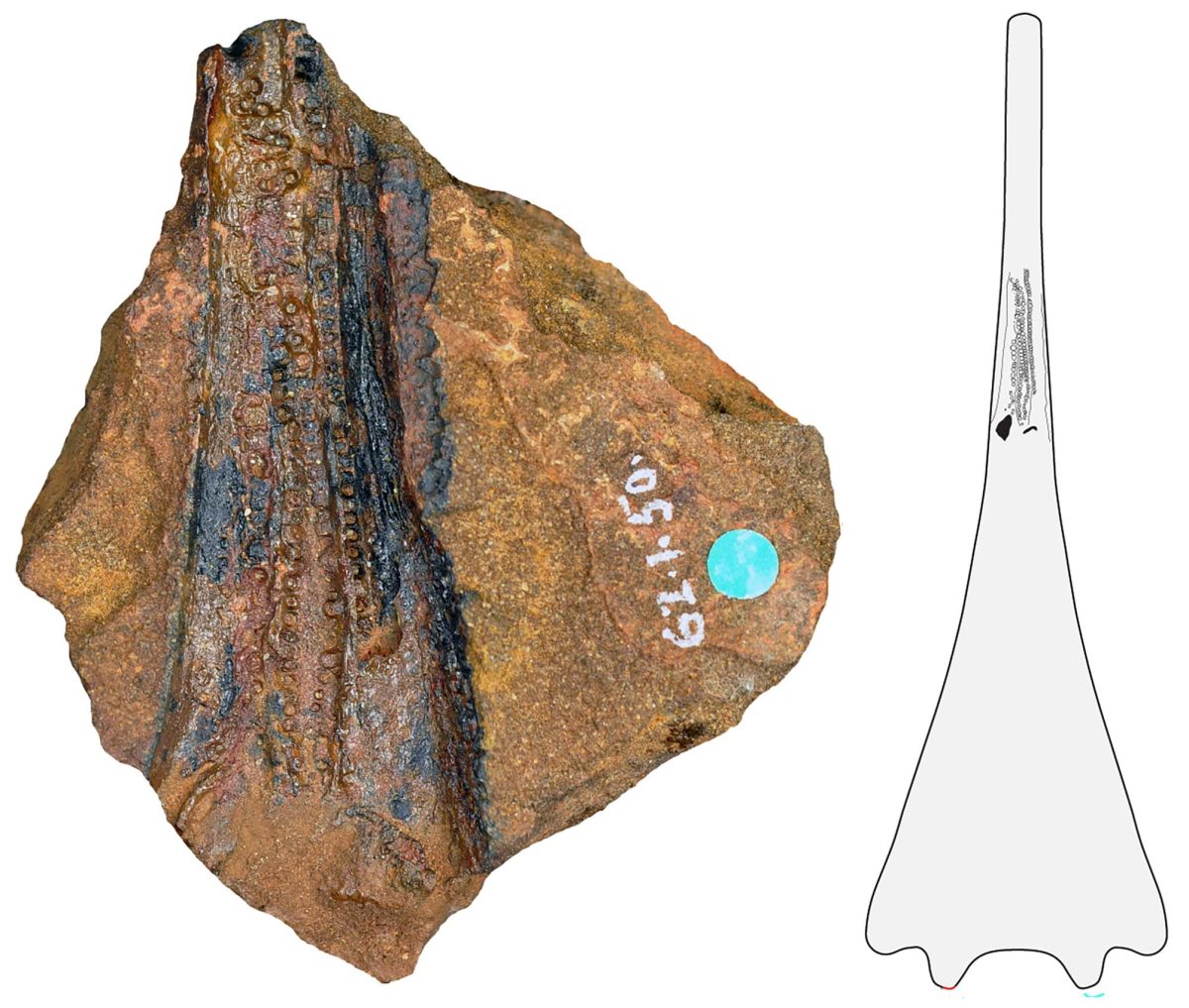
A recent analysis of fossils has revealed that remains in Australia, previously thought to belong to a single species of ancient marine predators, actually represent two distinct species. This discovery points to a more complex ecosystem following the Permian-Triassic extinction and broadens our understanding of ancient amphibian migrations.
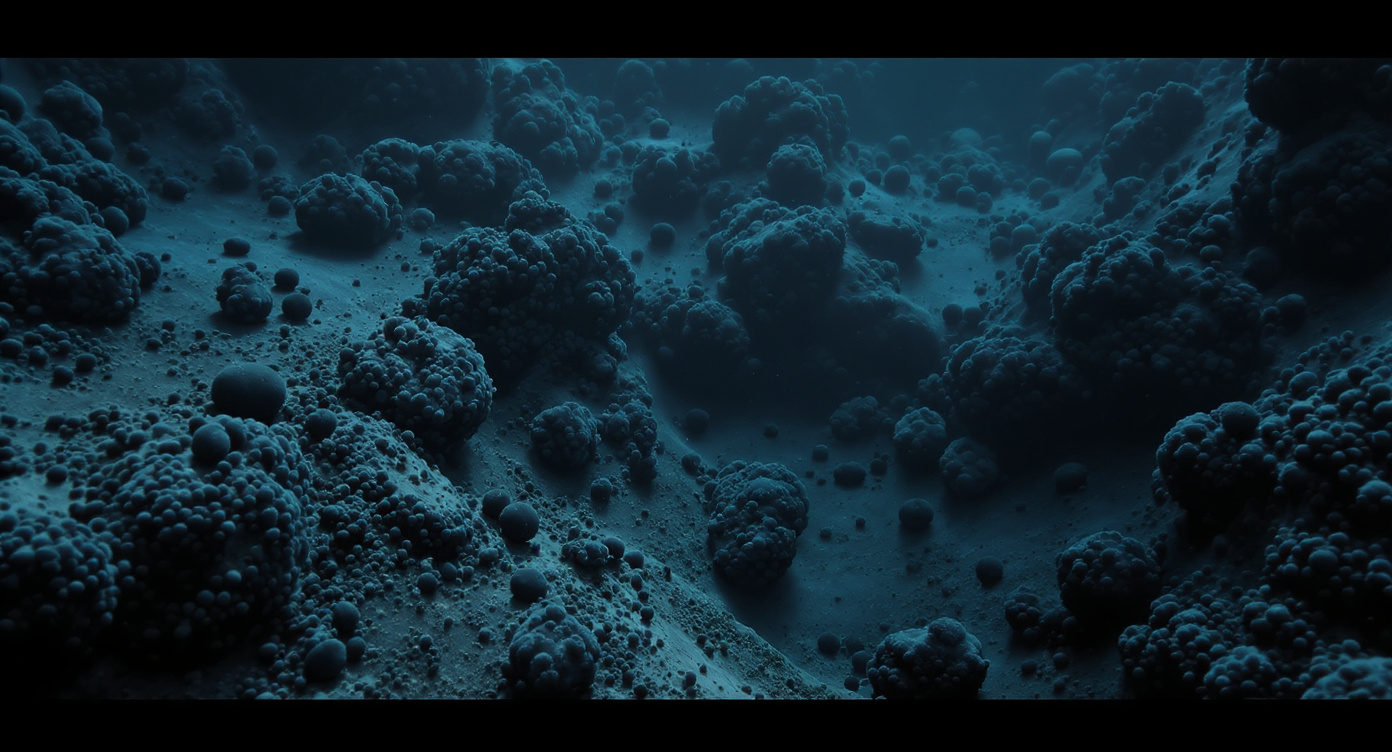
Recent studies have shown that the mechanism by which deep-sea organisms feed on "marine snow" emerged soon after the mass extinction 444 million years ago and has since helped maintain the stability of marine ecosystems. This discovery sheds light on how life was able to recover rapidly after catastrophic events.


 Natura