

Ferns intensified wildfires after the Triassic extinction
After the mass extinction at the end of the Triassic period, ferns quickly colonized the newly available territories, creating landscapes that contributed to frequent wildfires. Research indicates that this destructive cycle lasted for tens of thousands of years and significantly altered the planet’s ecosystems.
Natura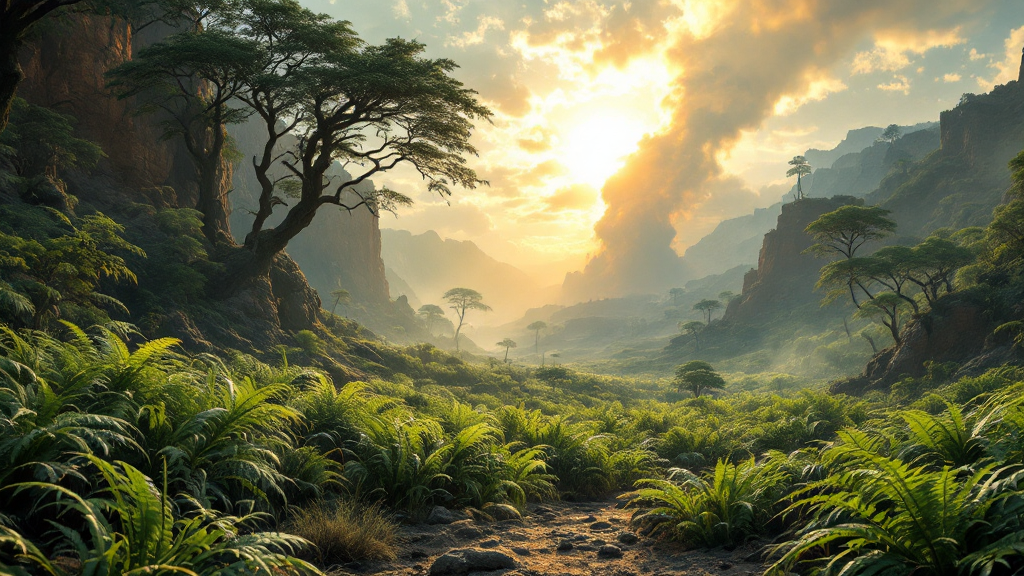
At the end of the Triassic period, around 201 million years ago, a mass extinction event occurred, linked to extensive volcanic eruptions and the breakup of the supercontinent Pangaea. These eruptions released large amounts of carbon dioxide into the atmosphere, causing global temperatures to rise by 5–10 degrees Celsius.
Changes in Vegetation and the Spread of Ferns
As the planet warmed, forests dominated by trees were destroyed. Ferns quickly colonized the newly open areas, forming vast savanna-like landscapes, especially in what is now Northwestern Europe. Studies have shown that these fern-covered regions were highly susceptible to wildfires, with the ferns themselves serving as the main fuel for the spread of fire.
Methods for Studying Ancient Wildfires
To analyze wildfire activity during this period, scientists examined well-preserved sediments from four drill cores, one of which was obtained in the UK and measured 640 meters in length. The research involved measuring the amount of fossilized charcoal and organic compounds formed in wildfire smoke (polycyclic aromatic hydrocarbons, PAHs). Comparing these data with records of fossil pollen and spores revealed a sharp increase in fire activity during the main extinction phase, coinciding with the widespread proliferation of ferns.
Limitations of Traditional Indicators and a New Approach
Traditional indicators, such as large pieces of fossil charcoal and PAHs, have limitations: charcoal can break down into small fragments, and PAHs can travel long distances and are not always preserved in the geological record. Therefore, a new method was developed to track wildfires—analyzing color changes in organic microfossils (pollen and spores), known as the Palynomorph Darkness Index.
Normally, organic microfossils darken after burial due to increased pressure and temperature. However, in the studied cores, the oldest and deepest samples remained light, while fossils from the extinction period became dark brown. After the extinction ended, the color returned to pale yellow. This pattern was observed in all four cores, ruling out the influence of burial processes alone.
Analysis Results and Conclusions
The Palynomorph Darkness Index measures color using the RGB spectrum, allowing quantitative comparison of samples from different layers and locations. A total of 15,000 measurements of pollen and spores from plants living before, during, and after the extinction were conducted. The comparison showed that darkening coincided with periods of intense wildfires and the mass spread of ferns.
The rapid growth of ferns during this time was likely driven by several factors: the disappearance of forests, soil erosion, intense greenhouse warming, and recurring fires. Ferns are able to quickly colonize damaged areas, especially where other vegetation has been destroyed. After fires, these plants rapidly regenerated from rhizomes, allowing them to occupy ever larger territories.
The Impact of Ferns on Fire Cycles
Dense mats of ferns, once dried, became ideal fuel for new fires. Fast-spreading species formed extensive fern savannas and further promoted the spread of fire, displacing other types of vegetation. Thus, a destructive cycle emerged: warming and forest loss opened up space for ferns, which in turn provided fuel for new fires and quickly recovered after them.
Duration and Consequences
Estimates suggest that this period of intense wildfires and fern dominance lasted at least 40,000 years, and possibly up to 300,000 years. Such a cycle could have led to long-term changes in ecosystems and contributed to the persistence of extreme conditions on the planet.
Conclusion
The combination of climatic changes, forest disappearance, and the spread of opportunistic species like ferns can create conditions for prolonged destructive natural cycles.