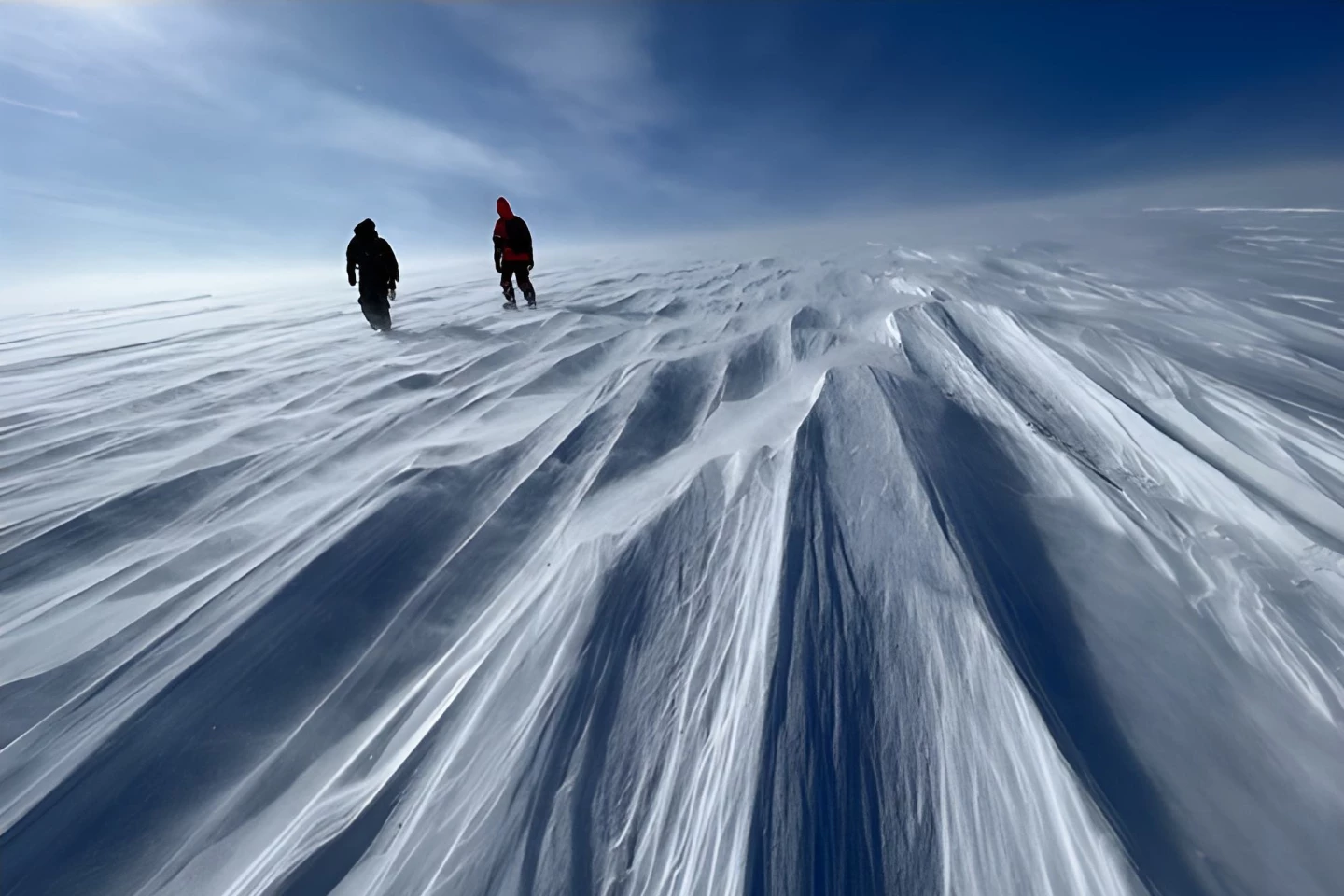
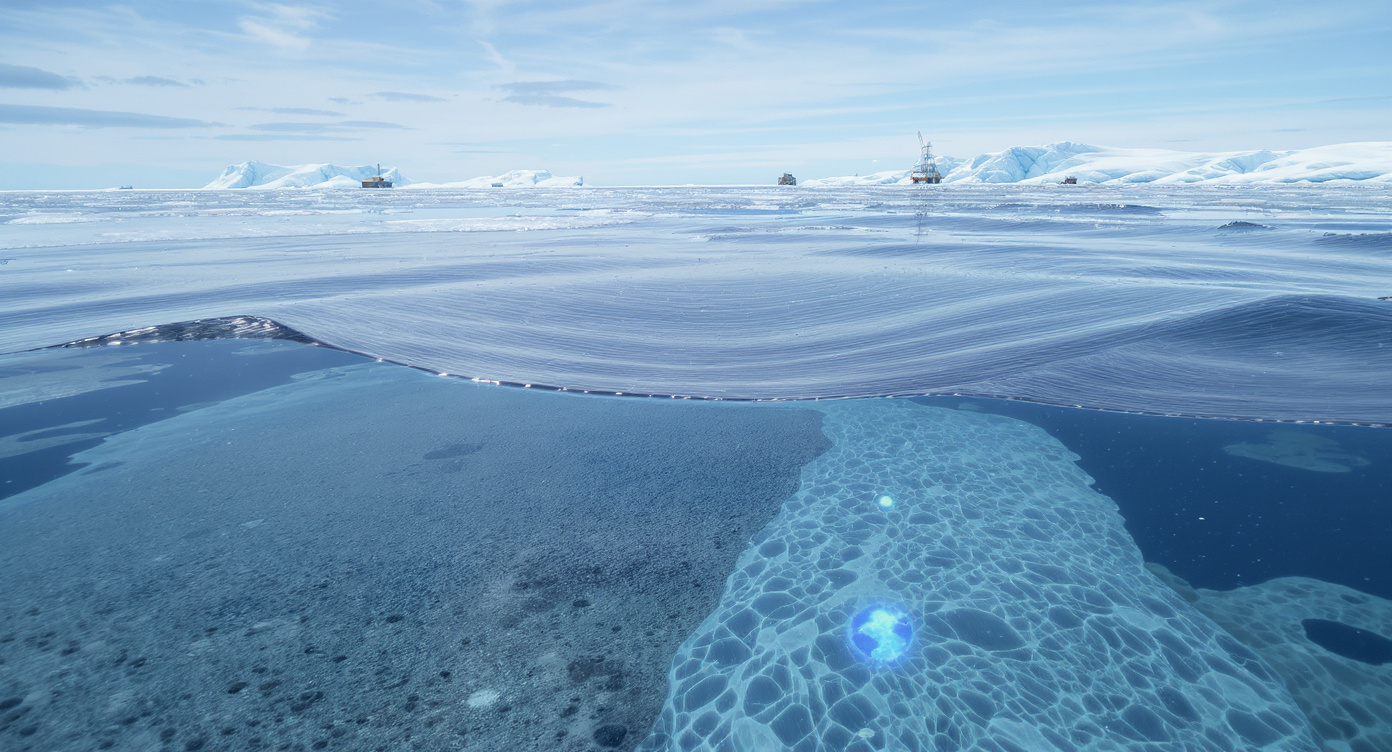
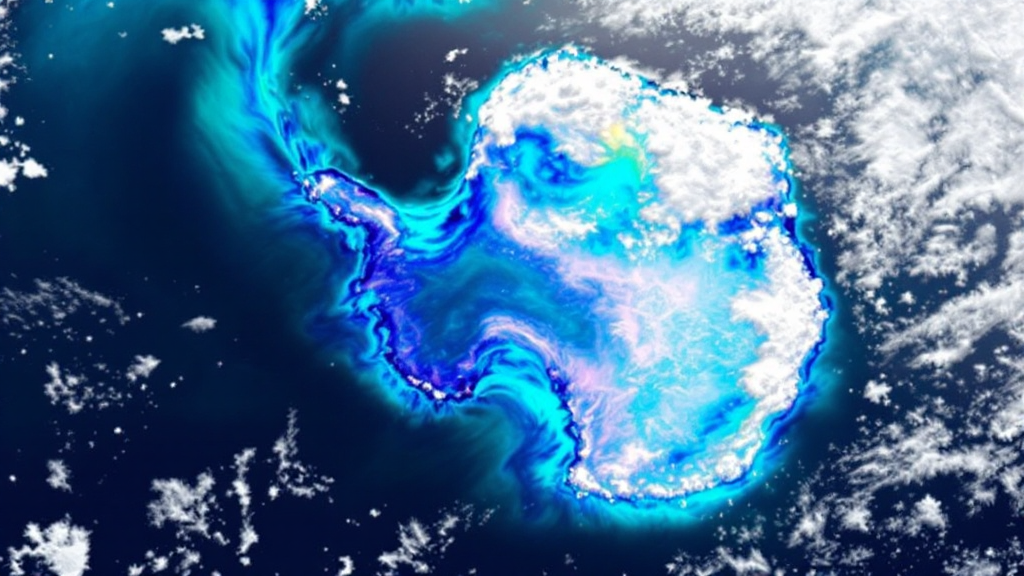
Between 2021 and 2023, persistent warming of the tropical ocean led to increased snowfall over East Antarctica, resulting in a temporary gain in the ice sheet's mass. The study emphasizes that such events are short-lived and do not reverse the long-term decline of Antarctic ice.
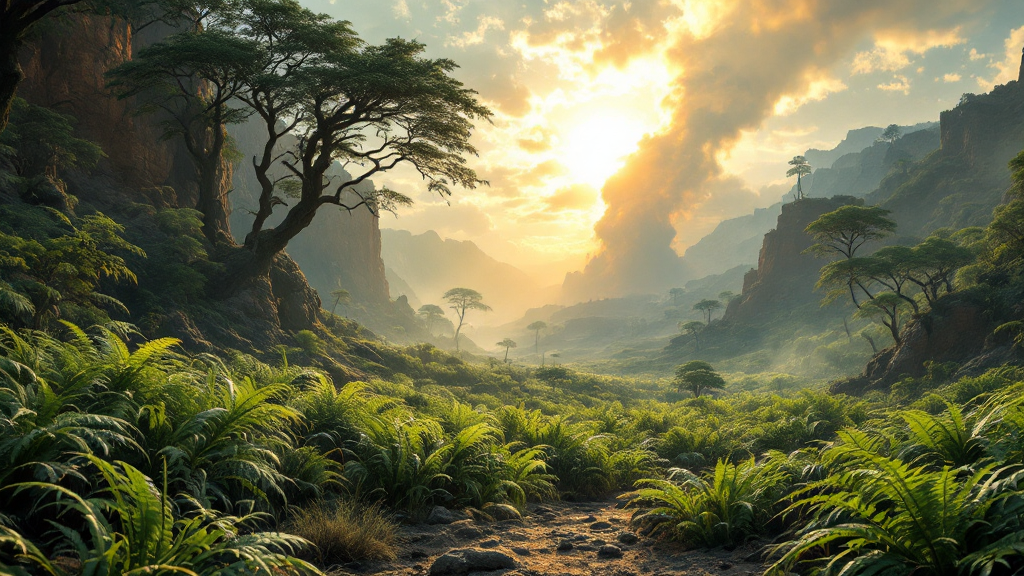
After the mass extinction at the end of the Triassic period, ferns quickly colonized the newly available territories, creating landscapes that contributed to frequent wildfires. Research indicates that this destructive cycle lasted for tens of thousands of years and significantly altered the planet’s ecosystems.
A new study has shown that warming in the United States is uneven: different regions are experiencing changes in extreme temperatures, not just in average values. This calls for tailored approaches to adaptation and climate policy.
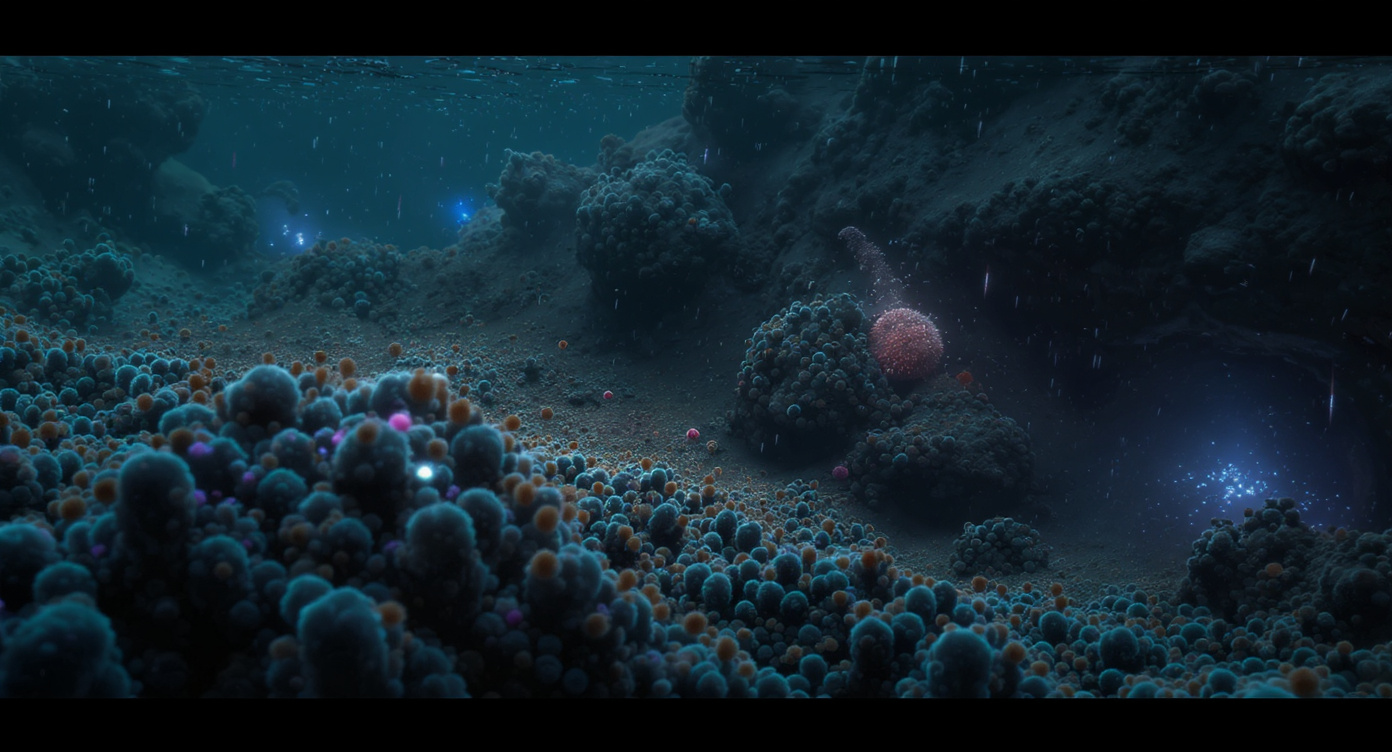
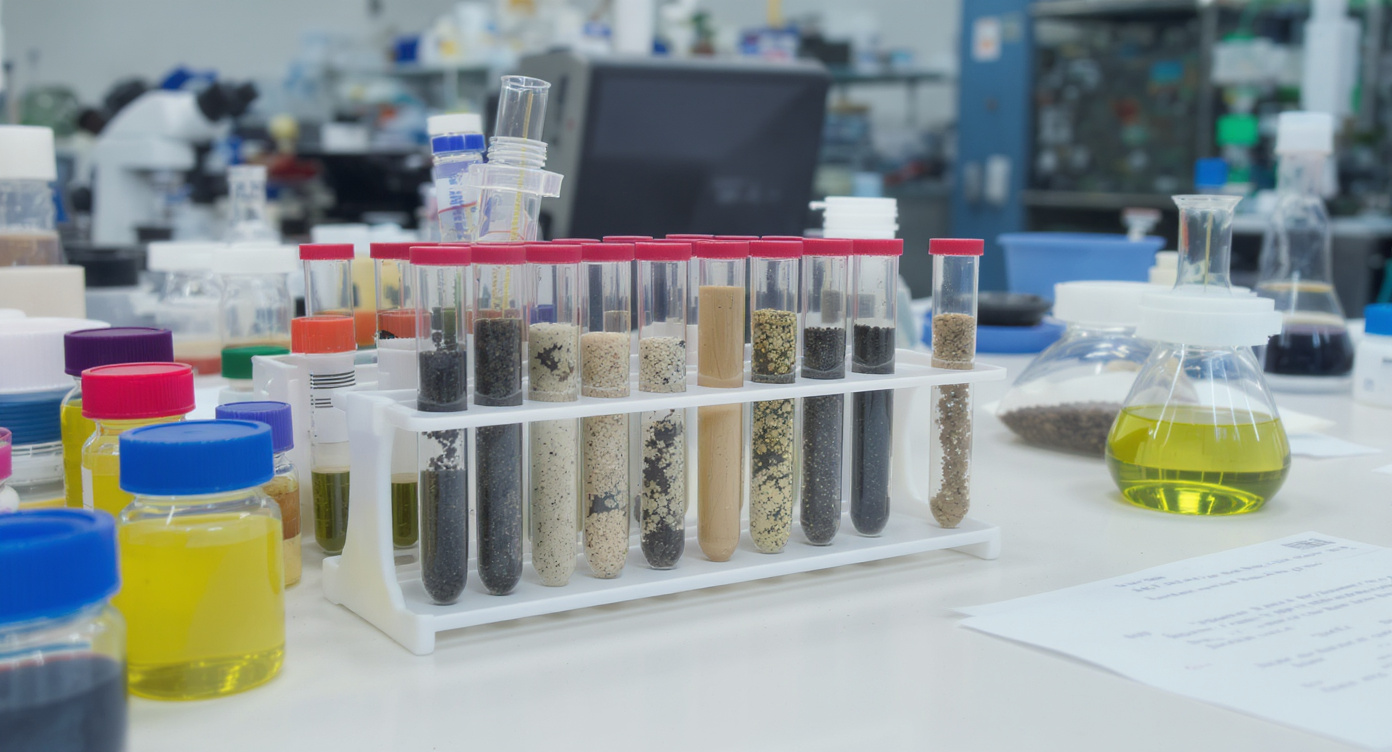
Studies show that Nitrosopumilus maritimus microbes are able to adapt to ocean warming and iron deficiency, while maintaining their crucial role in the nitrogen cycle. This adaptability may influence the biochemistry and resilience of marine ecosystems in the face of climate change.
In 2025, the world’s oceans reached record levels of heat accumulation, intensifying extreme weather events and impacting the global climate system. The study highlights the urgent need to reduce emissions and take collective action to preserve a stable and favorable climate.
Scientists have discovered that the ice dome in northwestern Greenland completely disappeared about 7,000 years ago due to warming. The study warns that a similar scenario could happen again in the future.
Scientists have reconstructed the history of Arctic sea ice over the past 30,000 years by analyzing cosmic dust found in marine sediments. This data helps to understand how the reduction of sea ice affects the region's ecosystems and food chains.
A new study has shown that an increase in temperature alone does not raise CO₂ emissions from nutrient-poor soils—available forms of carbon and nutrients are also necessary for this to occur. This finding refines our understanding of the carbon balance in nature.

 Cursus