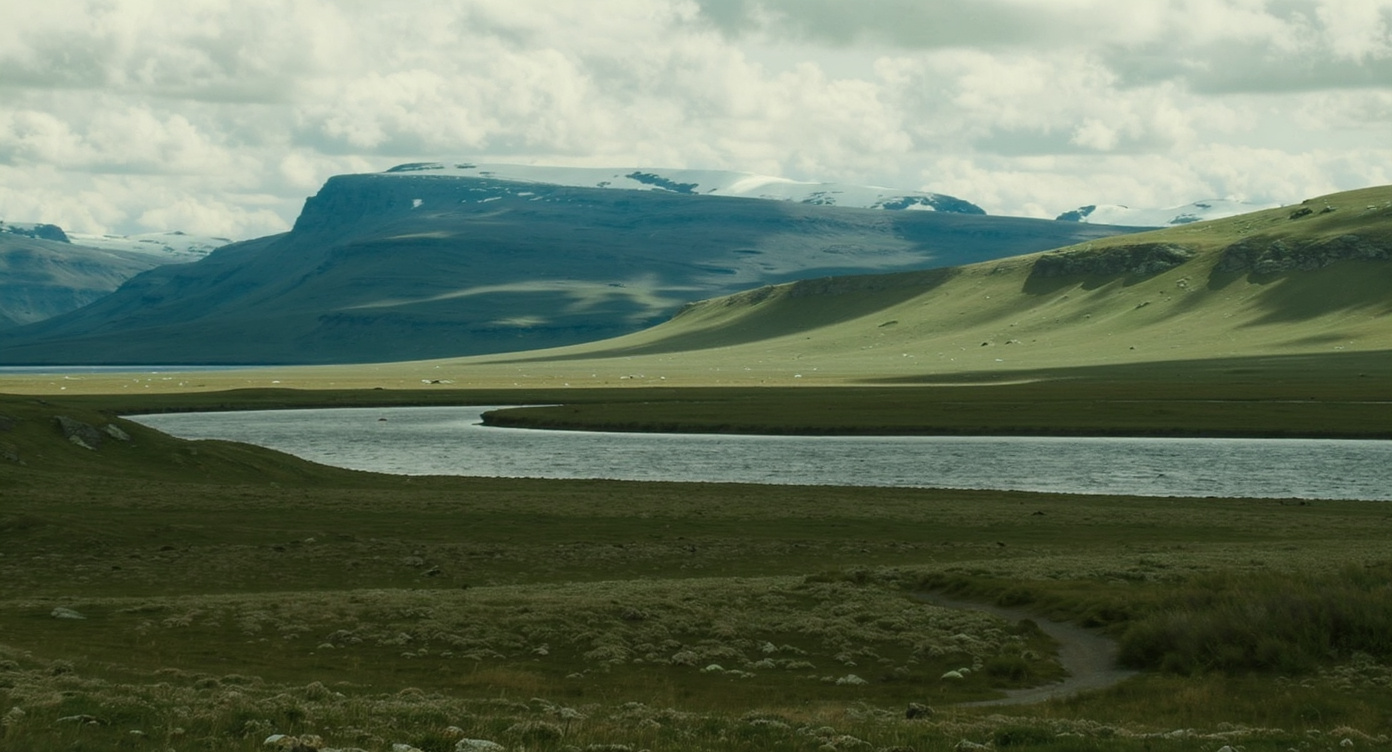
Between 2021 and 2023, persistent warming of the tropical ocean led to increased snowfall over East Antarctica, resulting in a temporary gain in the ice sheet's mass. The study emphasizes that such events are short-lived and do not reverse the long-term decline of Antarctic ice.
Over the next 30 to 50 years, forecasts for ice loss in Antarctica remain fairly reliable, which is important for planning adaptation measures to rising sea levels. However, by the end of the century, uncertainty increases, highlighting the need to improve models and strengthen international cooperation.
A new study has revealed that the Prudhoe Dome ice cap in Greenland completely melted about 7,000 years ago due to a slight warming. This data helps scientists make more accurate predictions about the risks of ice melt and future sea level rise.
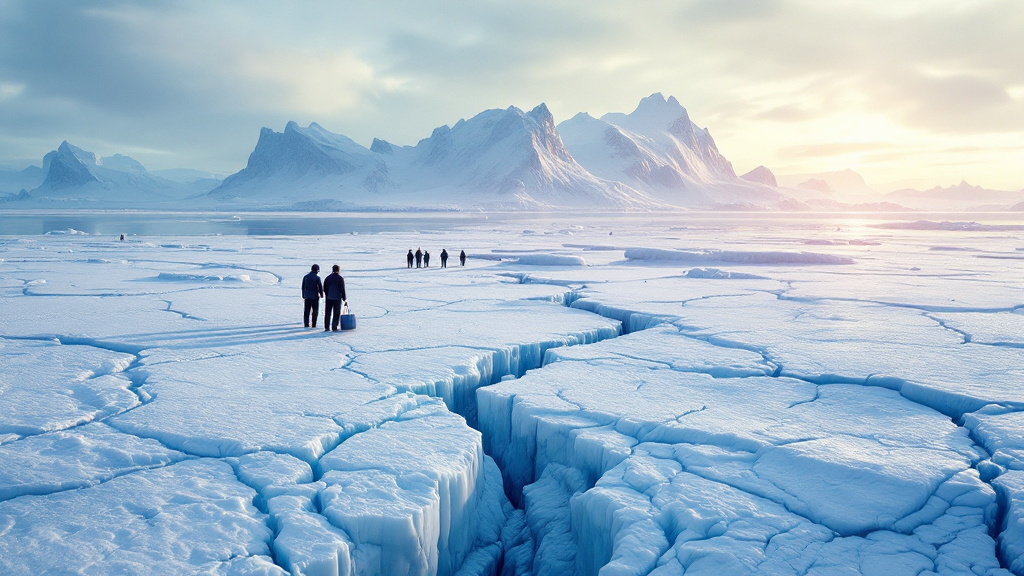
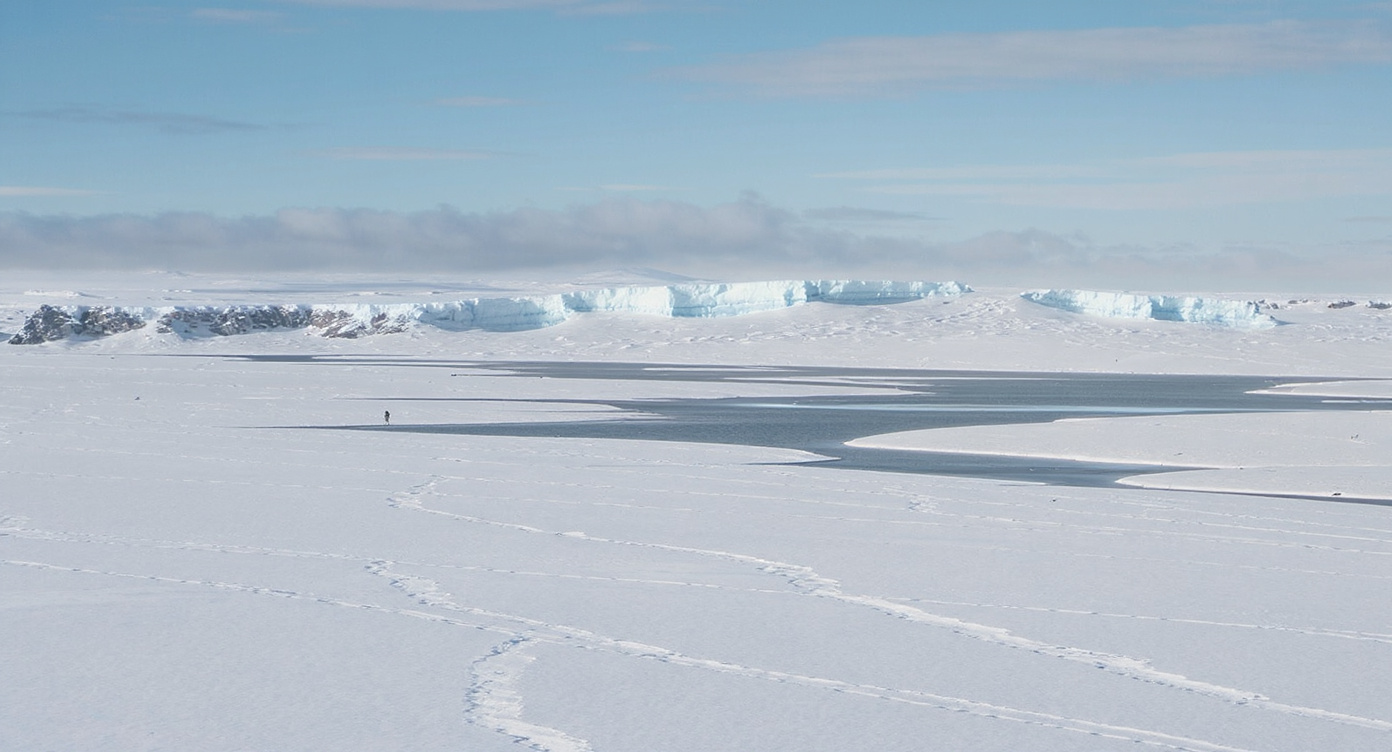
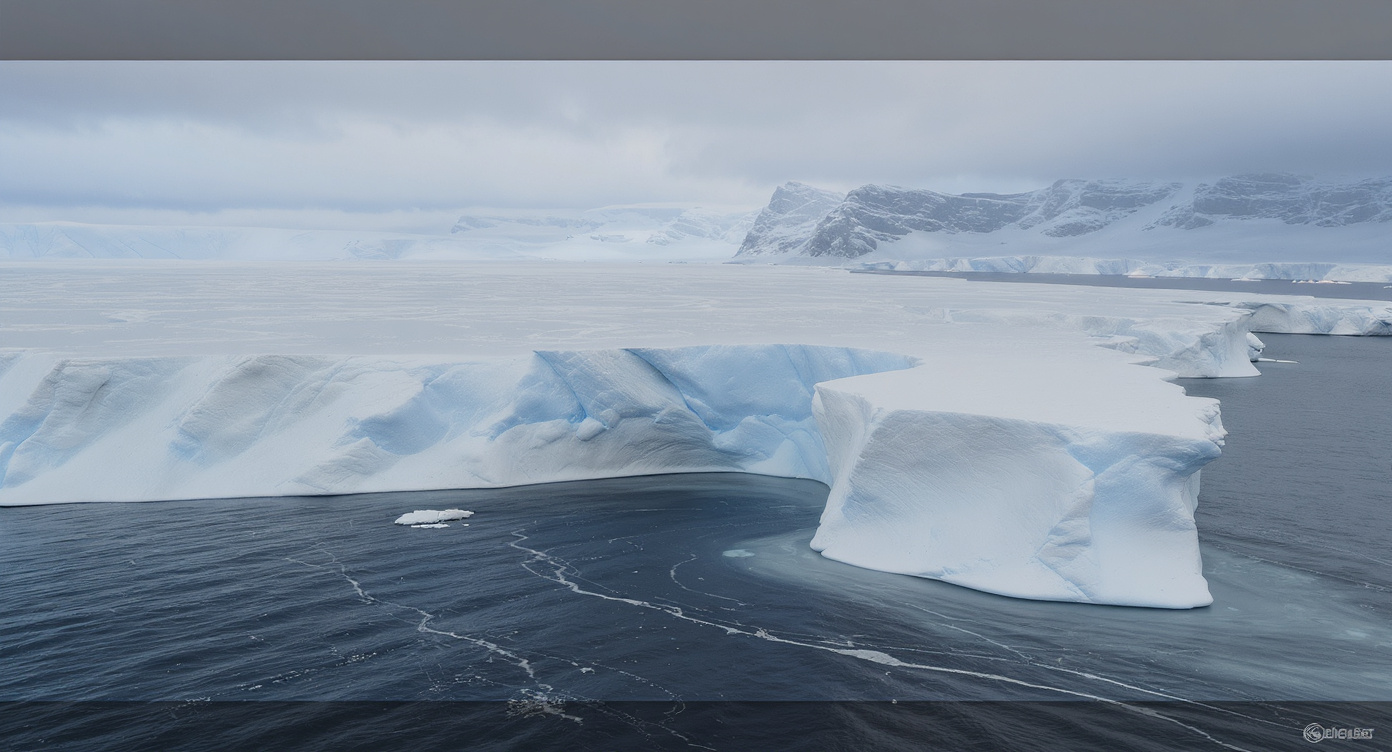
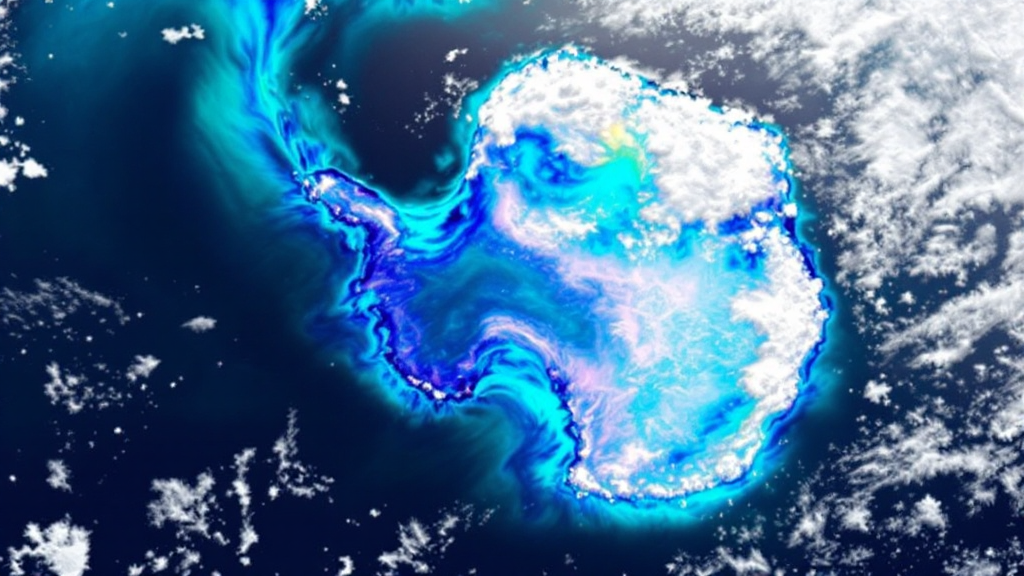
In recent decades, certain sections of the Antarctic ice sheet have retreated by more than 40 kilometers due to the warming of ocean waters. These changes could accelerate ice loss and impact global sea levels.
Scientists have discovered that the ice dome in northwestern Greenland completely disappeared about 7,000 years ago due to warming. The study warns that a similar scenario could happen again in the future.
Researchers have developed detailed 3D models of temperature distributions beneath Greenland, which helps to better understand the region's formation and the ice sheet's response to climate change. This data improves predictions of ice loss and rising sea levels.

 Cursus