A new study has shown that the Atlantic Meridional Circulation has been weakening for nearly two decades, which could significantly impact the climate, precipitation, and sea levels in adjacent regions. Long-term observations are helping scientists better predict potential climate changes in the future.
Over the next 30 to 50 years, forecasts for ice loss in Antarctica remain fairly reliable, which is important for planning adaptation measures to rising sea levels. However, by the end of the century, uncertainty increases, highlighting the need to improve models and strengthen international cooperation.
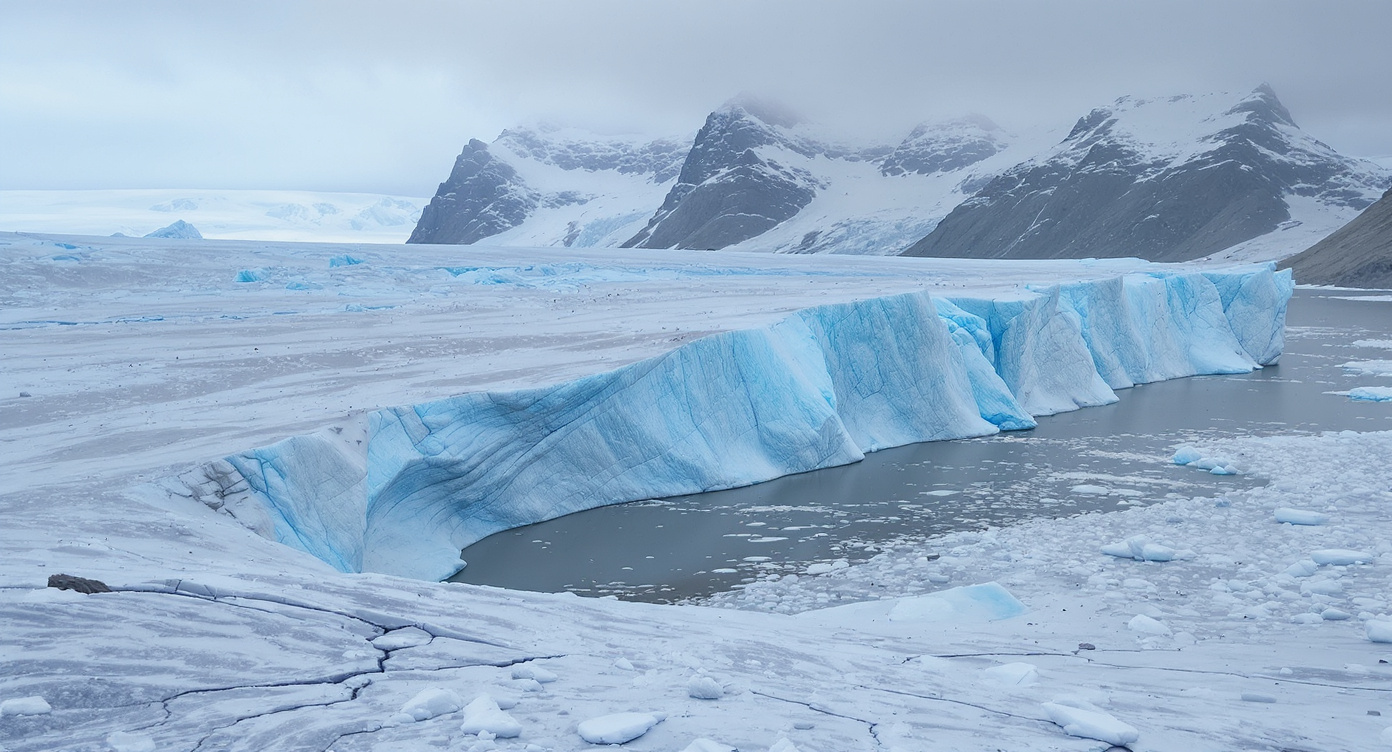
Satellite observations have recorded a record-fast retreat of the Hector Glacier in Antarctica: over just 15 months, it lost about 25 kilometers in length. The study highlights the importance of monitoring such processes to assess future sea level changes.
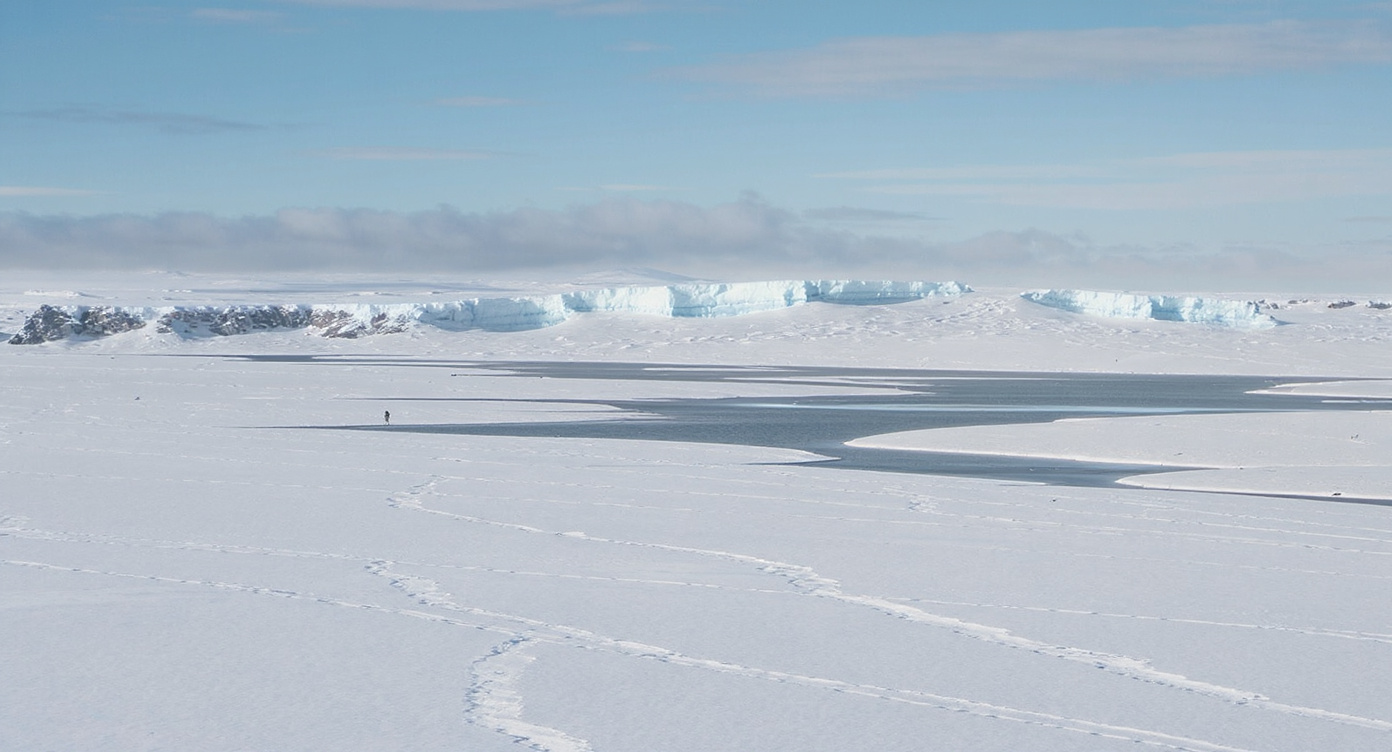
A new study has revealed that the Prudhoe Dome ice cap in Greenland completely melted about 7,000 years ago due to a slight warming. This data helps scientists make more accurate predictions about the risks of ice melt and future sea level rise.
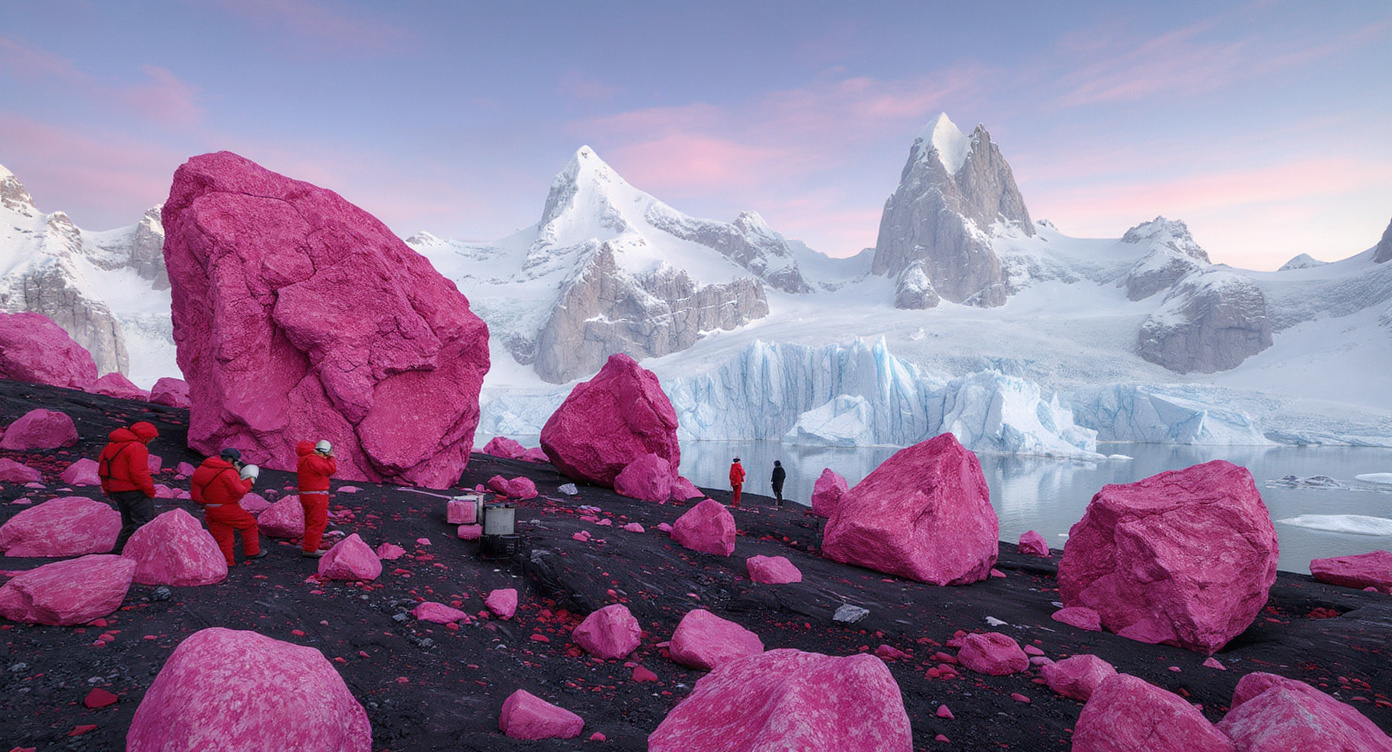
Unusual granite boulders discovered atop mountains in West Antarctica have helped scientists uncover the structure of rocks hidden beneath the ice and trace the movement history of the Pine Island Glacier. This information improves predictions about changes to the ice sheet and sea level in the context of future climate change.
Scientists have discovered that the ice dome in northwestern Greenland completely disappeared about 7,000 years ago due to warming. The study warns that a similar scenario could happen again in the future.
Researchers have developed detailed 3D models of temperature distributions beneath Greenland, which helps to better understand the region's formation and the ice sheet's response to climate change. This data improves predictions of ice loss and rising sea levels.
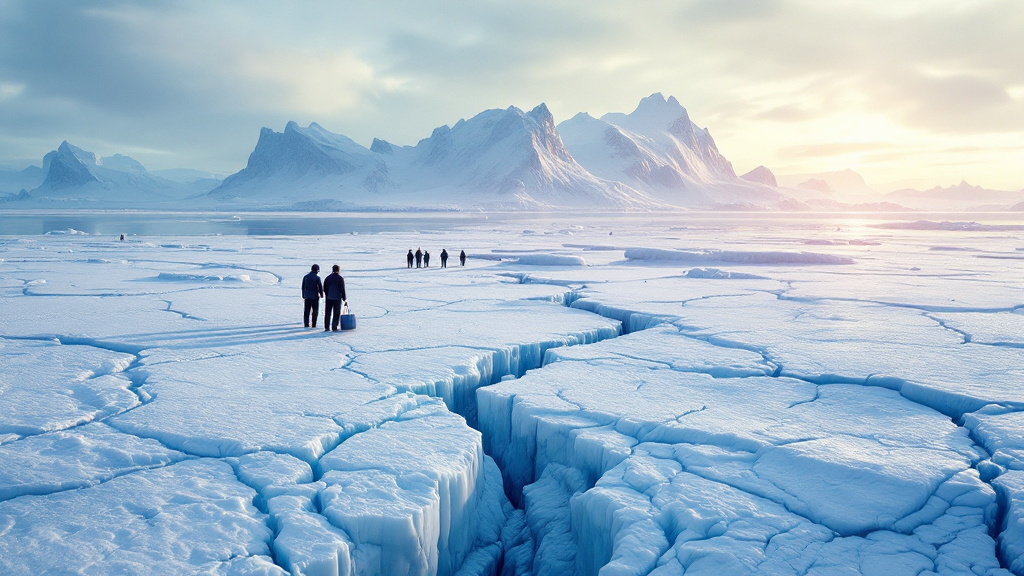
A new study has shown that cracks in the Thwaites Ice Shelf are accelerating its disintegration, undermining the stability of the entire system. This could increase Antarctica’s contribution to global sea level rise.

 Natura