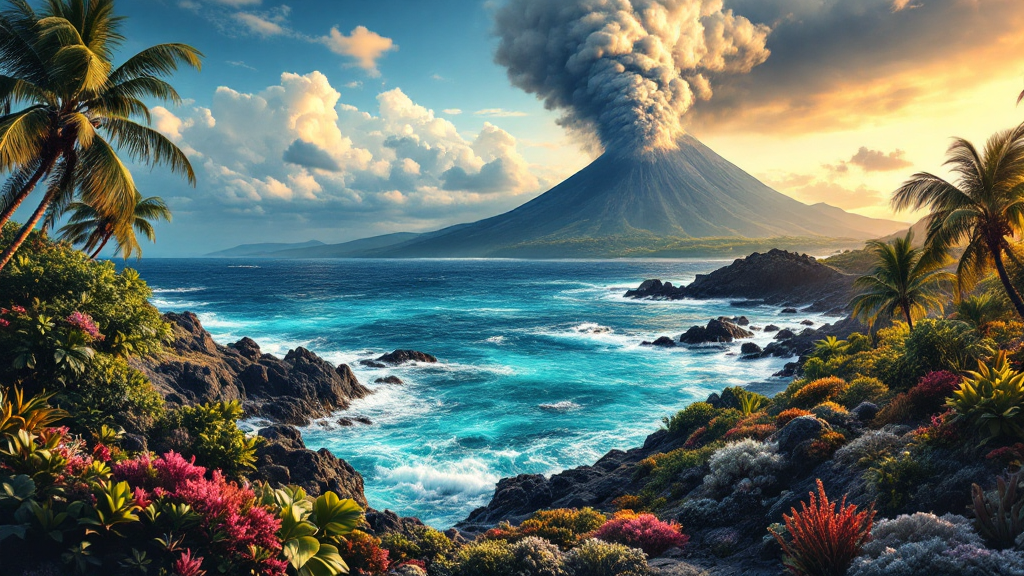
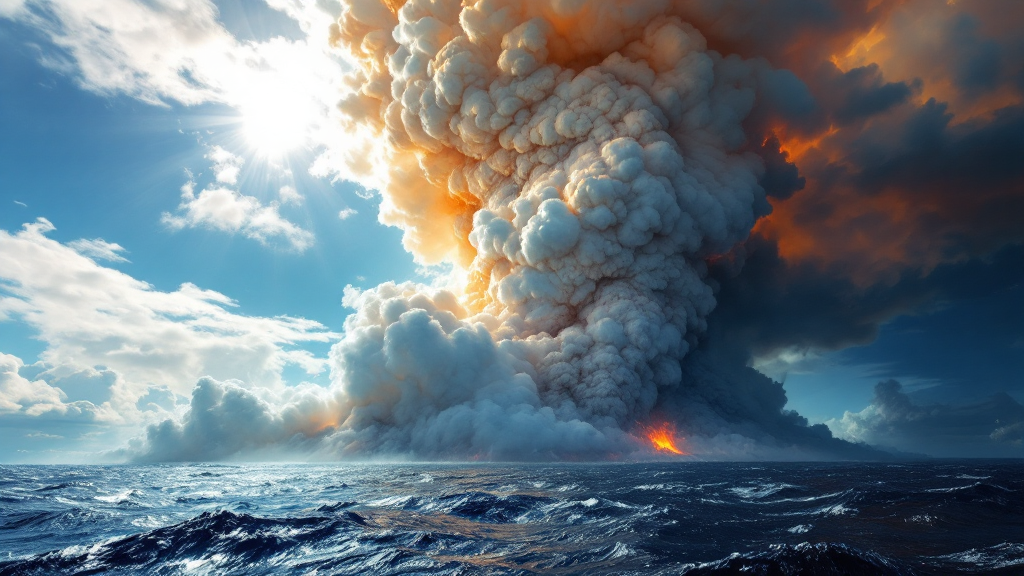
The eruption of the Hunga Tonga-Hunga Ha'apai volcano in 2022 allowed scientists to observe, for the first time, the accelerated breakdown of methane in the atmosphere caused by the interaction of volcanic ash, seawater, and sunlight. This discovery could contribute to the development of new methods for reducing methane levels and slowing global warming, though further research is needed to assess potential consequences.
A new study has shown that recent climate changes caused by human activity are weakening the climatic connection between the Indian and Pacific Oceans. This could affect the accuracy of climate forecasts and alter weather patterns in the tropics.
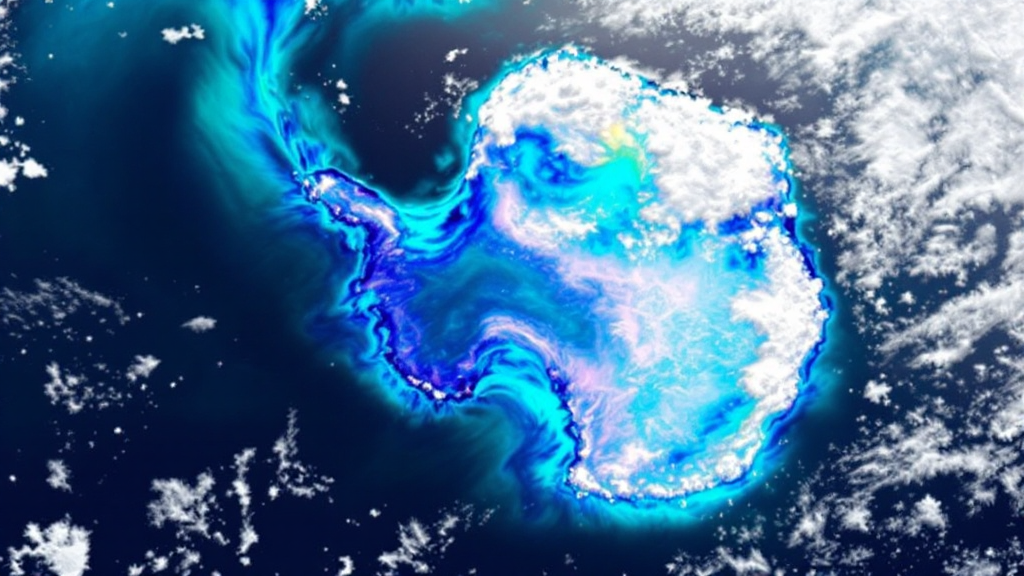
Between 2021 and 2023, persistent warming of the tropical ocean led to increased snowfall over East Antarctica, resulting in a temporary gain in the ice sheet's mass. The study emphasizes that such events are short-lived and do not reverse the long-term decline of Antarctic ice.
A new study has found that despite global warming, the rate of change in ecosystems is slowing down, which is linked to the loss of biodiversity and environmental degradation. This may indicate a weakening of nature’s ability to recover.
Scientists have combined several climate models with isotope support to more accurately track the movement of water across the planet and better predict the impact of global warming on the water cycle.
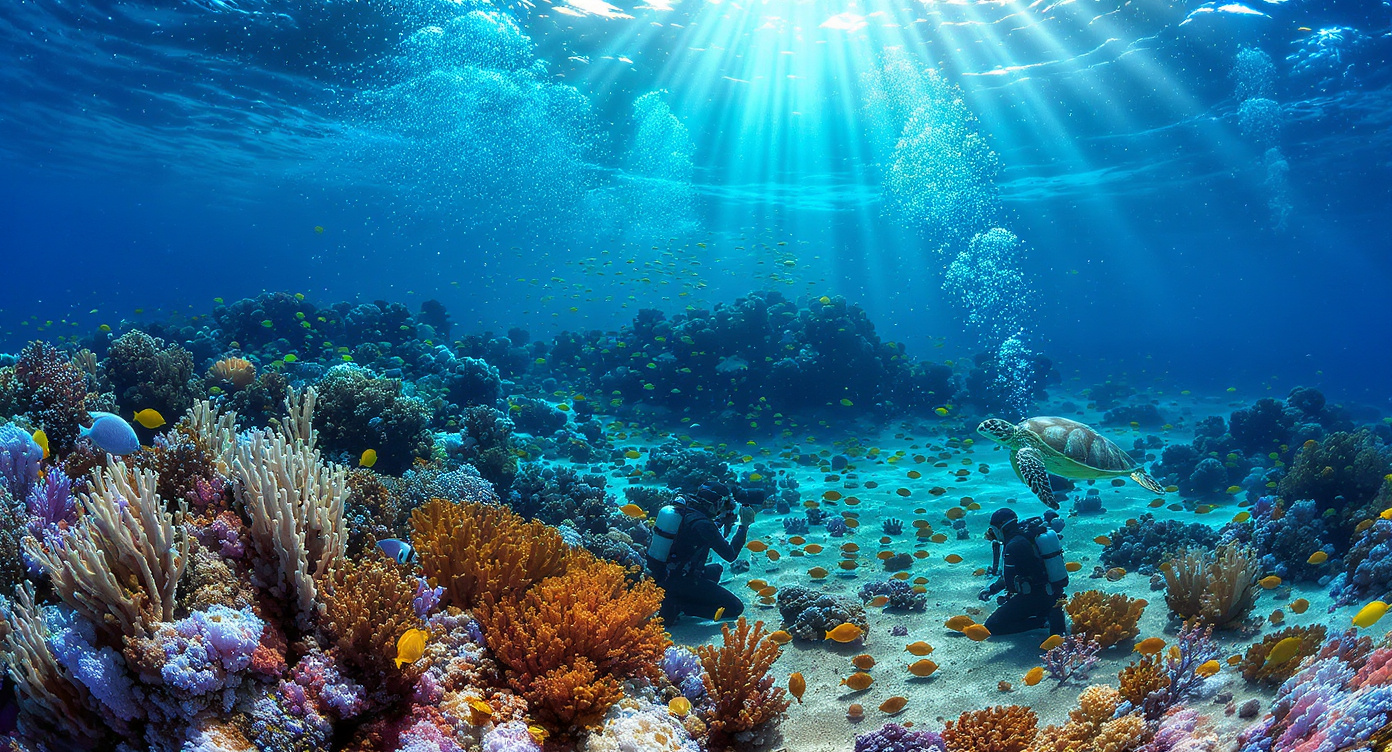
Coral reefs provide immense benefits to humanity, but due to ocean warming, more than half of the world's reefs have suffered mass bleaching and die-offs. A new study offers the first precise assessment of the scale of this threat and highlights the importance of global monitoring to ensure their preservation.
A new study reveals that oxygen levels in the oceans depend not only on temperature but also on regional factors such as monsoons and ocean currents. Research into ancient seas helps scientists understand how oceans can restore oxygen even as warming continues, though the consequences for marine life remain unclear.
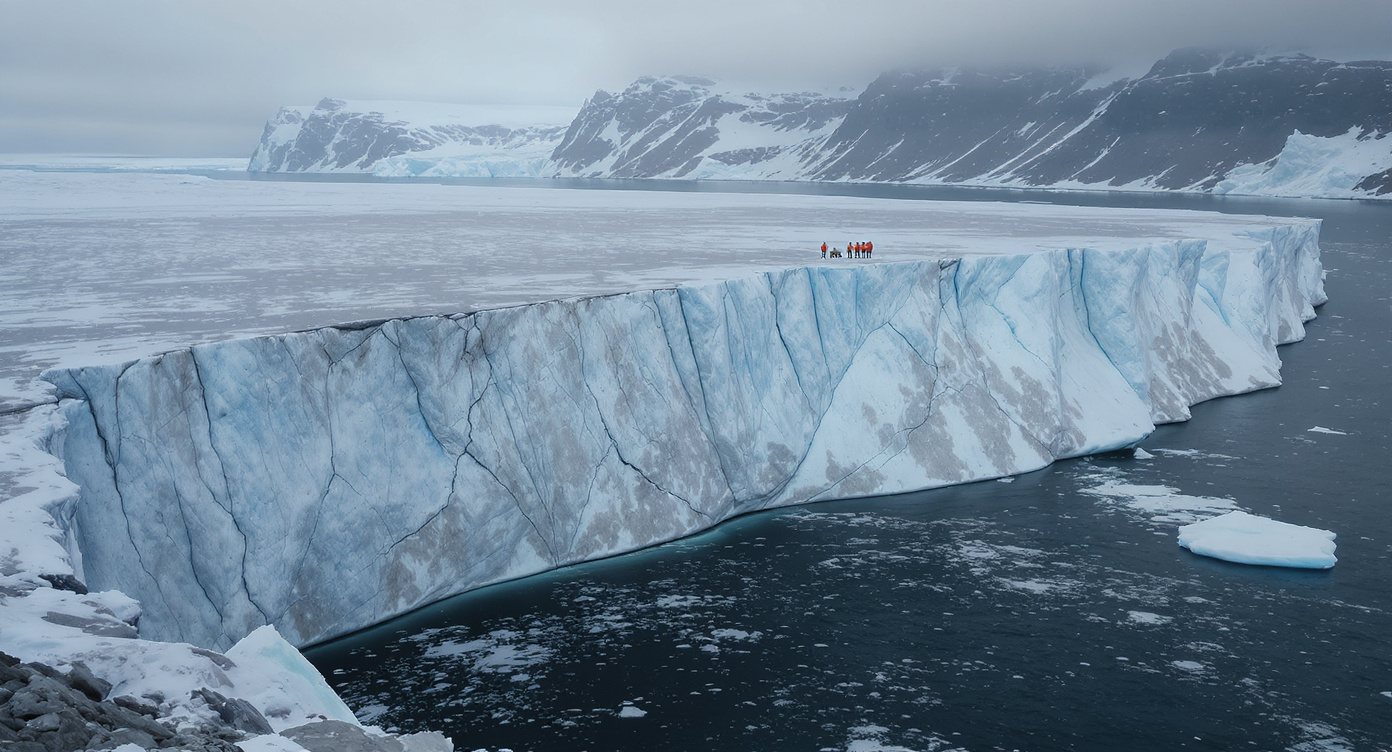
A new study has shown that cracks in the Thwaites Ice Shelf are accelerating its disintegration, undermining the stability of the entire system. This could increase Antarctica’s contribution to global sea level rise.

 Natura