Scientists have discovered that iron-rich rocks in Western Australia are capable of generating natural hydrogen, opening up new opportunities for the development and export of low-emission energy. The efficiency of this process depends not only on the presence of magnetite but also on the structure of the rock, which ensures water can access mineral surfaces.
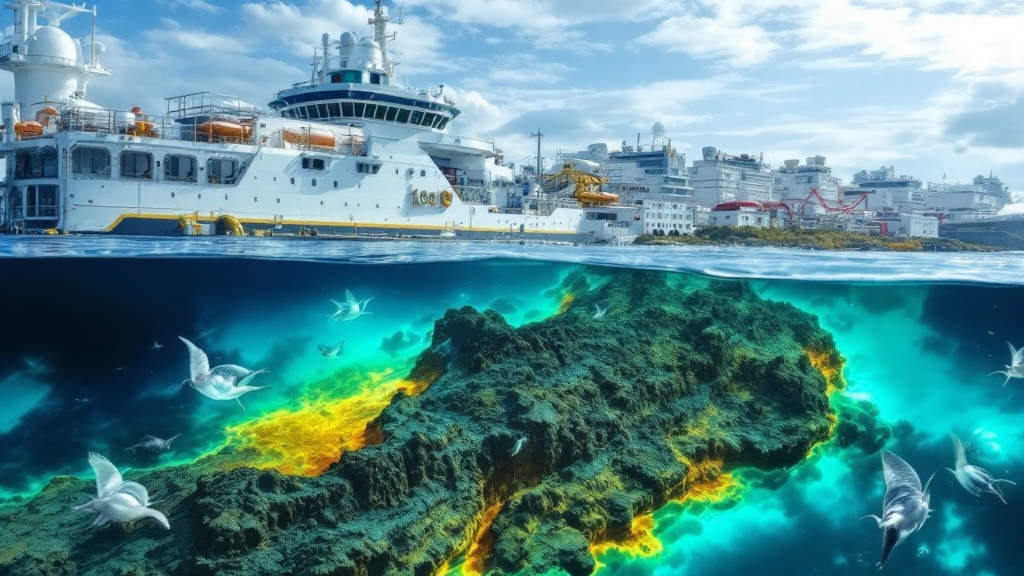
TGS has launched a large-scale update of seismic data on the Newfoundland and Labrador shelf, utilizing advanced technologies to enhance the quality of geological research in the region. Preliminary results are expected in 2027.
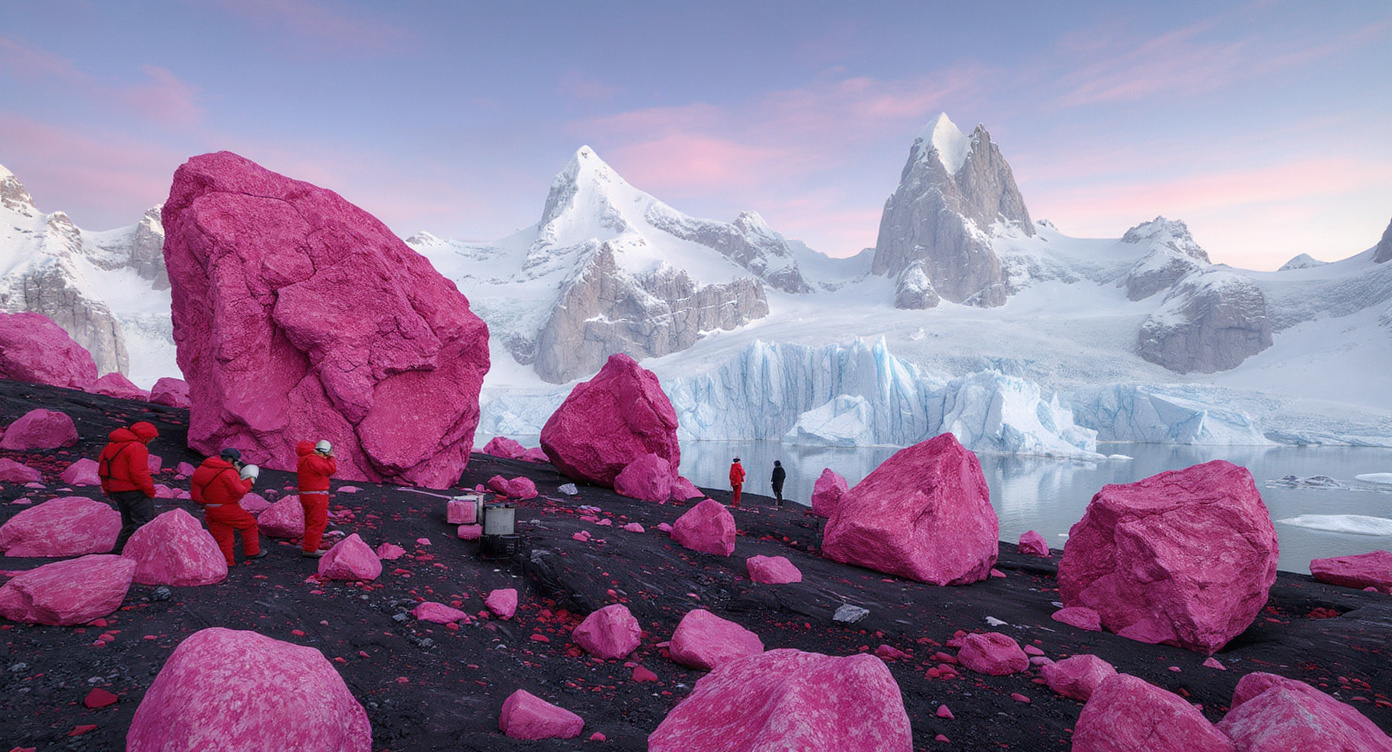
Unusual granite boulders discovered atop mountains in West Antarctica have helped scientists uncover the structure of rocks hidden beneath the ice and trace the movement history of the Pine Island Glacier. This information improves predictions about changes to the ice sheet and sea level in the context of future climate change.
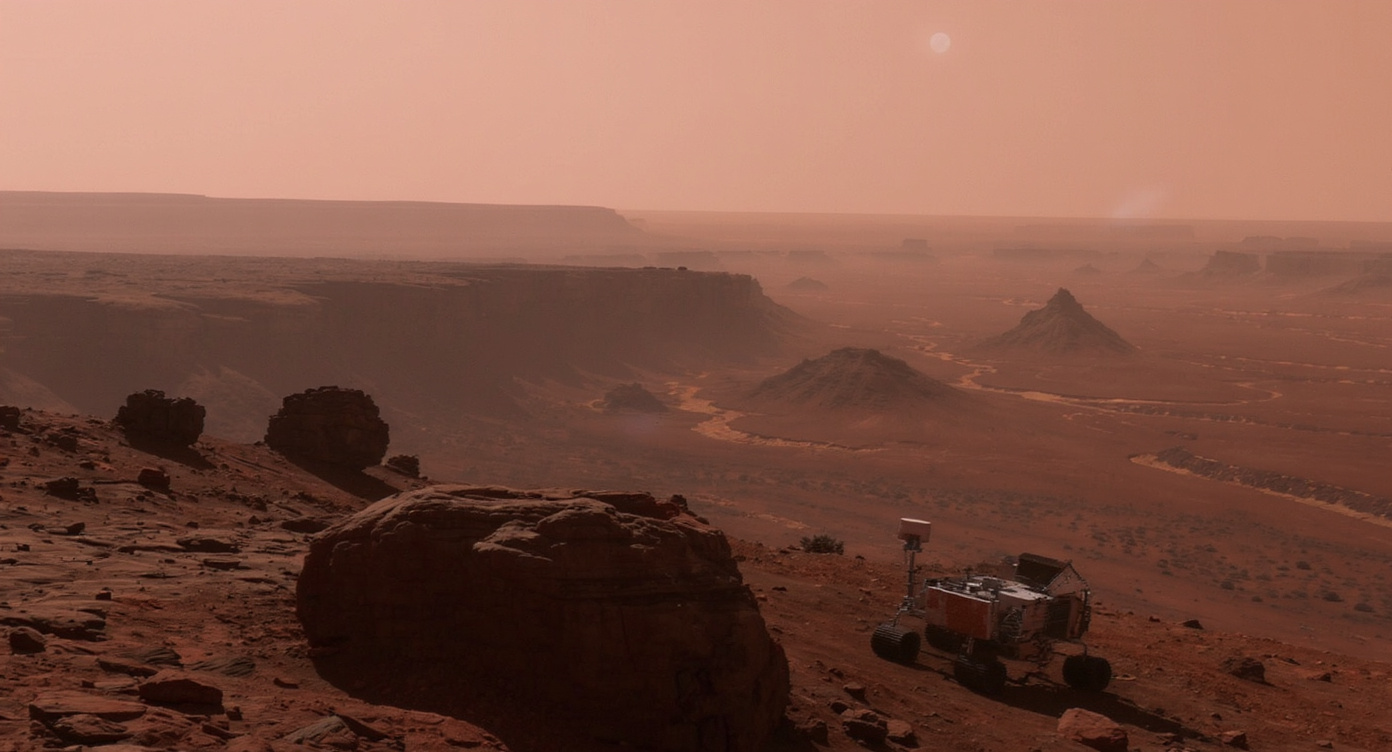
The Mars Express orbiter has captured images of the Arabia Terra region on Mars, revealing ancient craters and evidence of past water activity. These findings help deepen our understanding of the planet's geological and climatic history.
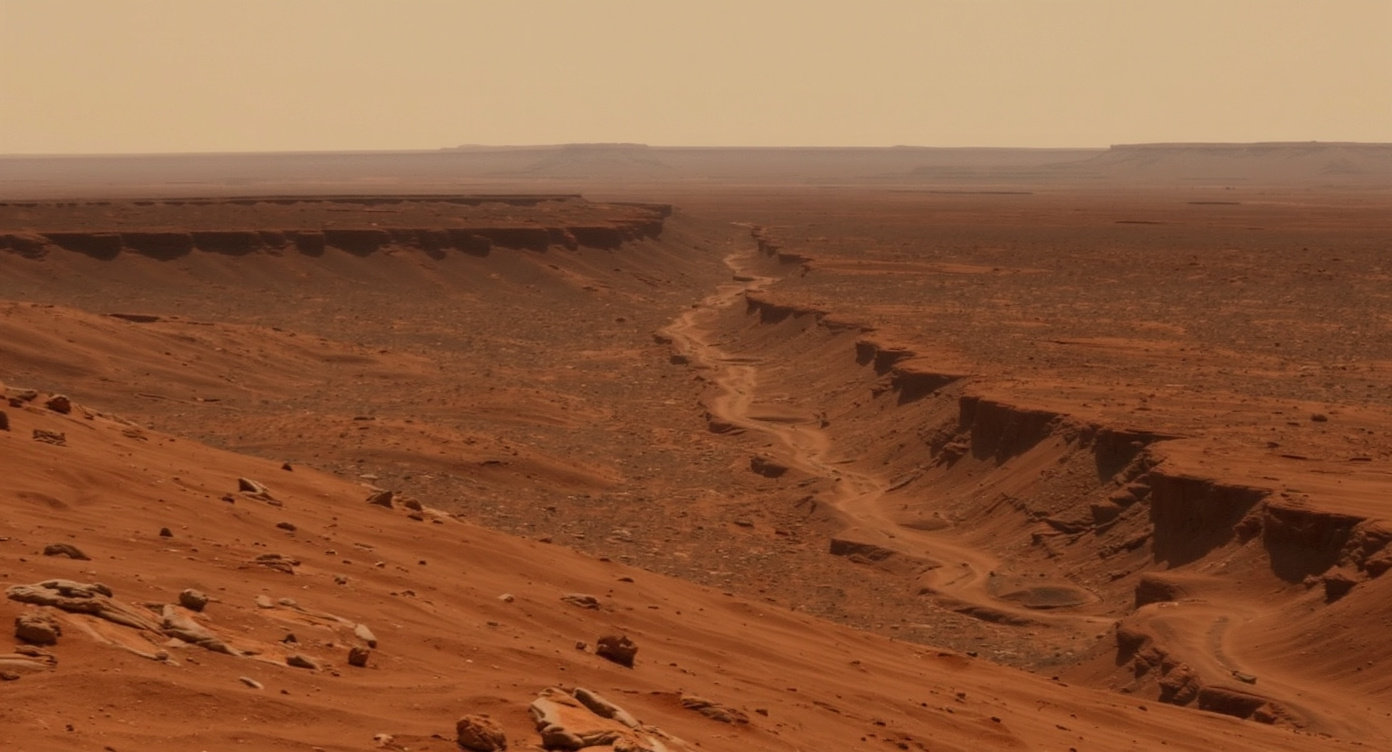
Gullies have been discovered on Mars that resemble those found on Earth, but scientists are skeptical that they were formed by water. A new study suggests that these features may have been created by landslides of dry sand and dust.

 Vigor
Vigor