Sunda Energy is in negotiations with the authorities of Timor-Leste regarding the Chuditch project and is continuing the acquisition of Matahio Energy's assets in New Zealand, with plans for further production expansion.
Sri Lanka has announced a new licensing round for international companies, offering four offshore blocks in the Mannar Basin for hydrocarbon exploration. This initiative aims to develop the country's own oil and gas industry and attract investment to this largely unexplored region.
The Chinese company CNOOC Limited plans to begin drilling its first exploratory well on the Brazilian continental shelf in the Santos Basin in 2029. The project focuses on little-studied deepwater areas, where major international oil companies are also operating.
Over the next five years, investments in 22 offshore oil and gas projects in Nigeria could reach $50 billion. This is expected to boost production, create jobs, and strengthen the country's energy security.
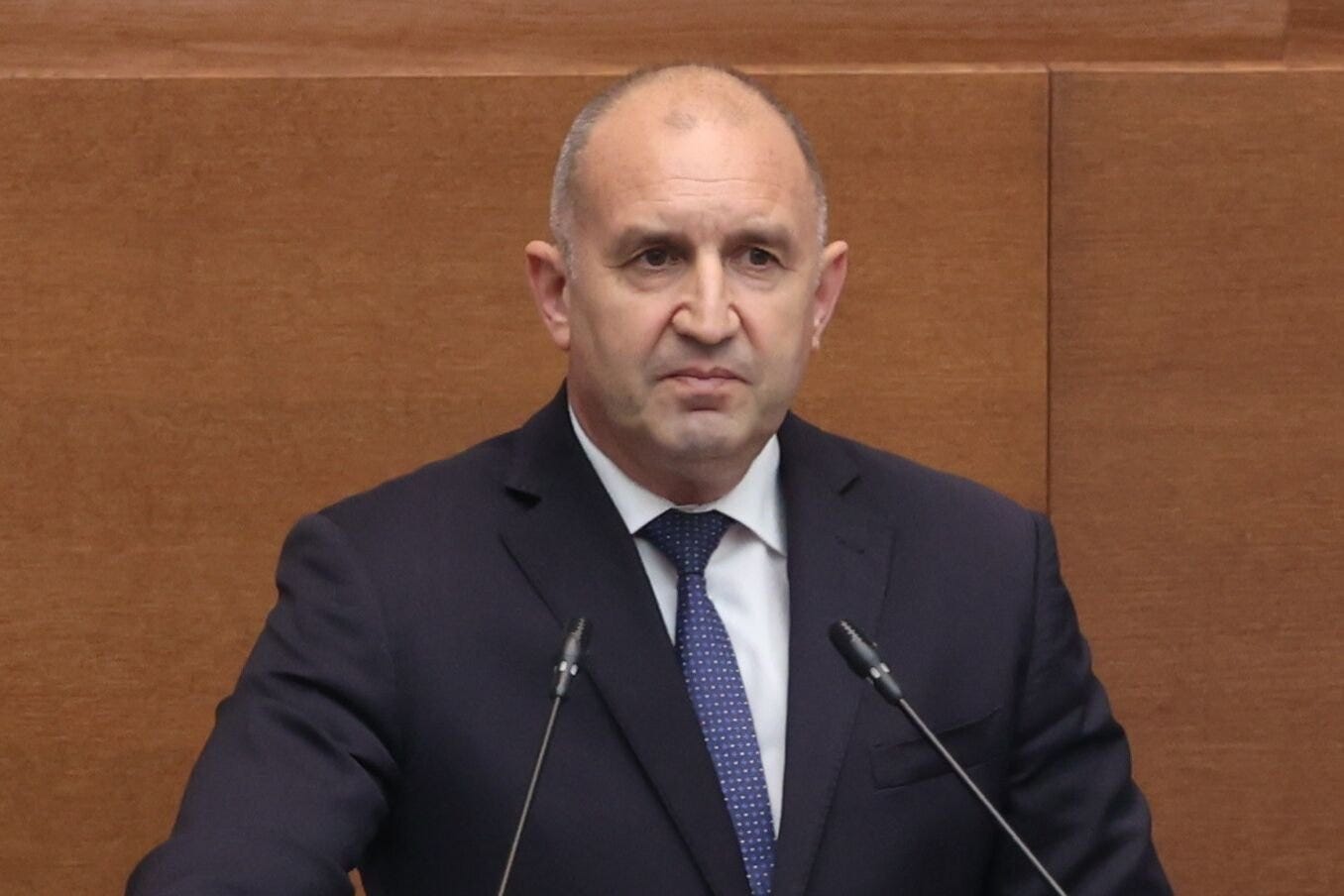
Turkish Petroleum has joined a joint gas exploration project in the Bulgarian sector of the Black Sea, acquiring a 33% stake alongside Shell and OMV Petrom. In 2024, seismic data collection is planned, with possible drilling to follow the next year.
Major personnel changes have taken place at leading energy companies: new appointments have been made at ExxonMobil, MNK International, and Helix Exploration, as well as the conclusion of the political career of a minister from Australia.
Norwegian company Vaar Energi plans to drill seven exploration wells in the second half of 2026 to increase oil and gas reserves at key fields. The main targets—Lakris, Jotun Deep, Anabelle, and others—have significant potential and could be connected to the company’s existing infrastructure.
Shell has completed drilling the deepest well in the Mediterranean Sea off the coast of Egypt and has discovered signs of oil. The collected data is now being analyzed to assess the commercial potential of the field.
TGS has launched a large-scale update of seismic data on the Newfoundland and Labrador shelf, utilizing advanced technologies to enhance the quality of geological research in the region. Preliminary results are expected in 2027.
Nigeria is currently holding a partially completed oil exploration licensing round, where nine companies—mostly local—have emerged as the main contenders for licenses. Competition for key blocks remains intense, and the application review process is still ongoing.
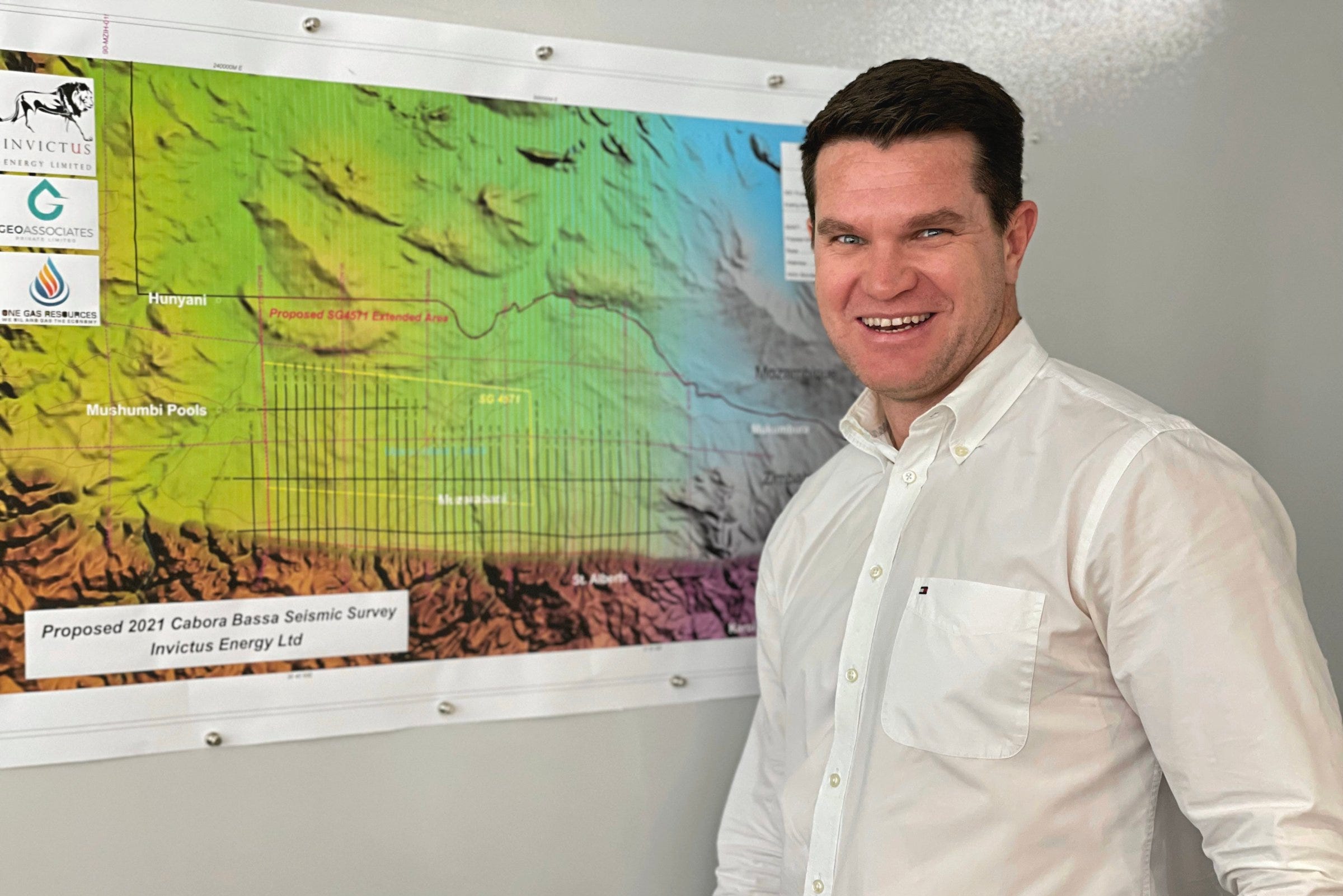
Australian company Invictus Energy has signed key contracts to explore a major gas field in Zimbabwe, with reserves estimated at 1.2 trillion cubic feet of gas. Drilling of the Musuma-1X well is scheduled to begin in the second half of the year.
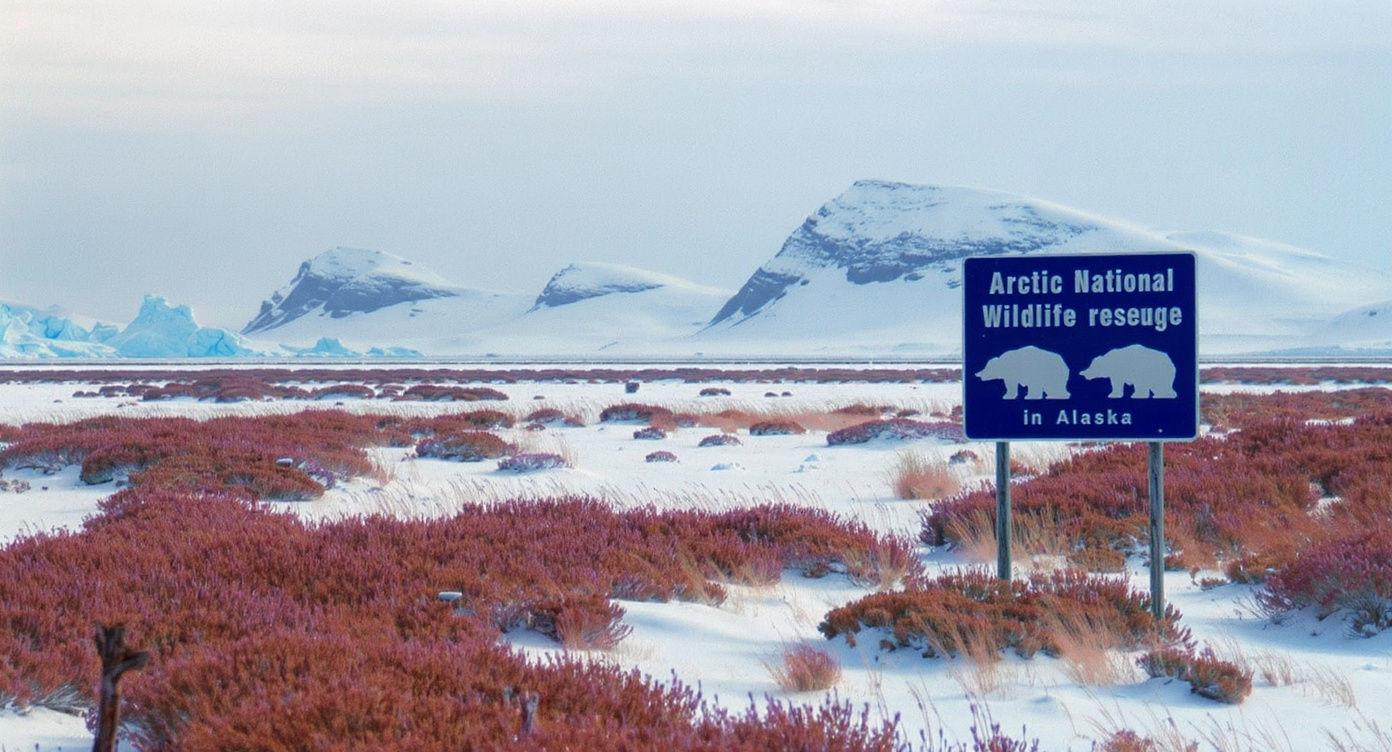
An online auction for oil and gas exploration licenses was held in the Arctic National Wildlife Refuge in Alaska, but it attracted only limited interest from participants. Out of 58 available tracts, bids were submitted for just five, with the total amount of bids reaching $6.3 million.
Petrobras continues drilling one of the deepest exploratory wells, Morpho, in the environmentally sensitive Foz do Amazonas basin, overcoming technical challenges and planning further projects in the region.
The seismic research sector is showing signs of recovery, driven by growing interest from oil and gas companies in exploration and resource replenishment. This positive trend is reflected in TGS shares, which have risen by nearly 24%.
Namibia's state oil company has identified two promising drilling prospects, with combined reserves that could reach up to 4.5 billion barrels of oil. The company is currently seeking investors to further explore these sites.

 Petrus