Scientists have discovered that iron-rich rocks in Western Australia are capable of generating natural hydrogen, opening up new opportunities for the development and export of low-emission energy. The efficiency of this process depends not only on the presence of magnetite but also on the structure of the rock, which ensures water can access mineral surfaces.
In 2024, oil and condensate production in Kazakhstan is expected to decrease by nearly 4% due to drone attacks on export infrastructure and the early shutdown of production at the Tengiz field. Authorities do not anticipate a return to the record output levels of previous years until 2026.
The article examines the logistical and strategic challenges of creating new oil and gas export routes that bypass the Strait of Hormuz, as well as their impact on energy markets and supply stability. It analyzes the prospects of major infrastructure projects, alternative export pathways, and the associated risks for India and the countries of the Persian Gulf.
Kazakhstan has announced a new auction for the exploration of more than 20 major oil and gas fields, despite low interest in previous tenders. Applications are open until October 5, and the online auction will take place on November 18.
Iraq and Turkey have signed a one-year agreement for the transportation of Iraqi oil through the Kirkuk-Ceyhan pipeline amid unstable supplies via the Strait of Hormuz. The document provides for the export of up to 750,000 barrels per day and paves the way for broader cooperation in energy and other sectors.
Freight rates for road carriers are once again soaring amid a surge in Chinese electric vehicle exports. The strong demand for transportation is driving new vessel orders and attracting fresh players to the market.
Container shipping rates within Asia continue to decline amid weakening Chinese exports and a slowdown in peak season activity. Shipping companies are expanding their routes, but the market is showing signs of slowing down.
The Italian company Eni is beginning development of the deepwater Cronos field off the coast of Cyprus, which will allow Cypriot gas to enter the market for the first time by 2028. This project will strengthen Cyprus's position as a gas exporter and support Europe's energy security.
Australian company Santos and Prism Energy have completed their first export shipment of condensate from the Barossa field to South Korea. This move strengthens the project's position in the Asian market and contributes to the region's economic development.
Oil exports from Kazakhstan's largest fields have resumed after a week-long halt caused by drone attacks on tankers in the Black Sea. Operations at the terminal and pipeline have been restored, and production is gradually returning to previous levels.
The American company Baker Hughes will supply liquefied natural gas (LNG) technologies for the expansion of the CP2 LNG project in Louisiana, which is being developed by Venture Global LNG. Once construction is completed, the facility’s export capacity will exceed 29 million tons per year.
Kazakh oil companies have temporarily reduced production due to the suspension of tanker loading at the Black Sea terminal following drone attacks. This has affected exports, which account for more than 1% of global oil supplies. Consultations are currently underway to restore stable deliveries.
The European Commission has proposed postponing the introduction of fines for non-compliance with methane emission regulations until 2029, aiming to avoid disruptions in gas supplies amid ongoing energy uncertainty. This decision was made in response to concerns from the industry and exporting countries. However, experts believe that further refinement of the regulations will be necessary for effective implementation.
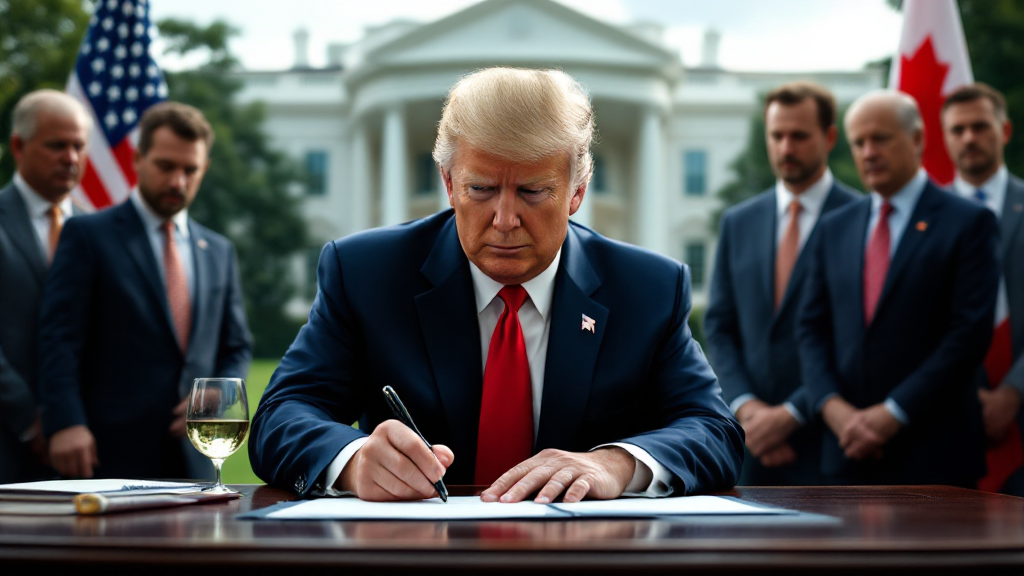
The United States is imposing new 50% tariffs on a range of Canadian goods, raising concerns about an escalation of the trade conflict and increased uncertainty in relations between the two countries. Canada is prepared for negotiations and potential retaliatory measures.
Kazakhstan has initiated enforcement proceedings against the operator of the Kashagan oil field due to the non-payment of a multi-billion dollar environmental fine. The company and its foreign shareholders continue to challenge the recovery of the fine in courts and international arbitration.

 Vigor
Vigor