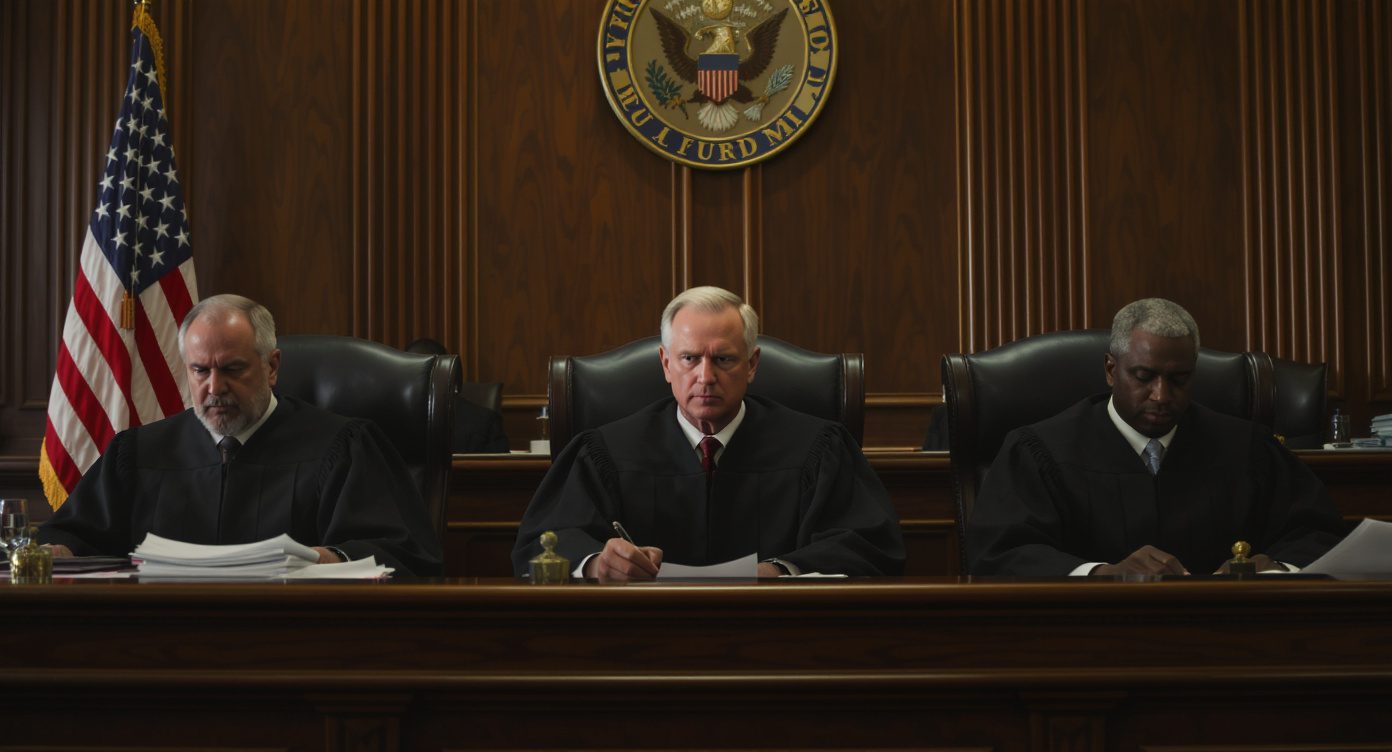
Starlink plans to introduce gigabit download speeds via its satellite network in 2026, initially available to owners of premium equipment. Broader expansion and accessibility are expected after the launch of V3 satellites.
The trade conflict between the United States and Canada, along with new tariffs, is forcing Canadian importers to seek alternative suppliers, particularly in Europe. This is leading to a long-term restructuring of logistics chains and diversification of trade flows.
Anthropic is merging the features of Claude Cowork and the standard chat into a single platform, adding new tools for working with documents and presentations. The update is being rolled out gradually and is available only to paid subscribers.
The air cargo market is facing a decline in spot rates and rising fuel costs amid geopolitical changes. However, carriers continue to invest in new routes and fleet expansion, indicating that demand remains strong.
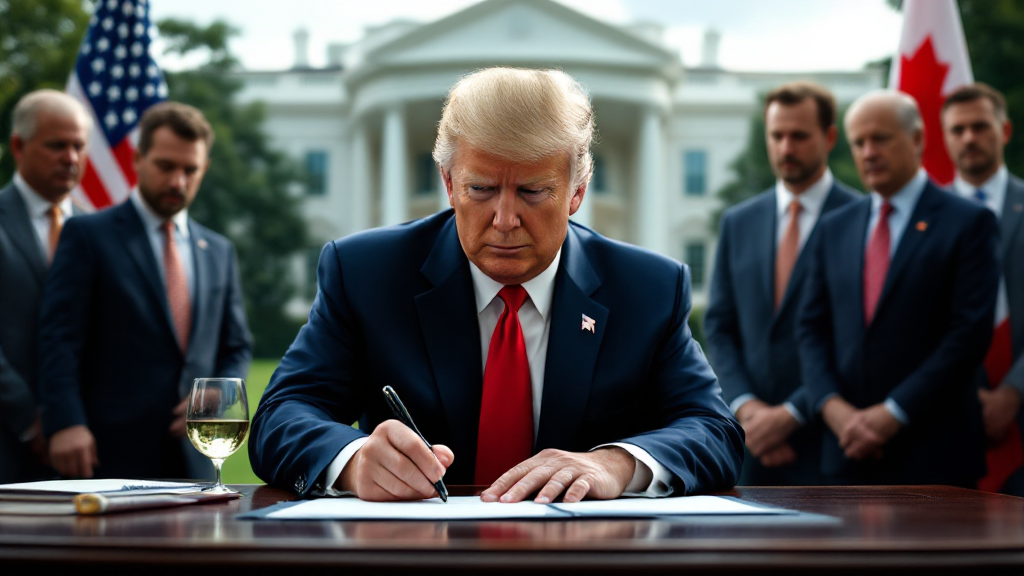
The United States is imposing new 50% tariffs on a range of Canadian goods, raising concerns about an escalation of the trade conflict and increased uncertainty in relations between the two countries. Canada is prepared for negotiations and potential retaliatory measures.
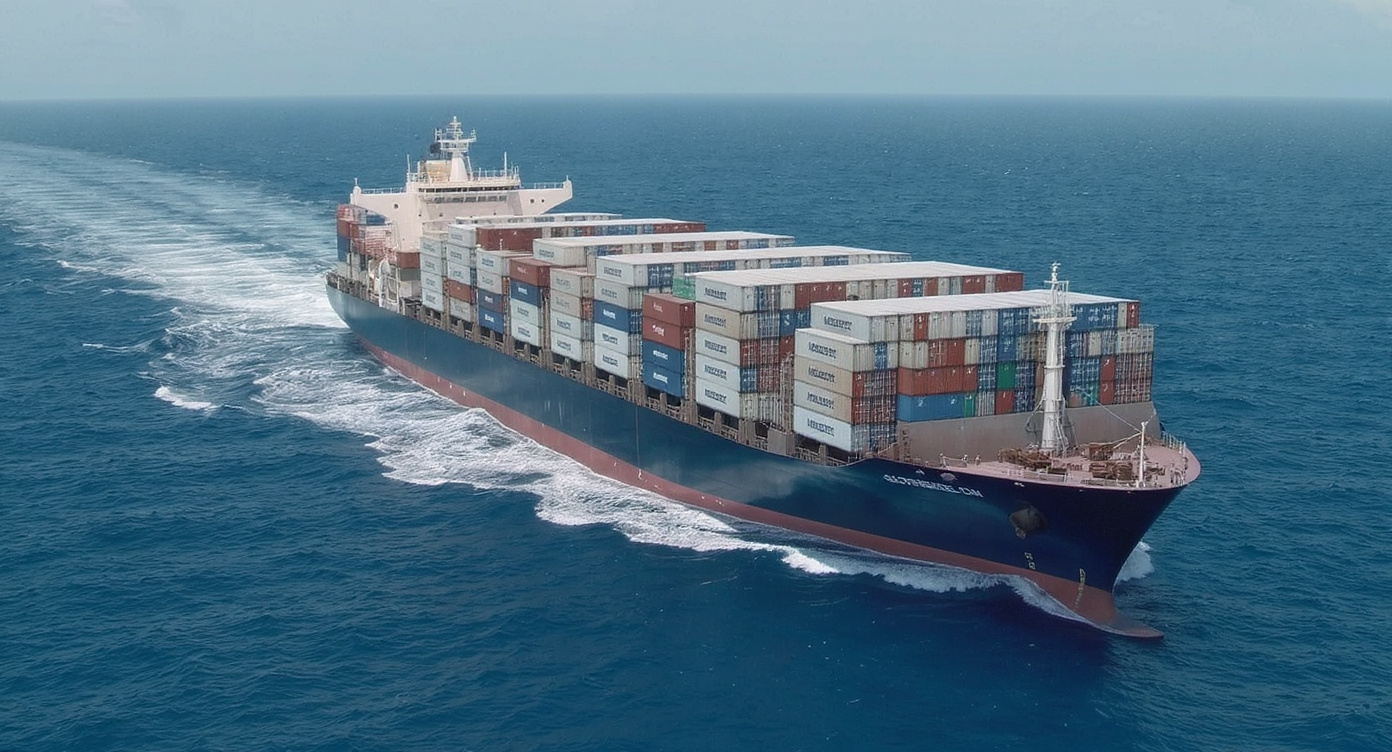
Shipping rates between South and North America have increased, despite a decline in trade volumes and stricter U.S. tariff policies toward Brazil. Exporters are seeking new markets, while carriers report improved schedule reliability.
Exports of vegetables and fruits from Bangladesh have sharply declined due to rising air freight tariffs and geopolitical conflicts, which are undermining the country's competitiveness in global markets. The authorities are considering measures to reduce costs in order to support exporters.
In July, the UK is expected to raise the cap on household energy prices by about 18% due to disruptions in gas supplies. Authorities are considering measures to support the population, but their options are limited.
In February, the EU's foreign trade surplus dropped by 60% due to a significant decline in exports to the United States, which was linked to changes in tariff policies. Exports to the US fell by more than a quarter, and there was also a decrease in shipments to China.
The United States is introducing new tariffs on patented medicines and their components, reaching up to 100% for major companies. Generics and biosimilars are currently exempt from these tariffs, and certain countries and agreements are granted special benefits. These measures are aimed at encouraging investment in the American pharmaceutical industry.
EU companies are successfully managing external tariffs and adopting artificial intelligence, but they face significant internal barriers due to differences in national regulations. Removing these obstacles could greatly boost investment activity and growth within the bloc.
President of the Federal Reserve Bank of St. Louis, Alberto Musalem, stated that the current monetary policy is balanced and aligns with the economic situation. In his opinion, replacing tariffs on an equivalent basis will not have a significant impact on the economy.
Donald Trump stated that the issue of returning revenues from canceled tariffs remains unclear and may require lengthy legal proceedings that could drag on for several years.
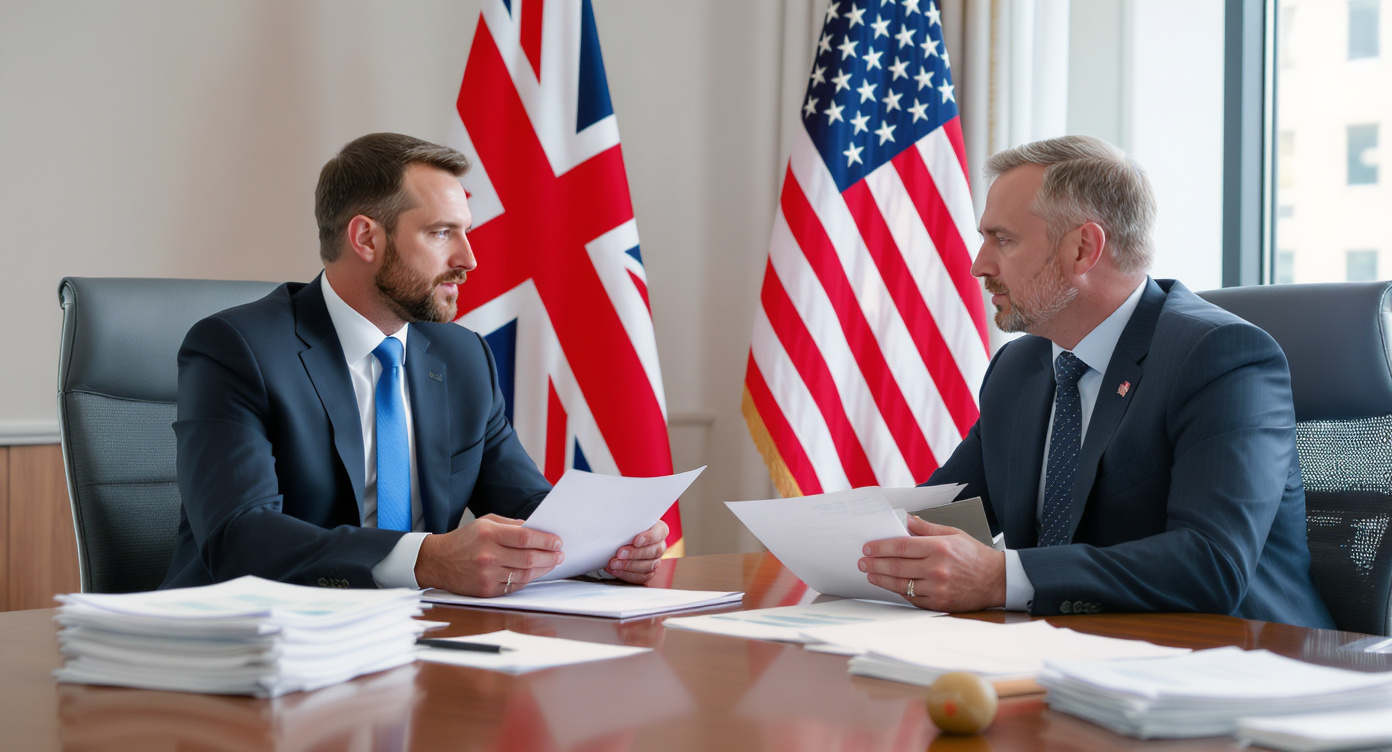
The United Kingdom expects to maintain its trade advantages with the United States following the U.S. Supreme Court's decision to lift the broad tariffs previously imposed by the Trump administration. British authorities continue to work with the U.S. to clarify the implications of the court's ruling and to support businesses.
The decision of the US Supreme Court to overturn the tariffs imposed by the Trump administration raises questions about compensation for companies and potential changes in business models and the country's economy.

 Signum