President of the Federal Reserve Bank of St. Louis, Alberto Musalem, stated that the current monetary policy is balanced and aligns with the economic situation. In his opinion, replacing tariffs on an equivalent basis will not have a significant impact on the economy.
US Treasury Secretary Scott Bessent anticipates improvements in the labor market and a possible increase in demand for workers, driven by investments in AI and the activities of staffing agencies. He also emphasized the importance of financial system stability and the positive impact of private lending on the economy.
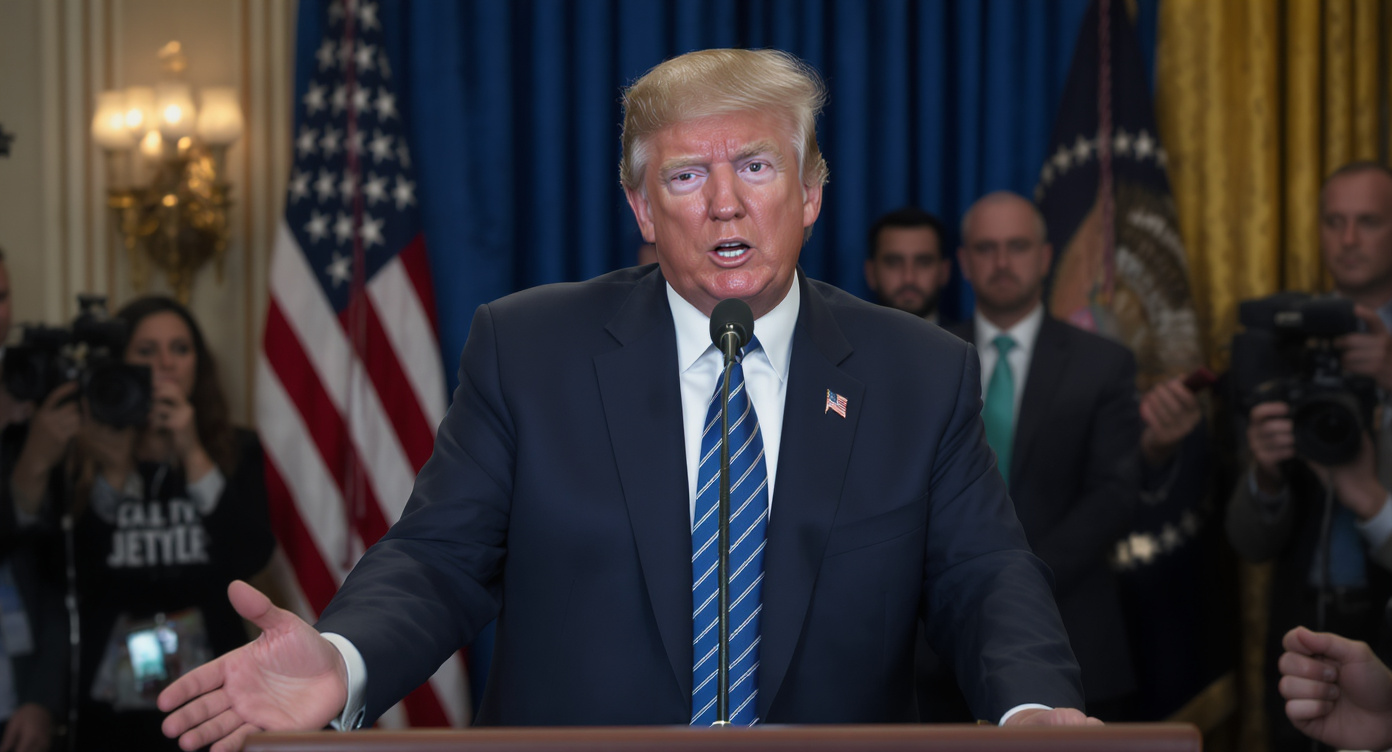
Donald Trump stated that the issue of returning revenues from canceled tariffs remains unclear and may require lengthy legal proceedings that could drag on for several years.
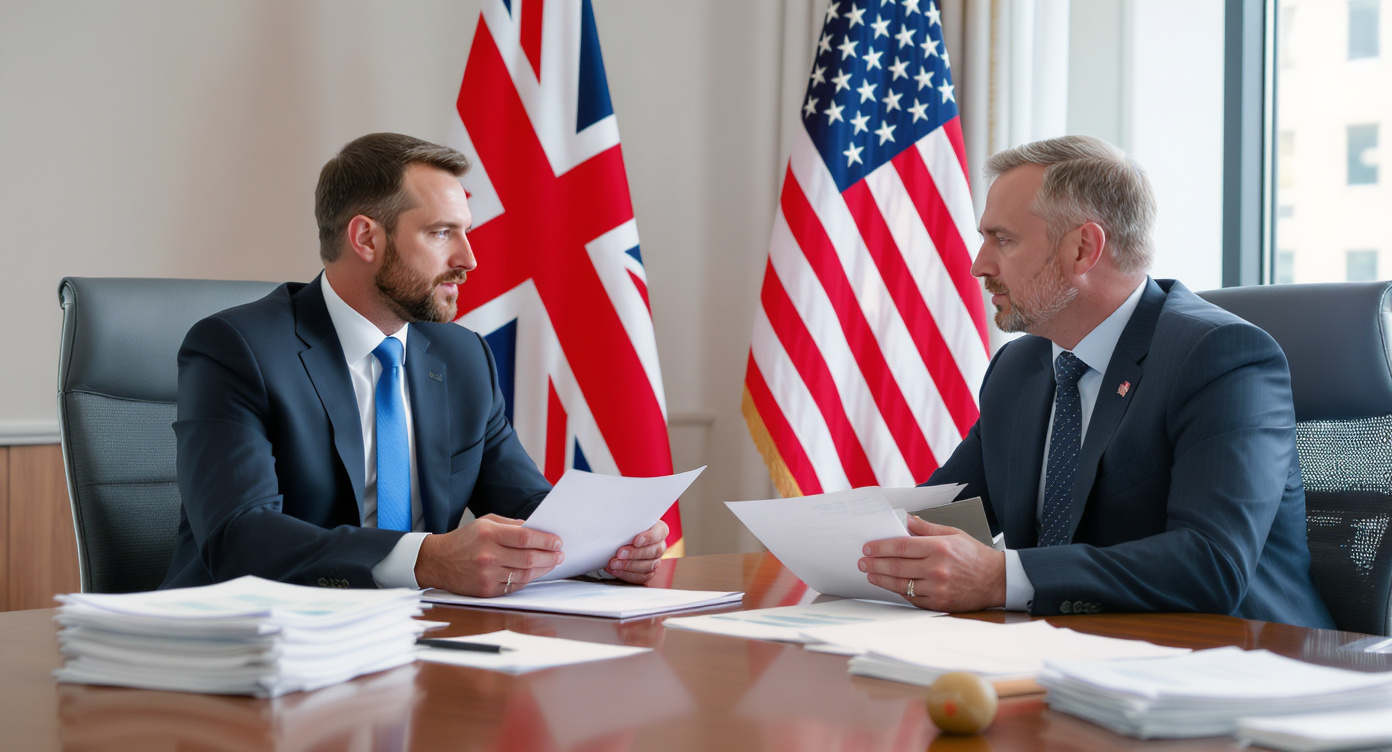
The United Kingdom expects to maintain its trade advantages with the United States following the U.S. Supreme Court's decision to lift the broad tariffs previously imposed by the Trump administration. British authorities continue to work with the U.S. to clarify the implications of the court's ruling and to support businesses.
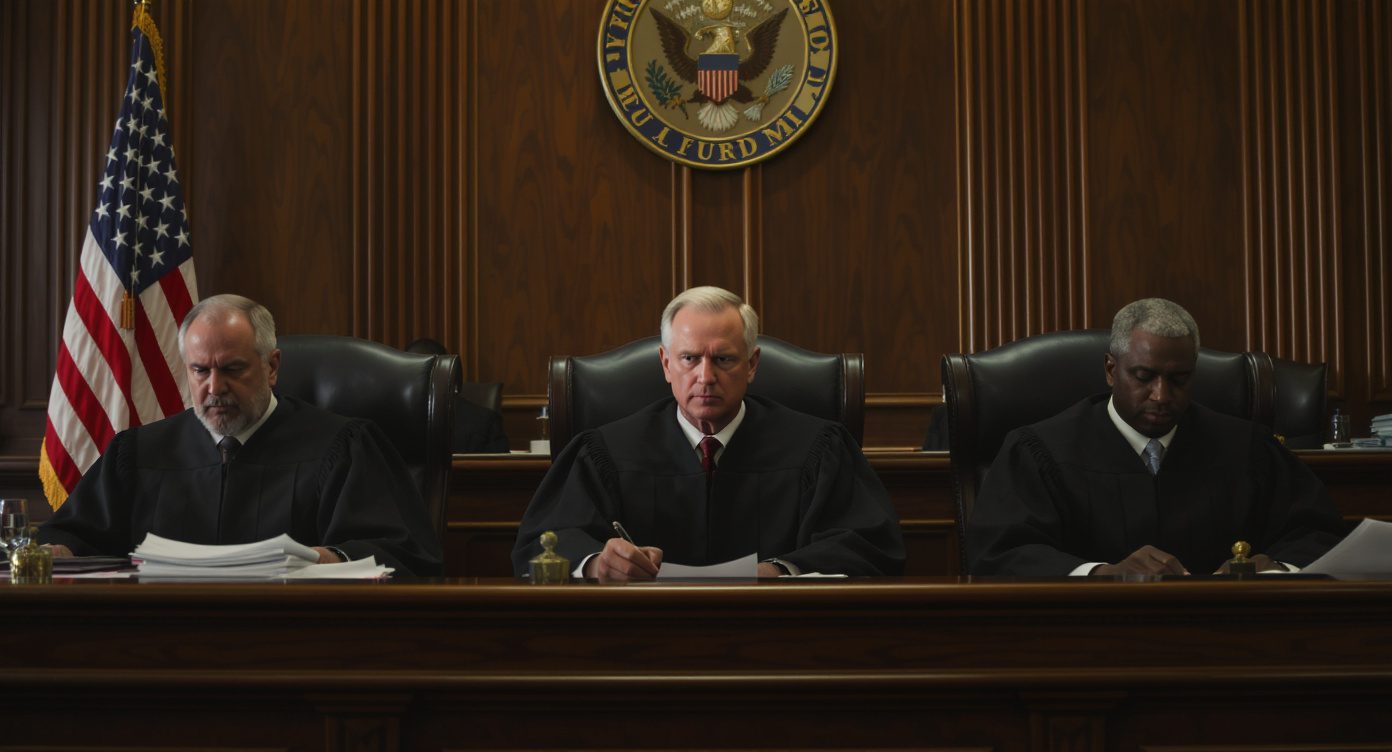
The decision of the US Supreme Court to overturn the tariffs imposed by the Trump administration raises questions about compensation for companies and potential changes in business models and the country's economy.
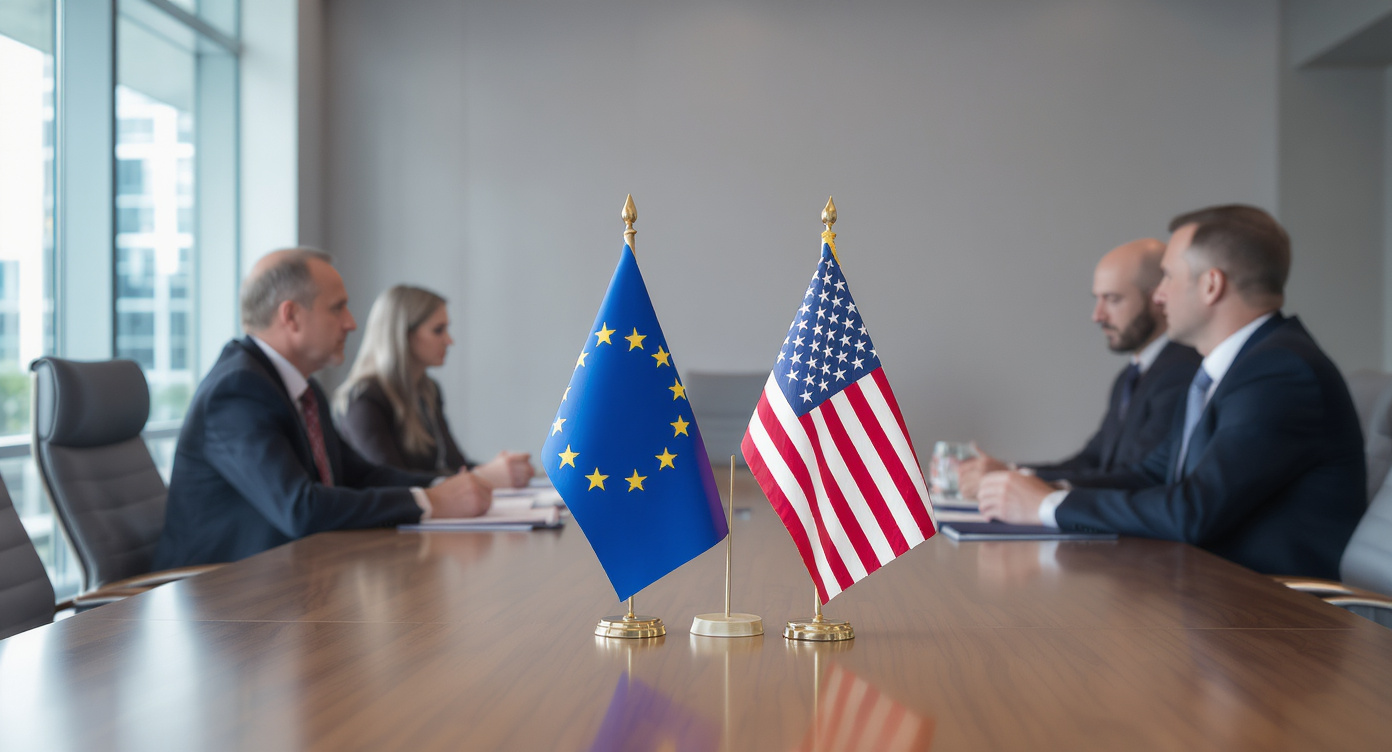
The European Union is closely studying the decision of the US Supreme Court to lift tariffs and is maintaining dialogue with Washington to clarify the next steps. The EU emphasizes the importance of stable trade relations and continues to advocate for reducing barriers.

 Ratio
Ratio